
Care-E-Well Insights
How to Wash Cloth Diapers Hygienically
Learn how to wash cloth diapers hygienically: handle stool, dose detergent, choose safe wash settings, dry fully and troubleshoot residue.
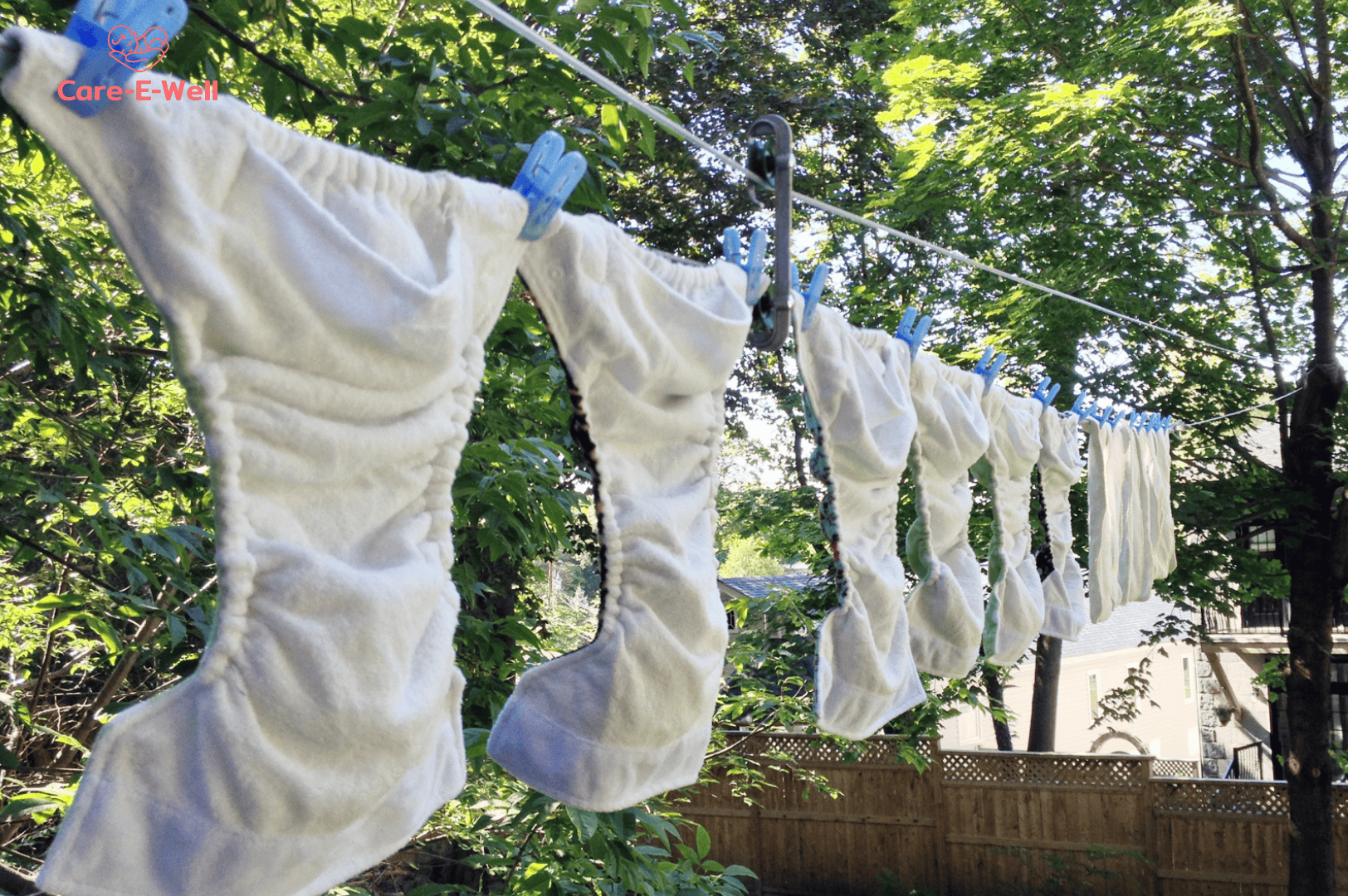
Learning how to wash cloth diapers hygienically is less about finding one perfect temperature or a complicated stripping routine and more about consistent basics: remove stool, store used diapers safely, use an effective laundry detergent at the correct dose, wash thoroughly, rinse adequately and dry completely.
Cloth-diaper fabrics, washing machines, water hardness and detergents differ, so there is no universal cycle or temperature that is correct for every system. Follow the diaper manufacturer's washing instructions, the detergent label and your washing machine guidance. If a baby has diarrhoea, a contagious illness or a medically significant skin infection, ask a healthcare professional whether additional laundry precautions are needed.
A hygienic cloth-diaper routine needs effective washing and complete drying—not perfume, excessive detergent or routine disinfectant.
What makes cloth-diaper washing different from ordinary laundry?
Cloth diapers repeatedly hold urine and stool, so the wash routine must remove organic material, odour and detergent residue while preserving absorbency and fit.
A casual quick rinse is not enough for a full load of used diapers. At the same time, more detergent, hotter water and more additives are not automatically better. Overly aggressive washing can damage elastics, waterproof layers or absorbent fibres.
The correct routine balances hygiene with the manufacturer's care limits.
What should you do with poop before washing?
Remove as much solid stool as practical before the diaper goes into the washing machine. For babies eating solid foods, this usually means disposing of stool into the toilet where local sanitation practice allows, then storing the diaper for laundering.
Very loose infant stool can be harder to remove. Follow the cloth-diaper manufacturer's instructions about rinsing or pre-washing rather than scraping or using harsh chemicals.
Wash your hands after handling stool and soiled diapers.
Do you need to rinse every wet diaper?
Not necessarily. A urine-only diaper often does not need hand-rinsing before storage when it will be washed within a reasonable period and the manufacturer does not require it.
Repeatedly soaking urine diapers in buckets adds work and creates a water hazard in homes with young children. A dry-pail or breathable storage approach is generally more practical when compatible with your diaper system.
Never leave buckets or tubs containing water where a baby or young child can access them. Home water containers can become a drowning hazard.
How should you store dirty cloth diapers before washing?
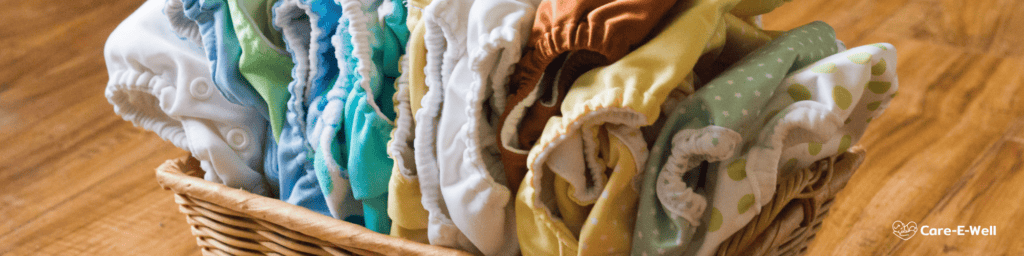
Store them in a dedicated, child-inaccessible container or wet bag that is compatible with your system. The goal is to contain contamination without creating standing water.
Avoid sealing heavily soiled diapers in a hot, completely airtight container for longer than necessary, because odour and microbial growth can increase. Wash often enough that the storage routine remains manageable.
Keep diaper storage away from food-preparation areas and wash your hands after handling the container.
Should dirty cloth diapers be soaked?
Routine soaking is not necessary for many modern cloth systems and can damage some waterproof materials or elastics. It also creates a bucket of contaminated water that must be handled safely.
If the manufacturer recommends a specific soak for a particular material or problem, follow those instructions. Otherwise, a dry storage plus proper machine-wash routine is simpler.
How often should cloth diapers be washed?
Wash frequently enough to prevent a large, difficult-to-clean accumulation and to maintain a reliable supply of clean diapers. There is no single medically required number of days that applies to every household.
Storage conditions, number of diapers, climate and washing capacity all matter. If odour becomes very strong before wash day, the routine may be leaving diapers stored too long or not cleaning them effectively.
What is a practical wash sequence?
- Remove solid stool as appropriate.
- Store used diapers safely without standing water.
- Load the washing machine without packing it so tightly that items cannot move.
- Use the detergent amount recommended for the load size, water conditions and product.
- Use the diaper manufacturer's recommended pre-wash or rinse if required.
- Run the main wash using the warmest or hottest setting allowed by the diaper materials and recommended wash method.
- Make sure detergent and visible soil are adequately removed.
- Dry the diapers completely according to the manufacturer's instructions.
- Wash hands after handling dirty laundry.
This sequence can be adapted to your machine and diaper system. The aim is effective soil removal, not copying another family's exact machine settings.
What temperature should you use?
There is no single temperature that every cloth diaper must be washed at. Cotton flats may tolerate conditions that a laminated waterproof cover or elastic component does not.
Use the highest temperature recommended for the particular diaper system when hygiene demands it, but do not exceed care instructions. If your manufacturer recommends a lower-temperature routine with a suitable detergent and wash cycle, follow that validated method.
During a specific infection or outbreak, healthcare or local public-health guidance may advise different textile handling.
Is hot water always more hygienic?
Heat can support soil and microorganism removal, but laundry hygiene also depends on detergent chemistry, wash time, mechanical action, rinsing and drying.
Excessive heat can shorten the life of waterproof layers and elastics. “Hotter is always better” is therefore too simple for reusable diapers.
What detergent should you use?
Choose a laundry detergent that is suitable for the machine, water conditions and diaper materials. The European Union requires detergents to carry ingredient information, use instructions, precautions and dosage information.
Follow the label. Under-dosing can leave soil behind, while excessive detergent can be difficult to rinse and may contribute to residue.
A baby with very sensitive skin may do better with a fragrance-free detergent, but fragrance-free does not automatically mean a product will suit every child.
Should you use fabric softener?
Many cloth-diaper manufacturers advise against conventional fabric softeners because they can coat absorbent fibres and reduce absorbency. Follow the specific diaper care instructions.
If your manufacturer permits a particular product or method, follow that guidance. Do not assume an additive is safe for all cloth systems simply because it is used on normal clothing.
Do you need bleach or disinfectant at every wash?
Routine disinfectant is not necessary for every healthy baby's diaper load when an effective wash routine is working. Unnecessary disinfectants can damage fabrics, create chemical exposure and complicate rinsing.
If a clinician advises disinfection because of a contagious infection, fungal problem or another medical reason, use an appropriate product and concentration exactly as instructed and confirm that the diaper materials tolerate it.
Never mix bleach or other cleaning chemicals unless the product instructions explicitly say the combination is safe.
Keep laundry detergents, capsules, bleaches and disinfectants locked or reliably out of children's reach. Concentrated laundry products can cause serious poisoning or eye injury.
What does EU detergent labelling tell you?
European detergent rules require consumer packaging to provide information about contents, instructions for use, special precautions where required and dosage instructions for laundry products.
ECHA also provides information on detergent content labelling under the EU Detergents Regulation. Use the product label as the primary source for dosing rather than relying on a generic online scoop measurement.
Is more detergent better for very dirty diapers?
No. More detergent does not guarantee better cleaning. Too much can create excess foam in some machines, interfere with rinsing or leave residues.
If diapers remain dirty or smelly after a correctly dosed wash, review the full process: load size, water level, cycle length, machine performance, detergent suitability and storage.
How should cloth diapers be dried?
Dry diapers completely before storing or reusing them. Persistent dampness can encourage odour and microbial growth.
Air drying can be gentle on elastics and waterproof layers. Tumble drying may be permitted for some components at specified temperatures. Follow the diaper manufacturer's instructions because high heat can damage some covers.
Make sure thick inserts are dry all the way through, not only on the surface.
How can you protect the baby's skin?
- use clean, fully dry diapers
- make sure detergent is correctly dosed
- avoid heavily fragranced additives when skin is sensitive
- change stool promptly
- change very wet diapers according to the baby's needs
- check fit and friction
- use a simple barrier product when skin needs protection
- reassess the wash routine if irritation appears after a laundry change
Persistent diaper rash should not automatically be blamed on detergent. Moisture, stool, friction, infection and other skin conditions can also contribute.

What if the baby has diarrhoea?
During diarrhoea, cloth diapers may be heavily soiled and need prompt handling. Remove stool as safely as possible, wash hands carefully and wash diapers thoroughly.
The baby's hydration is more important than the laundry problem.
Seek prompt medical advice for repeated watery diarrhoea with markedly fewer wet diapers, poor feeding or drinking, repeated vomiting, blood in stool, unusual sleepiness or a baby who looks unwell.
What if the baby has a yeast diaper rash?
Do not automatically disinfect the entire cloth supply with aggressive chemicals. A confirmed fungal rash should be treated according to professional advice, and the clinician may recommend specific laundering measures to reduce reinfection.
Follow those instructions together with the diaper manufacturer's material limits. Different disinfectants and heat levels are not interchangeable.
When should you strip cloth diapers?
“Stripping” is a broad term used online for intensive treatments intended to remove mineral, detergent or other buildup. It is not a routine hygiene requirement.
Before using acids, bleach, very hot cycles or other aggressive methods, check the manufacturer guidance. Often the underlying problem is simpler: wrong detergent dose, inadequate wash action, hard-water management or accumulated fabric softener.
How can you keep laundry products safe from children?
- store detergent in its original container
- close the package immediately after dosing
- keep capsules and liquids locked or high and out of sight
- never let a child handle laundry pods
- wipe spills promptly
- keep products away from food
- follow hazard and precaution labels
EU rules include specific packaging and labelling requirements for detergents, including additional child-safety measures for soluble liquid laundry capsules.
If a child swallows detergent, bites a laundry capsule or gets concentrated detergent in the eyes, contact emergency or poison services according to local guidance rather than inducing vomiting or trying a home remedy.
A simple troubleshooting checklist
- strong odour before washing: review storage and wash frequency
- visible stool after washing: review pre-cleaning, load and main wash
- detergent smell or slippery fabric: review dosing and rinsing
- recurring leaks: check absorbency and fit, not only washing
- sudden rash after detergent change: simplify products and review dose
- damaged elastics or delamination: check temperature and dryer settings
- persistent contamination during illness: seek health-specific laundering advice
Frequently asked questions
Do cloth diapers need to be boiled?
No. Boiling can damage modern diaper materials and is not a routine requirement. Follow the manufacturer's wash instructions.
Must every cloth diaper wash be 60°C?
No universal temperature applies to every system. Use the temperature and wash method recommended for the materials, detergent and hygiene situation.
Can I use normal laundry detergent?
Often yes, if it is compatible with the diaper materials and washing machine and is dosed correctly. Check the diaper manufacturer's guidance.
Should clean cloth diapers smell like detergent?
They should smell clean without strong residual fragrance or ammonia. A persistent chemical smell can be a reason to review dosing and rinsing.
Do I need disinfectant after every poop?
No. Effective washing is normally the foundation. Use additional disinfection only when specifically indicated and compatible with the diaper system.
The key takeaway
How to wash cloth diapers hygienically comes down to an effective, repeatable laundry process. Remove stool, store diapers safely without standing water, use a suitable detergent at the labelled dose, wash with enough time and mechanical action, respect the diaper's temperature limits, rinse adequately and dry completely. Avoid routine soaking, excessive additives and aggressive “stripping” unless there is a defined problem. During contagious illness or a medically significant rash, ask for condition-specific laundering advice.
Sources and References
- European Commission — Marketing requirements for detergents
- European Chemicals Agency — Detergents Regulation – Content Labelling
- European Commission — Chemicals legislation: detergents and laundry capsule safety measures
- European Commission — EU Ecolabel – Cleaning and laundry detergents
- European Commission — EU Ecolabel – Home Laundry Detergents User Manual
- World Health Organization — Keeping newborns and children under 5 years clean and safe
- World Health Organization — Essential newborn care
- World Health Organization — Caring for a newborn
- World Health Organization — Diarrhoeal disease
- UNICEF Parenting — Newborn health warning signs
Did this Insight help?
A little love for something worth reading.


