
Care-E-Well Insights
How to Prevent Diaper Pail Smells
Prevent diaper pail smells with better emptying, cleaning and drying habits, plus safe ways to handle stool diapers and cleaning products.
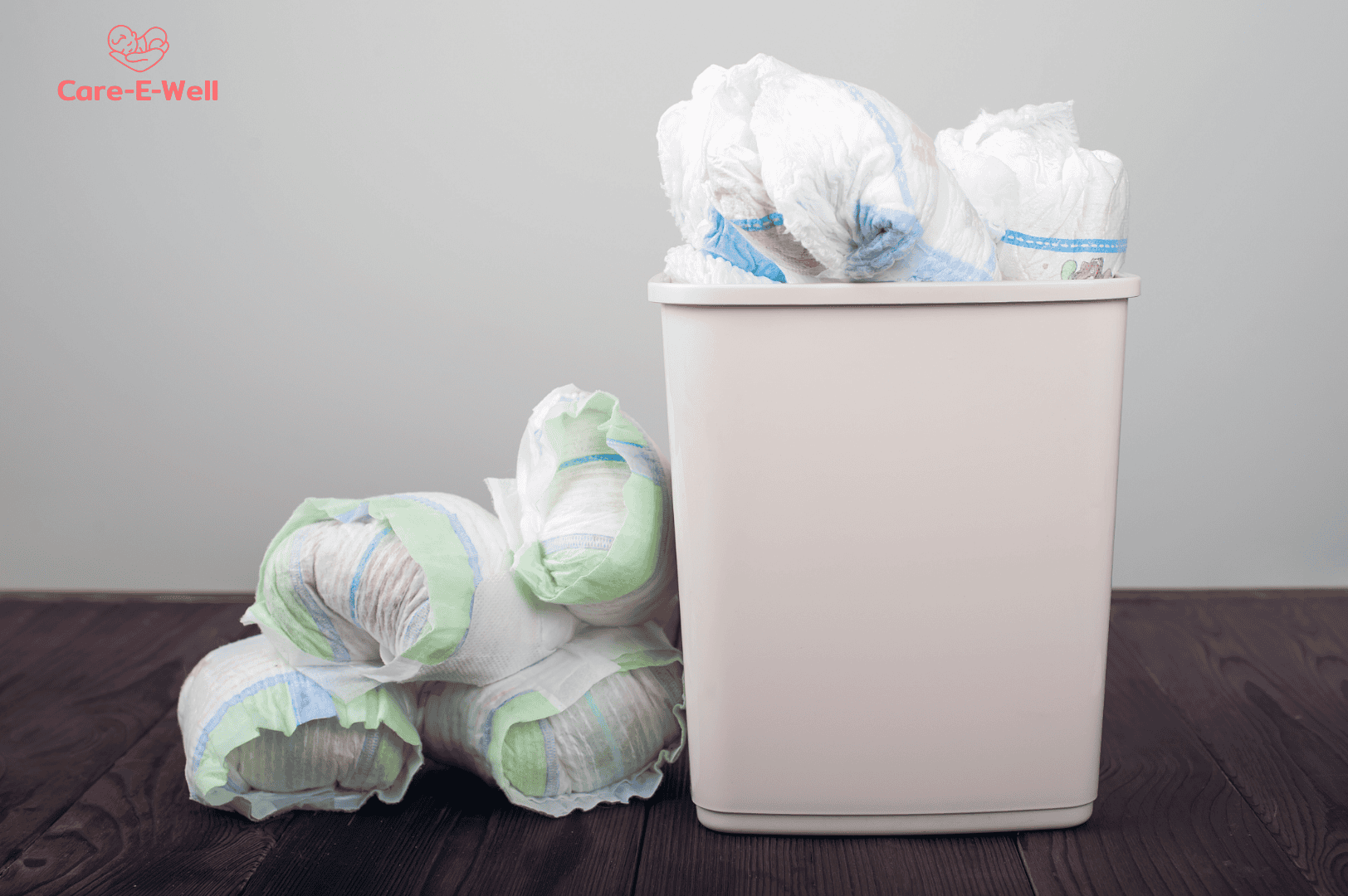
Learning how to prevent diaper pail smells starts with a simple idea: remove the sources of odour instead of trying to cover them with perfume. Urine, stool, moisture and residue left inside the pail all create smells, especially when diapers sit in a warm, closed container for several days.
The most effective routine is usually uncomplicated: close soiled diapers securely, empty the pail before odour becomes intense, clean contamination from the container, let the pail dry fully and keep the whole system safely out of children's reach. Strong fragrances, essential oils and aggressive disinfectants are not necessary for everyday odour control.
A diaper pail should control waste, not perfume the room. Frequent emptying, a clean dry container and secure storage usually matter more than scented products.
Why do diaper pails smell so quickly?
Used diapers contain moisture and organic material. Stool has a strong natural odour, while urine can develop an increasingly sharp smell as it sits. Warmth and humidity make odours more noticeable, and small amounts of residue on the lid, seal or inner walls can keep smelling even after the bag has been removed.
A pail can therefore smell for two different reasons: the current bag is full of used diapers, or the container itself needs cleaning. If a fresh liner goes into a pail that still has stool or urine residue around the rim, the odour can return immediately.
Odour also depends on the baby's age, diet, stool frequency, diaper type, room temperature and how long waste remains in the container. There is no universal number of hours or diapers after which every pail must be emptied.
What is the simplest way to prevent diaper pail smells?
- Close each used diaper securely before putting it in the pail.
- Remove obvious stool contamination from the outside of the diaper before disposal.
- Use a liner or bag that fits the pail properly.
- Empty the pail before it becomes tightly packed.
- Wipe away any urine or stool residue from the lid, rim and inner surfaces.
- Wash the container according to the manufacturer's instructions when needed.
- Allow it to dry completely before adding a new liner.
- Wash your hands after handling used diapers and waste.
WHO community hand-hygiene guidance identifies handling faeces as an important time for handwashing. Diaper disposal is therefore part of hygiene, not only odour control.
Should you empty the diaper pail every day?
Not necessarily. A lightly used pail may not need daily emptying, while a small pail containing several stool diapers may become unpleasant much sooner. Emptying frequency should respond to the amount and type of waste, room temperature and how well the system contains odour.
Do not wait until the bag is so compressed that you have to push diapers down by hand. Overfilling increases the chance of leaks, contamination around the lid and contact with soiled surfaces.
During diarrhoea, illness or unusually frequent stooling, more frequent emptying is sensible because there is more faecal material to contain and more opportunity for contamination.
Should poop diapers be handled differently?
Stool is usually the strongest source of diaper-pail odour. Close the diaper around the stool as securely as the design allows before placing it in the waste bag. Follow your local waste and sanitation rules for disposal.
WHO guidance for cholera prevention specifically advises putting dirty diapers in plastic bags before throwing them away and washing hands after changing a child's diaper. That advice is particularly relevant during infectious diarrhoeal illness or outbreaks.
If stool has leaked onto the outside of the diaper or the pail, clean the contaminated surface rather than relying on fragrance to mask the smell.

Do urine-only diapers need individual bags?
Usually not for routine home use if the pail already has an effective liner and lid. Adding a separate plastic bag around every urine-only diaper creates more waste and may offer little additional benefit.
If the pail is in a very warm room, emptied infrequently or has poor odour containment, changing the storage setup may help more than individually wrapping every diaper.
Does a special diaper pail work better than a normal bin?
A purpose-built diaper pail can be convenient because many designs use a tight lid, internal seal or bag system that reduces the amount of odour released when the container is closed. But a standard lidded waste bin can also work if it is easy to clean, stable and kept inaccessible to children.
No pail can eliminate odour indefinitely. A sophisticated seal does not replace emptying and cleaning, and it may hide the fact that waste has been stored for too long.
Where should you keep the diaper pail?
Place it where diaper disposal is easy but child access is difficult. The pail should not become a climbing aid, toy or source of access to plastic liners and soiled waste.
- keep it away from the baby's cot and play area
- do not place it where a toddler can open the lid easily
- keep spare bags and cleaning products out of reach
- avoid blocking ventilation, doors or walkways
- keep it away from food-preparation surfaces
- choose a stable position where it cannot tip easily
WHO advises storing unsafe and toxic substances out of children's reach and maintaining clean household environments. The same practical principle applies to cleaning products kept near a changing station.
How should you clean a diaper pail?
Start by checking the manufacturer's cleaning instructions because pail materials, seals and odour-control components differ. For a basic washable container, remove the liner, wipe away visible contamination, wash the surfaces with water and an appropriate household cleaning product, rinse if the product requires it and let everything dry fully.
Pay particular attention to the underside of the lid, hinges, pedal area, rim and any groove where liquid can collect. These areas are easy to miss and can be the true source of persistent odour.
Wear gloves if you prefer when cleaning visible stool contamination, but gloves do not replace handwashing. Wash your hands after cleaning and after handling the waste bag.
How often should you wash the pail?
There is no evidence-based universal schedule. Clean it whenever there is visible contamination, leakage or persistent smell after the bag has been removed. A quick inspection when changing the liner is usually enough to notice whether the container itself needs attention.
If you repeatedly need heavy cleaning because bags leak, the problem may be the liner fit, overfilling or the pail design rather than the cleaning frequency.
Should you use bleach or disinfectant every time?
No. Routine disinfection is not necessary for every diaper-pail clean in a healthy household. Visible dirt needs to be removed effectively; a normal household cleaner used according to its label is often sufficient.
Stronger disinfectants may be appropriate in specific circumstances, such as certain infectious illnesses, but the correct product and method depend on the situation. Follow local public-health or healthcare advice rather than creating a stronger homemade mixture.
Never mix bleach with other household cleaners. Keep detergents, disinfectants and concentrated cleaning products locked or reliably out of children's reach and follow the label instructions.
Can scented bin liners solve the problem?
They may make the pail smell more perfumed, but they do not remove stool, urine or bacterial residue. If fragrance is strong enough to dominate the room, it can also make it harder to tell whether the pail itself needs cleaning.
Families who prefer fragranced bags can use them if they tolerate the scent, but fragrance should be treated as optional rather than as hygiene.
What about baking soda?
Some families use a small amount of baking soda as an odour absorber. It is not necessary for a hygienic pail, and loose powder should never be placed where a baby or toddler can access, spill or inhale it.
If you use any deodorising product, follow the pail manufacturer's instructions and keep the product completely inaccessible to children. Do not sprinkle powders directly onto open soiled diapers where they can become airborne during disposal.
Should you use essential oils in a diaper pail?
They are unnecessary. Essential oils can be concentrated chemical mixtures, and "natural" does not mean harmless around babies or safe to ingest. A pail that smells strongly enough to require repeated essential oil masking usually needs emptying or cleaning.
Avoid dripping oils onto liners, wipes or cotton pads that a child could reach. Simple odour control is safer and easier to troubleshoot.
Why does an empty pail still smell?
Residue is the usual reason. Check the lid seal, inner rim, bottom, pedal mechanism and any removable cassette. A small amount of leaked stool or urine can produce a disproportionate smell.
Another possibility is that the plastic has absorbed odour over time. Thorough washing and complete drying may help. If a clean pail continues to smell strongly despite appropriate care, replacement may be more practical than repeated chemical deodorising.
Does ventilation help?
Good room ventilation can reduce lingering household odours, but opening a diaper pail itself to "air it out" while it contains waste defeats the purpose of an enclosed bin.
Ventilate the room normally and keep the pail closed between uses. After washing an empty pail, allow it to dry open in a secure place before inserting a fresh liner.

What about cloth-diaper storage?
Reusable diapers need a different system because they will be washed rather than discarded. Many modern cloth systems use a dry pail or breathable wet bag rather than standing water. Follow the diaper manufacturer's storage and wash instructions.
Avoid soaking dirty diapers in an open bucket of water. Standing water creates both hygiene problems and a drowning hazard for young children.
Can diaper pail smell tell you something about your baby's health?
The pail itself is a poor health monitor because odour becomes concentrated after waste sits for hours. A strong smell from stored urine or stool does not automatically mean something is wrong with the baby.
Pay attention instead to fresh diapers and the baby. New persistent changes in urine or stool together with fever, vomiting, diarrhoea, blood, markedly fewer wet diapers, poor feeding, pain or an unwell appearance deserve medical advice.
Seek prompt medical advice if a baby has repeated watery diarrhoea with reduced urine, blood in the stool, repeated vomiting, poor feeding or drinking, unusual sleepiness, fever or a generally unwell appearance.
How do you reduce smell during overnight changes?
If you do not want to walk to the main household bin overnight, a small securely closed diaper pail near the changing area can be practical. Empty it in the morning if stool diapers have accumulated or odour is escaping.
Keep the pail away from the baby's sleep space and make sure plastic bags, liners and deodorising products cannot be reached from the cot or floor.
A practical low-odour routine
- close diapers securely
- do not overfill the pail
- empty it sooner after several stool diapers
- clean visible contamination immediately
- wash the lid and rim when odour remains after emptying
- dry the container completely
- keep the pail and spare liners inaccessible to children
- wash hands after handling diaper waste
- use fragrance only as an optional preference, not as hygiene
Most persistent odour problems improve when one of these basics changes. You rarely need a complicated deodorising system.
Frequently asked questions
Why does my diaper pail smell like ammonia?
Stored urine can develop a sharp ammonia-like odour over time. Empty the pail sooner, check for leaks or residue and clean the container. Fresh unusually strong-smelling urine with other symptoms is a separate health question.
Should I wash the pail after every bag?
Not automatically. Inspect it when changing the liner and wash when there is leakage, visible contamination or persistent odour.
Can I spray air freshener into the pail?
It is unnecessary and may only mask the source. Clean and dry the pail first. Keep all sprays out of children's reach.
Is it okay to keep a diaper pail in the nursery?
Yes, if it is securely closed, stable, away from the cot and inaccessible to the child. Empty and clean it as needed.
Are diaper-pail deodoriser cartridges essential?
No. They can be convenient, but frequent emptying and a clean dry container are the foundation of odour control.
The key takeaway
How to prevent diaper pail smells is mostly about waste management, not fragrance. Close diapers, avoid overfilling, empty the pail according to use, remove contamination, wash the container when needed and let it dry completely. Keep the pail, liners and cleaning products safely away from children. If the smell comes from fresh stool or urine together with symptoms of illness, assess the baby rather than the bin.
Sources and References
- World Health Organization — Guidelines on hand hygiene in community settings
- World Health Organization — Keeping newborns and children under 5 years clean and safe
- World Health Organization — Washing hands
- World Health Organization — Cholera outbreaks: questions and answers
- World Health Organization — Caring for a newborn
- World Health Organization — Essential newborn care
- European Chemicals Agency — Why the UFI matters for everybody
- European Commission — Chemicals legislation
- UNICEF Parenting — Newborn health warning signs
Did this Insight help?
A little love for something worth reading.


