
Care-E-Well Insights
Bathroom Safety for Babies and Toddlers
Bathroom safety for babies and toddlers: safer baths, water, taps, toilets, medicines, chemicals, razors and electrical items.
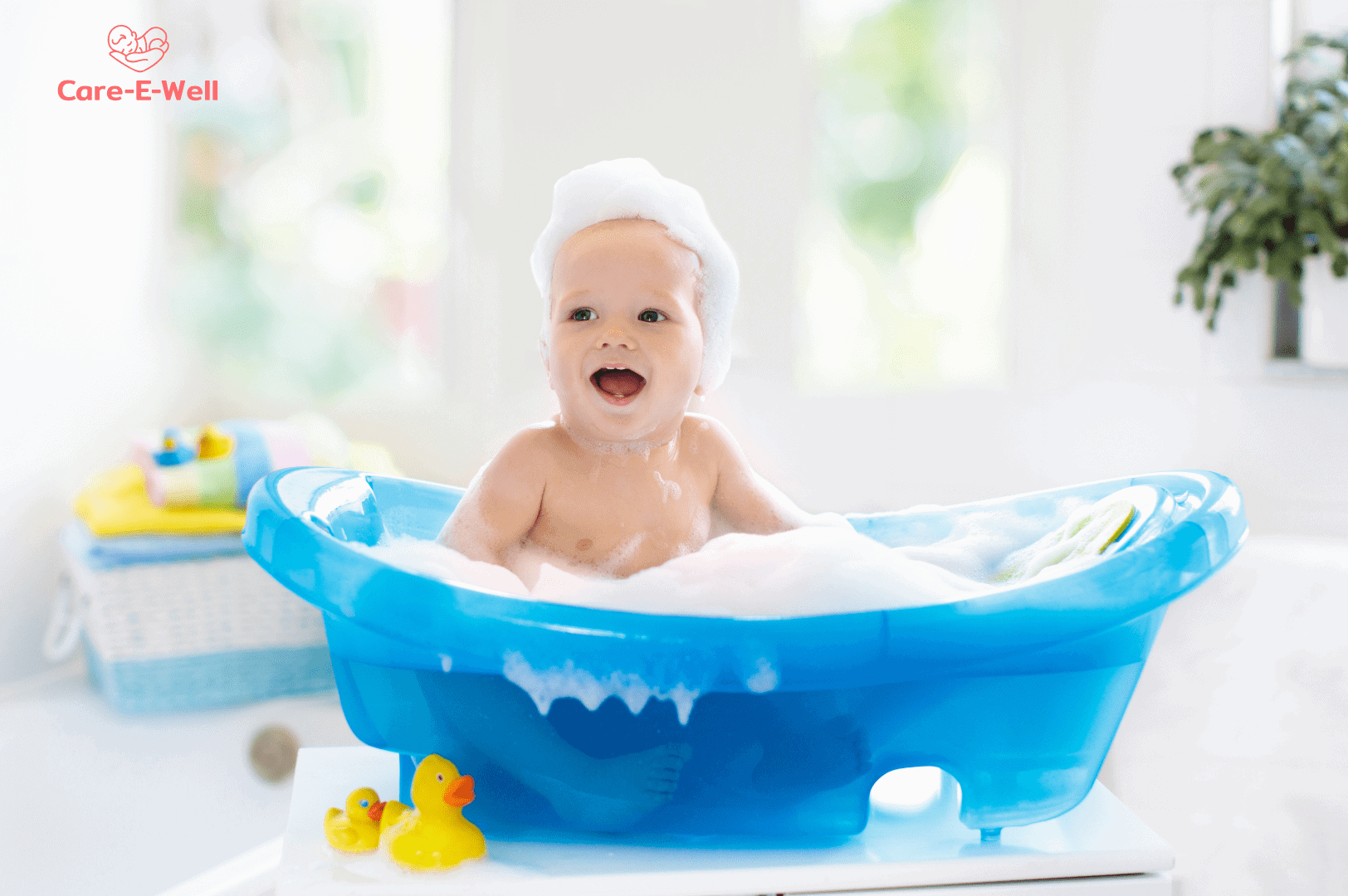
Bathroom safety for babies and toddlers starts with one non-negotiable principle: a young child should never be left alone in or around bath water. The bathroom combines water, slippery surfaces, hot taps, medicines, cleaning chemicals, electrical appliances, sharp grooming tools and climbable fixtures in a small space, so several hazards can become accessible at once.
The safest setup reduces reliance on perfect supervision. Empty baths and buckets after use, keep the bathroom inaccessible when no adult is present, store medicines and chemicals behind secure barriers, control hot water, keep electrical items away from water and remove sharp or small objects from a child’s reach.
Never leave a baby or toddler alone in the bath, even briefly. If you must leave the bathroom, take the child with you rather than relying on a bath seat, an older sibling or the idea that the water is shallow.
Why does bathroom safety need more than bath supervision?
Bathing is the most obvious risk period, but the room remains hazardous after the water has drained. A mobile toddler may return to investigate a toilet, open a cupboard, climb on a stool, reach a razor or turn a tap.
Research on home injuries repeatedly identifies falls, burns, drowning and poisoning as important mechanisms in young children. A safer bathroom therefore needs both active supervision and environmental controls that remain in place between baths.
Think of the bathroom as a controlled-access room. Supervision protects the child during bathing; secure storage and physical barriers protect them during the rest of the day.
Why can a bathtub become dangerous so quickly?
Infants and toddlers have limited balance, coordination and ability to recover if they slip or become submerged. They may not call out or struggle in an obvious way. Drowning-prevention guidance therefore emphasizes close, attentive adult supervision around bath water.
Bath seats and similar products do not replace an adult. A child can shift position, slip, climb or become unstable despite equipment intended to support bathing.
Prepare everything you need before the bath begins so towels, soap, clean clothes and nappies are within adult reach. This reduces the temptation to step away for “just a few seconds.”
What should you do before putting a child in the bath?
- Gather towels, washing products, clothing and any bathing equipment first.
- Keep medicines, razors, cosmetics and electrical devices out of reach.
- Prepare and mix the bath water before the child enters.
- Check that the water feels comfortably warm rather than hot.
- Move the child away from direct access to tap controls when practical.
- Place your phone aside unless it is needed for an emergency.
- Stay close enough to maintain hands-on help when the child’s development requires it.
If something outside the bathroom needs your attention, end or pause the bath and take the child with you.
Should bath water be left in the tub after bathing?
No. Drain the bath promptly after use. Leaving water standing creates an unnecessary access hazard if a toddler returns to the room.
Apply the same principle to buckets, basins and other open containers that can hold water. Empty them and store them where the child cannot access them independently.
Keep the bathroom door or another suitable access barrier managed so a young child cannot quietly enter and investigate water containers without an adult.

Is a bath seat a safety device against drowning?
It should never be treated as one. Equipment can support positioning or convenience, but it cannot provide supervision or guarantee that a child’s face stays above water.
Stay within immediate reach and focus on the child. If a product’s instructions require a specific developmental stage or use condition, follow them carefully.
How can you reduce slips and falls in the bathroom?
Wet floors, bath edges and unstable stools create fall risks for both children and adults carrying children. Keep the floor as dry and uncluttered as practical and use stable, purpose-appropriate equipment.
- wipe significant water spills promptly
- avoid loose mats that slide or curl
- keep step stools stable and use them only when developmentally appropriate
- do not let children climb on toilet lids, bath edges or cabinets
- keep toys from spreading across the walking area
- use suitable nonslip measures in the bath if needed
- keep changing or dressing activities off unstable raised surfaces
A parent who slips while holding a wet child can also be injured. Plan where you will place the child safely after lifting them from the bath.
What should parents know about toilet-related injuries?
Toilets create several less obvious hazards. Young children can fall while climbing, pinch fingers or genital tissue under a falling toilet seat, or explore the bowl and surrounding products.
Pediatric injury research has documented toilet-seat and toilet-related genital injuries, particularly in boys. A slow-closing seat may reduce sudden slamming, but adult supervision and teaching still matter during toilet learning.
Keep toilet-cleaning products inaccessible and avoid storing small deodorizer blocks or chemical items where a child can pick them up.
Should the toilet lid always be locked?
Some families use a toilet lock as an additional barrier, especially with very young mobile children. Whether it is needed depends on the child, bathroom layout and whether the room itself can be reliably inaccessible.
A device is useful only if adults close it consistently and it does not create another problem for household members who need access. Physical room access control can sometimes be simpler.
How should medicines be stored in the bathroom?
A bathroom medicine cabinet is safe only if the child truly cannot access it. Medicines should be kept in original labelled packaging where possible, with child-resistant closures fully engaged, and behind a locked or reliably inaccessible barrier.
Do not leave tablets, vitamins, ointments or dosing syringes on the sink or beside the bath after use. Visitors’ toiletry bags may also contain medicines and should be placed out of reach.
Humidity and heat can affect some medicines, so also follow the storage conditions on the label or from the pharmacist. If a medicine should not be stored in the bathroom, choose another secure location.
Where should cleaning products be kept?
Toilet cleaners, bleach, descalers, drain products, disinfectants and other chemicals belong in original labelled containers and behind a strong child-access barrier. A low under-sink cupboard is not safe simply because the bottle has a cap.
Do not decant chemicals into drink bottles or unlabelled containers. Never leave an open cleaning product on the floor, bath edge or toilet lid while stepping away.
If you are actively cleaning, keep the child outside the work area until products are closed, stored and surfaces are safe according to label instructions.
What about cosmetics and personal-care products?
Cosmetics can be overlooked because adults use them every day. Perfumes, nail products, hair products, mouthwash, skin treatments and similar items may contain ingredients that are harmful if swallowed or splashed into the eyes.
Store them out of reach rather than assuming an unattractive taste will stop a toddler. Small caps and applicators can also become choking hazards.
How should razors, scissors and grooming tools be stored?
Keep razors, nail scissors, tweezers, hair-removal tools and other sharp items in a locked or reliably inaccessible drawer or cabinet. Do not leave a razor on the bath edge after shaving.
Electric grooming tools may add battery, cord or electrical hazards. Store the whole device safely, not only the sharp attachment.
How can you manage electrical appliances safely?
Hairdryers, straighteners, shavers, electric toothbrush chargers and other powered devices should be kept away from bath water and sinks and used according to manufacturer instructions. Unplug and store items when they are not in use where appropriate.
Do not run extension leads into the bathroom for convenience. Electrical installation and outlet protection should meet local regulations, and damaged cords or appliances should be removed from use.
If an electrical appliance falls into water or there is any electrical incident, do not put yourself at risk trying to retrieve it while power may still be live. Keep the child away and follow emergency electrical-safety procedures.
Why are hair-styling tools a burn hazard even when switched off?
Straighteners, curling irons and similar tools can remain hot while cooling. A toddler may grab a cord and pull the hot device down or touch the heated surface after an adult believes the task is finished.
Place hot tools on a stable, heat-safe surface outside the child’s reach until they are fully cool, then store them securely. Keep cords from hanging over counters.
How can you reduce scald risk from bath water?
Prepare the bath before the child enters, mix the water thoroughly and check it first. Do not add hot water while the child is sitting in the bath, because a very hot zone can form before the water mixes.
Prevent independent access to hot tap controls. If the hot-water system produces excessively hot water at accessible outlets, seek qualified advice about appropriate temperature-limiting measures rather than altering the system blindly.
Scald prevention is a separate safety layer from drowning prevention; water can be a safe temperature and still present a drowning risk.

Should the bathroom door have a lock?
A lock that prevents toddler access can be useful, but adults must also be able to enter quickly in an emergency. Avoid creating a system that allows a child to lock themselves inside while caregivers cannot open the door.
Consider the whole household, including older children, visitors and accessibility needs. The goal is controlled access, not simply adding the most complicated lock available.
What should you check at a grandparent’s home or hotel?
Bathrooms without resident toddlers often contain low-access medicines, razors, cleaning products and appliances. Do a brief scan before the child explores.
- move medicines and cosmetics out of reach
- secure razors and sharp tools
- check the bath and shower for slip hazards
- identify how the hot and cold taps work
- move hairdryers and styling tools
- empty buckets or basins
- check whether the bathroom door can trap or lock a child inside
- keep toilet cleaners and chemicals inaccessible
A two-minute setup before the first bath can remove hazards that would otherwise be easy to miss.
What if a child swallows or splashes a bathroom product?
Contact your regional poison service or urgent medical service promptly after a suspected ingestion of medicine, cleaning chemical or potentially harmful personal-care product. Call emergency services for breathing difficulty, seizure, collapse, severe drowsiness or other serious symptoms. Do not induce vomiting unless a medical professional specifically instructs you to do so.
For chemical exposure to the eye, begin prompt rinsing with plenty of clean lukewarm water and seek product-specific poison or medical advice. Keep the original packaging available so professionals can identify the substance.
Frequently asked questions
Can I leave a toddler in the bath while I grab a towel from the next room?
No. Take the child with you or keep all supplies in the bathroom before bathing begins. Bath supervision should not be interrupted.
Does a bath seat make it safe to step away?
No. A bath seat does not replace close adult supervision and should never be treated as a drowning-prevention device.
Is a locked medicine cabinet enough for the whole bathroom?
It protects medicines only if it is genuinely inaccessible. Cleaning chemicals, razors, electrical items, cosmetics and water hazards still need their own controls.
Are toilet locks essential for every family?
Not necessarily. They are one possible layer. Reliable bathroom access control, supervision and removal of chemicals may address the same risks depending on the home.
When should bathroom babyproofing be updated?
Reassess when the child starts crawling, pulling to stand, climbing, turning taps, opening latches or beginning toilet learning. Each new skill changes what is accessible.
The key takeaway
Bathroom safety for babies and toddlers is built around uninterrupted bath supervision plus a room that remains safe when bathing is over. Drain water promptly, control access to the room, prevent hot-tap access, reduce slip and climbing hazards, secure toilets as appropriate, and lock away medicines, chemicals, razors and electrical items. The safest bathroom does not rely on a toddler remembering rules; it limits what the child can reach in the first place.
Sources and References
- Denny SA, Quan L, Gilchrist J, et al. — Prevention of Drowning
- Conover K, Romero S — Drowning Prevention in Pediatrics
- Chesser A, Ahlers-Schmidt CR, Synovitz CK — Messages of Child Drowning Prevention
- Casey JT, Bjurlin MA, Cheng EY — Pediatric Genital Injury: An Analysis of the National Electronic Injury Surveillance System
- Glass AS, Bagga HS, Tasian GE, et al. — No small slam: increasing incidents of genitourinary injury from toilets and toilet seats
- Katcher ML, Meister AN, Sorkness CA, et al. — Use of the modified Delphi technique to identify and rate home injury hazard risks and prevention methods for young children
- McDonald EM, Mack KA, Shields W, et al. — Primary Care Opportunities to Prevent Unintentional Home Injuries: A Focus on Children and Older Adults
- Mack KA, Liller KD, Baldwin G, et al. — Preventing Unintentional Injuries in the Home Using the Health Impact Pyramid
- Zou K, Wynn P, Miller P, et al. — Preventing childhood scalds within the home: Overview of systematic reviews and a systematic review of primary studies
- Santos RR, Machado MED, Gomes ALM, et al. — Prevention of domestic accidents in childhood: knowledge of caregivers at a health care facility
Did this Insight help?
A little love for something worth reading.


