
Care-E-Well Insights
Blind and Curtain Cord Safety: Preventing Strangulation
Blind and curtain cords can pose a strangulation risk. Learn how to remove accessible loops, choose safer coverings and check each room.
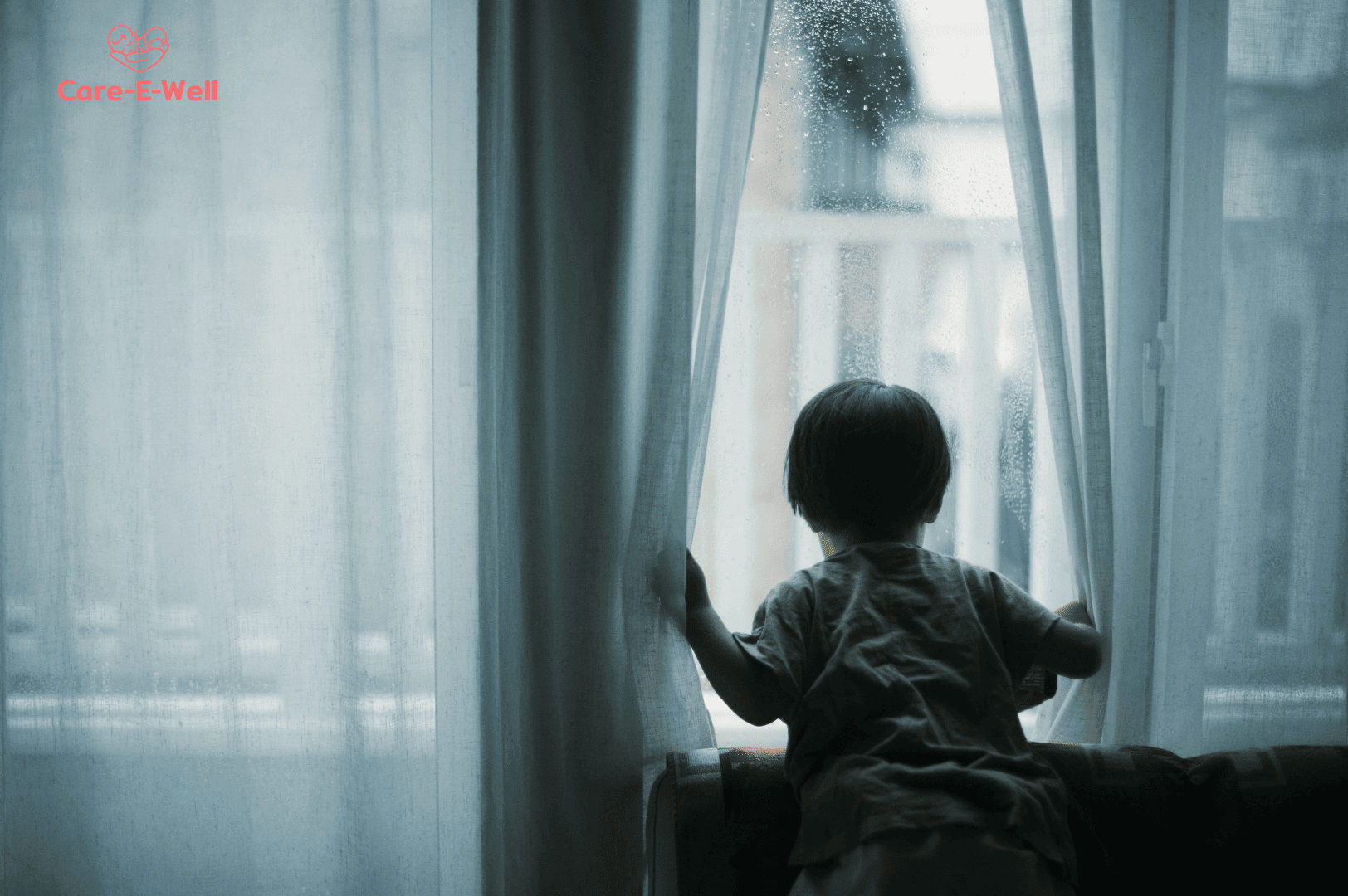
Blind and curtain cord safety deserves attention before a baby can stand, climb or reach a window. Accessible operating cords, loops and internal blind cords have caused fatal and near-fatal strangulation injuries in young children, often in ordinary bedrooms and living rooms. The safest strategy is to remove the accessible cord hazard rather than relying on a child understanding the danger or an adult noticing entanglement immediately.
When choosing new window coverings, prefer designs with no accessible operating cords. For existing corded blinds or curtains, follow the manufacturer’s child-safety instructions, keep every cord and loop inaccessible, use the intended tensioning or securing devices where provided, and move cots, beds, sofas and climbable furniture away from the window.
If a cord can form a loop around a child’s neck—or can become reachable after the child climbs onto furniture—treat it as a strangulation hazard.
Why are blind cords dangerous for young children?
Strangulation can happen when a child’s neck becomes caught in a looped pull cord, chain or internal blind cord. The child may be unable to free themselves, and the event may make little noise. Pediatric studies describe serious injuries, hospitalisations and deaths from window-covering cords despite decades of safety warnings and product changes.
Development makes the risk difficult to predict. A cord that seems safely high today may become reachable when a toddler learns to stand on a sofa, push a chair toward the window or climb onto a bed.
This is why primary prevention focuses on product and environmental modification: remove the cord where possible, eliminate accessible loops, secure necessary cords correctly and keep climbing routes away from the window.
Are cordless blinds safer around babies and toddlers?
A window covering with no accessible operating cord removes the specific strangulation mechanism created by a hanging or looped cord. When replacing blinds or choosing coverings for a nursery or play area, a cordless or otherwise child-safe design is therefore the simplest option where feasible.
“Cordless” should still be assessed as a complete product. Check the manufacturer’s child-safety information, installation requirements and any internal components that could become accessible if the blind is damaged.
Motorised coverings can also remove a hanging operating cord, but remote controls, batteries and power cables can introduce other child-safety considerations. Keep those components inaccessible as well.
Which cords need checking?
Do not look only for the obvious pull cord. Window coverings may include several types of cords or chains, and curtains can have tiebacks or decorative loops too.
- looped blind pull cords
- continuous operating chains
- individual hanging pull cords
- internal blind cords that become exposed when slats or fabric are damaged
- curtain draw cords
- decorative tiebacks with loops
- cords from nearby window accessories
- any makeshift string added to repair or operate a blind
Run your hand along the window covering and look from a toddler’s height. If a child could reach, pull down or create a loop from the cord, the setup needs attention.

Why tying a cord up is not always enough
Simply knotting, looping or draping a cord higher can leave a dangerous loop or create a new one. A temporary arrangement may also slip down when the blind is used.
Use only the child-safety device or securing method intended for that blind or curtain system. Some products use tensioning devices, cleats or other components designed to control the operating cord. Install them exactly as directed and check that adults continue using them correctly every time the blind is raised or lowered.
Avoid improvised hooks, rubber bands, cable ties or knots as a substitute for the manufacturer’s safety system. A visually tidy cord is not necessarily a safely controlled cord.
Where should furniture be placed around corded blinds?
Furniture placement is a major part of prevention. Case reports and injury analyses describe beds, cots, sofas, chairs and other objects giving children access to cords that would otherwise have been out of reach.
- move cots and children’s beds away from windows with cords
- keep sofas and armchairs away if a child could stand on them to reach a cord
- avoid placing toy boxes, benches or low shelving beneath corded blinds
- move lightweight chairs or stools that a toddler could drag to the window
- reassess furniture placement after rearranging the room
The relevant question is not whether the cord hangs above the child’s head while standing on the floor. Ask whether the child can reach it from any surface they can climb onto.
Should a cot ever be beside a blind cord?
A cot should not be positioned where the child can reach a blind, curtain cord or chain through or over the cot side. A baby who previously stayed lying down may suddenly begin sitting or standing and gain much greater reach.
Also check monitor cables, lamp cords and other strings around the sleep space. The absence of a blind cord does not make a cot position safe if another cord is accessible.
Keep cords and loops completely out of reach of the sleep space. Do not wait until the baby first pulls to stand before moving the cot or securing the hazard.
What about Roman blinds, roller blinds and vertical blinds?
The exact mechanism differs by product, but any accessible cord, chain or loop deserves assessment. Continuous chains can create a fixed loop; some Roman and other blinds may contain internal cords; vertical blinds may have operating chains or cords.
Do not assume one style is safe because the visible pull cord looks short. Check the product’s child-safety instructions and inspect both the operating mechanism and any internal cord system.
If a blind is old, damaged or missing its original safety components, replacement may be more reliable than trying to recreate a safety system from unrelated parts.
What should parents check on older blinds?
Older window coverings may predate later design changes or may have lost tensioners, cleats or other safety components over time. Second-hand blinds can also arrive without instructions.
- Identify the manufacturer and model if possible.
- Look for the current child-safety instructions or replacement parts.
- Check for accessible loops and long hanging cords.
- Inspect internal cords for exposure or damage.
- Confirm any tensioning or securing device is still firmly attached.
- Replace missing or damaged safety components with the correct parts.
- Consider replacing the blind if a safe configuration cannot be established.
Do not keep a hazardous blind in a nursery because it is rarely used. The child only needs access once for the risk to matter.
Do cord cleats make blinds safe?
A correctly installed and consistently used cleat may help keep certain cords inaccessible when it is part of the manufacturer’s intended safety arrangement. It does not make every corded blind universally safe.
The cord must actually be secured every time. If adults frequently leave it hanging because winding it onto the cleat is inconvenient, the intended safety control is not functioning reliably.
Check whether the child can reach the cleat after climbing on furniture and whether the cord can still form a loose loop below it.
What about tensioned chains?
Some blind systems use a tensioning device intended to keep a continuous chain taut and reduce the size of an accessible loop. Install the device in the exact position and with the fixings specified by the manufacturer.
If it detaches from the wall or frame, the chain may become loose again. Test it periodically and repair or replace damaged components promptly.
Are curtain tiebacks a strangulation risk?
They can be if they create an accessible loop that a child can place around the neck. Decorative cords, tassels and tiebacks may not be part of the blind mechanism, but the strangulation principle is the same.
Remove looped decorative cords from child-accessible areas or choose non-looping alternatives. Do not hang cords from hooks at toddler height.
Should blind cords be cut shorter?
Do not alter a window covering unless the manufacturer’s instructions specifically describe a safe modification. Cutting a cord can change how the blind operates, expose internal components or create new loose ends without addressing the underlying mechanism.
Use the manufacturer’s approved child-safety solution or replace the covering with a safer design. Product engineering is more reliable than improvising a repair.
What should grandparents, childcare settings and holiday homes check?
Cord hazards are easy to miss outside your own home because furniture and window coverings are unfamiliar. Do a quick room check before leaving a mobile child to play or sleep.
- look behind curtains for hidden cords or chains
- check whether the cot or bed is beside a window covering
- move chairs and sofas that give access to cords
- secure the cord using the product’s intended safety device
- choose another sleeping or play area if the hazard cannot be corrected
Older homes and guest rooms may contain window coverings installed long before a baby arrived, so they deserve particular attention.

How often should blind and curtain cord safety be rechecked?
Recheck when the child gains a new mobility skill and whenever the room changes. A sofa moved closer to a window, a new bed, a broken blind or a detached tensioner can turn a previously controlled cord into a reachable hazard.
- Check before the baby begins pulling to stand.
- Check when walking and climbing start.
- Check after moving furniture.
- Check after cleaning, redecorating or repairing the blind.
- Check if a securing device feels loose.
- Check after an older child or visitor uses the blind differently.
- Reassess any cord the toddler has shown interest in.
The aim is to maintain a cord-free reach zone as the child becomes taller and more capable.
Why supervision is not enough for cord strangulation
Supervision matters, but cord entanglement can happen quickly and quietly. A caregiver may be only a few metres away yet not recognise what is happening immediately.
This is a classic reason to prefer passive environmental safety: a child cannot become entangled in a cord that is not present or not accessible. Product design and room arrangement reduce dependence on perfect attention.
For strangulation hazards, prevention should work during the ordinary moment when an adult turns away—not only when someone is watching the child continuously.
What if a child becomes entangled in a cord?
Cord entanglement around the neck is an emergency. Remove the cord or otherwise release the child immediately and call emergency services if there was neck compression, breathing difficulty, loss of consciousness, abnormal responsiveness, seizure or any ongoing concern. If the child is unresponsive or not breathing normally, follow emergency-dispatch instructions and begin appropriate resuscitation if you are able.
A child who appears better after a strangulation event may still need urgent medical assessment because airway, neck or neurological problems are not always obvious immediately.
Common blind and curtain cord safety mistakes
- assuming a cord is safe because the child cannot reach it from the floor
- tying a long cord into a higher loop
- placing a cot or bed beside a corded blind
- leaving a sofa or chair directly under the cord
- installing a tensioner but allowing it to detach or remain loose
- replacing a safety device with a makeshift hook or tie
- ignoring internal cords on a damaged blind
- assuming supervision can compensate for an accessible loop
The strongest solution is the one that removes or physically controls the hazard before the child gets near it.
Frequently asked questions
Are cordless blinds the safest choice for a nursery?
A design with no accessible operating cord removes the main strangulation mechanism associated with hanging blind cords. When choosing a new nursery covering, that is a strong practical advantage.
Is it enough to keep blind cords high up?
Only if they remain completely inaccessible in normal use and cannot form a reachable loop. Remember to consider climbing on beds, sofas, chairs and toy boxes, not just the child’s standing reach from the floor.
Can I keep an old blind if I add a cord cleat?
It depends on the blind’s design and the manufacturer’s approved safety arrangement. A cleat may be appropriate for some cords, but it does not correct every loop or internal-cord hazard.
Are curtain pull cords dangerous too?
Any accessible cord or loop capable of encircling the neck deserves attention, whether it belongs to a blind, curtain, tieback or another window accessory.
When should I first check blind cords?
Before the baby can sit, stand or reach the window area independently. Ideally, remove or secure the hazard during early babyproofing so the room is ready before mobility changes.
The key takeaway
Blind and curtain cord safety is best achieved by eliminating accessible cords and loops. Prefer window coverings without accessible operating cords when possible, use the manufacturer’s intended safety devices on existing products, keep cots and climbable furniture away from windows, inspect old or damaged blinds and reassess whenever your child’s reach changes. Because strangulation can be rapid and quiet, the environment should protect the child even during brief lapses in direct supervision.
Sources and References
- Onders B, Kim EH, Chounthirath T, et al. — Pediatric Injuries Related to Window Blinds, Shades, and Cords
- Rauchschwalbe R — Pediatric Window-Cord Strangulations in the United States, 1981-1995
- Yamamoto K, Iwashima S, Nishio T — Accidental Mechanical Asphyxia from a Window-Blind Cord
- Datta M, Cyriac J — Window blind cords and accidental strangulation
- Masand M — Accidental strangulation with a Venetian blind cord—a near miss
- Mack KA, Liller KD, Baldwin G, et al. — Preventing Unintentional Injuries in the Home Using the Health Impact Pyramid
- Pearson M, Garside R, Moxham T, et al. — Preventing unintentional injuries to children in the home: a systematic review of the effectiveness of programmes supplying and/or installing home safety equipment
- Kim YH, Lee E, Park J, et al. — Infant Home Safety Programs for Parents: A Systematic Review
- Morrongiello BA — Preventing Unintentional Injuries to Young Children in the Home: Understanding and Influencing Parents’ Safety Practices
Did this Insight help?
A little love for something worth reading.


