
Care-E-Well Insights
Constipation During Potty Training: Breaking the Pain-Withholding Cycle
Constipation during potty training can fuel withholding and fear. Learn how to break the cycle and when your child needs medical care.
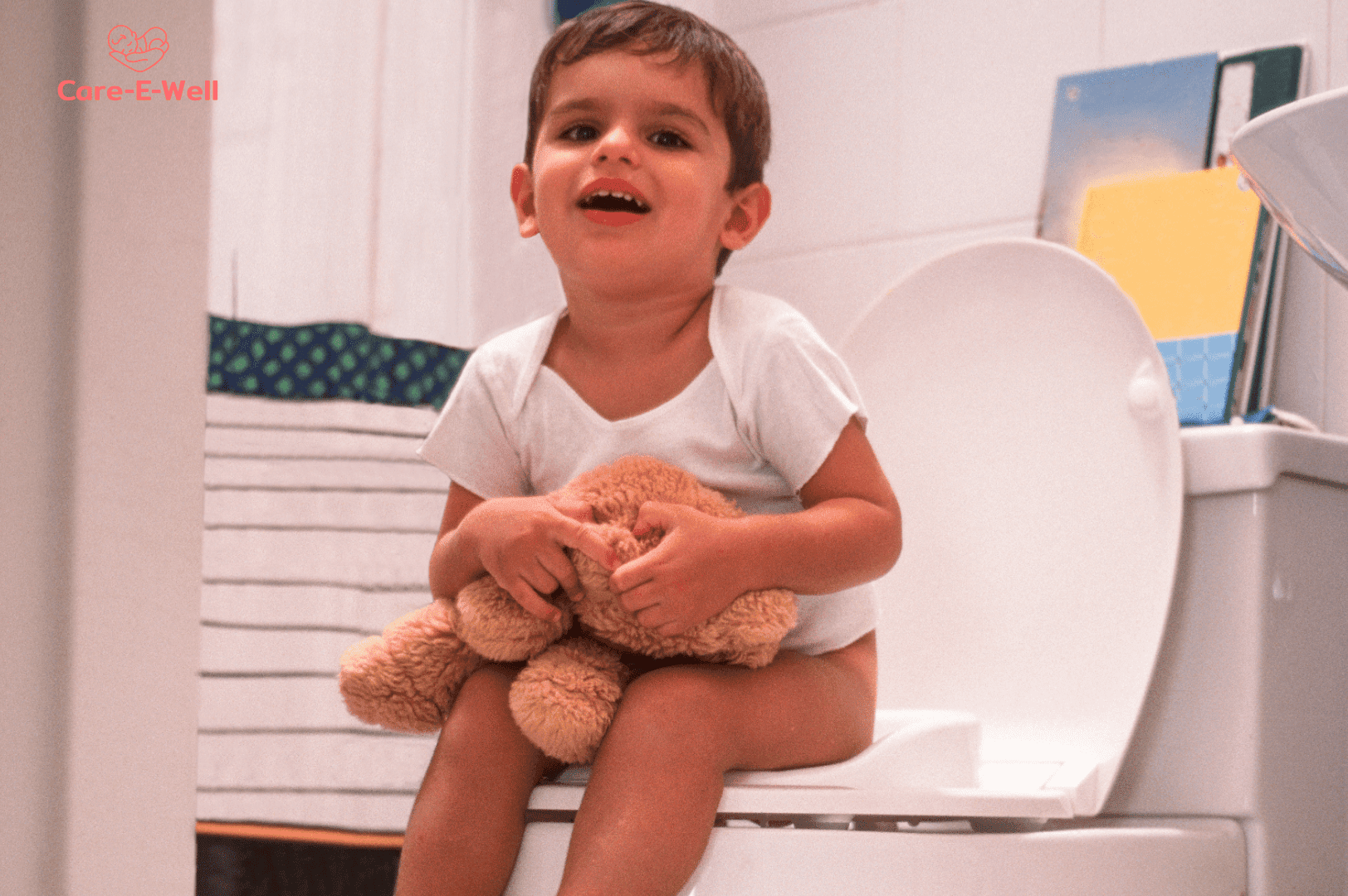
Constipation during potty training can turn a normal developmental transition into a cycle of pain, fear and stool withholding. A child has one difficult bowel movement, starts delaying the next one, the retained stool becomes harder or larger, and pooping becomes even more uncomfortable.
The most important step is to protect comfortable bowel movements. Potty training pressure cannot overcome pain, and repeatedly insisting that a constipated child sit or poop on command may strengthen avoidance rather than solve it.
When constipation and potty training collide, treat bowel comfort as the priority. Toilet learning becomes easier when pooping no longer hurts.
Why does constipation often appear around potty training?
Toilet training changes a child's routine at the same time that toddlers are becoming more independent and more capable of delaying a bowel movement. Some children discover that they can tighten the pelvic floor and buttock muscles when the urge comes.
A painful stool can be enough to start withholding. Research on early childhood constipation has identified painful defecation as a common precipitating factor, while prospective toilet-training studies found that constipation and painful stooling may occur before stool-toileting refusal.
Other changes can contribute too: a new childcare setting, less willingness to stop playing, fear of unfamiliar toilets, changes in diet, or pressure to poop in a new place.
What is the pain-withholding cycle?
The cycle is straightforward but can become self-reinforcing.
- Passing stool hurts or feels frightening.
- The child tries to delay the next bowel movement.
- Stool remains in the colon longer.
- More water is absorbed from the retained stool.
- The stool may become harder, larger and more difficult to pass.
- The next bowel movement hurts again.
- The child becomes more determined to withhold.
With repeated retention, the rectum can become stretched. That may reduce the child's ability to notice normal signals until stool has accumulated, and some children then develop fecal soiling around retained stool.
This is why constipation is not simply a matter of a child “refusing to go.” The behaviour and the bowel physiology can reinforce each other.
What signs suggest constipation during potty training?
Constipation is not defined only by how often a child poops. Clinicians consider a combination of stool frequency, consistency, pain, withholding, large stools, soiling and the child's history.
- hard, dry or very large stools
- painful bowel movements
- repeated stool-withholding postures
- hiding or becoming tense when the urge appears
- long gaps between bowel movements
- crying or fear around pooping
- refusing to poop in the toilet after urination is already established
- fecal smears or larger accidents in underwear
- abdominal discomfort or reduced appetite around periods of retention
Rome IV criteria provide a standardized definition of functional constipation for clinical and research use, but parents do not need to apply diagnostic criteria at home. Persistent symptoms deserve professional assessment.

What does stool withholding look like?
A withholding toddler may cross the legs, stand on tiptoe, squeeze the buttocks, stiffen, rock, hide or appear to “dance.” These actions can be mistaken for straining, but the child may actually be contracting muscles to prevent stool from passing.
Hiding while defecating has been associated with stool withholding, constipation and stool-toileting refusal. A child who urgently asks for a diaper may also be showing that the diaper is the only context in which they feel able to relax.
Treat these behaviours as clues. Punishing or repeatedly confronting the child does not remove the reason they are holding.
Why simply pushing potty training can make things worse
Toilet training depends on a child learning to relax and release at the right time. A constipated child may have learned the opposite response: tighten when the urge appears.
Long forced sits, repeated demands to “try harder,” taking away the diaper abruptly or withholding rewards until stool appears can increase tension. The child may then associate the bathroom with conflict as well as pain.
A child-oriented approach does not mean abandoning all structure. It means keeping toilet opportunities calm and predictable while the bowel problem is being addressed.
What does evidence-based constipation care usually include?
Functional constipation is commonly managed with education, disimpaction when needed, maintenance therapy to keep stools soft, and behavioural routines such as regular toilet sitting. International paediatric guidelines have long supported polyethylene glycol as a first-line osmotic laxative in many children with functional constipation.
The exact treatment depends on the child's age, symptoms, whether stool is impacted, other medical conditions and the local product available. Parents should therefore obtain individual advice rather than copying a dose from another child or an online chart.
Treatment often needs to continue beyond the first comfortable bowel movement. Stopping too early can allow retention and pain to return before the child has regained a reliable, relaxed bowel habit.
Do not give enemas, suppositories, laxatives or other constipation medicines to a young child solely on the basis of an online article. Ask an appropriate healthcare professional which treatment, formulation and dose are suitable for your child.
Is polyethylene glycol safe and effective?
Polyethylene glycol, often abbreviated PEG, is an osmotic laxative that retains water in the stool. Paediatric guidelines and reviews support its use for both disimpaction and maintenance treatment in functional constipation, although the exact regimen should be individualized.
The aim is not to cause diarrhoea. It is to achieve consistently soft, comfortable stools so the child stops expecting bowel movements to hurt.
Other medicines may be used when PEG is unsuitable or insufficient, but that decision belongs in a clinical treatment plan.
What role do food and fluids play?
A varied, age-appropriate diet with fibre-containing foods and normal fluid intake supports healthy bowel function. However, established withholding-related constipation may not resolve simply by adding more fruit, bran or water.
Excessively focusing on diet can also make families feel they have failed when a child still needs medical treatment. Functional constipation is multifactorial, and treatment often combines bowel-softening therapy with routines and education.
Avoid forcing very large volumes of fluid. Offer normal access to drinks and balanced meals while following any specific dietary advice from your child's clinician.
Make toilet sitting physically comfortable
Once stools are becoming soft and comfortable, the toilet setup matters. A child should feel secure rather than balanced over a large opening with dangling feet.
Use a stable potty chair or a correctly fitted toilet reducer with firm foot support. A relaxed, supported posture makes it easier for the pelvic floor to release.
Toilet opportunities after meals can be useful because eating naturally stimulates colonic activity. Keep sits brief and low-pressure, and do not require stool before the child may leave.
A successful toilet sit can simply mean sitting calmly. Comfortable repetition matters more than forcing a bowel movement on a schedule.
What if my child still wants to poop in a diaper?
If the diaper is the only place your child will release stool, removing it suddenly can provoke more withholding. First restore comfortable bowel movements. Then move the routine gradually toward the bathroom and toilet.
Some families begin by allowing the diaper only in the bathroom, then have the child sit on the potty while wearing it, and later work toward eliminating without it. The exact sequence should be adapted to the child, and persistent refusal may benefit from professional guidance.
The important point is that stool should keep moving. A gradual transition is preferable to a standoff that results in several days of retention.

How long can the cycle take to resolve?
There is no universal timeline. A child who has been withholding for weeks or months may need time for the bowel to recover and for the fear of painful stooling to fade.
One or two soft stools do not necessarily mean the problem is fully resolved. Treatment plans often aim for a sustained period of comfortable, regular stooling while the child relearns normal urges and toilet routines.
Progress may occur in stages: less withholding, softer stools, less fear, willingness to sit, and only later consistent bowel movements in the toilet.
When constipation needs medical assessment
Seek medical advice for persistent constipation, painful bowel movements, repeated withholding or fecal soiling. Seek prompt or urgent assessment for significant abdominal swelling, repeated vomiting, severe or worsening abdominal pain, blood in the stool beyond a small amount clearly linked to a known superficial fissure, poor growth, weakness, fever, a very unwell child, or constipation beginning unusually early in infancy.
Most childhood constipation is functional, but clinicians assess for features that may suggest another cause. That is especially important when symptoms are severe, treatment is not working as expected, or there are neurological, growth or developmental concerns.
Routine abdominal X-rays are not necessary for every child with suspected functional constipation; diagnosis is usually based primarily on history and examination unless specific circumstances justify further testing.
A step-by-step plan to break the cycle
- Recognise withholding and painful stooling early.
- Reduce toilet pressure and stop punishment or prolonged forced sitting.
- Arrange medical assessment when constipation is persistent, painful or causing withholding.
- Follow the recommended disimpaction plan if your clinician determines that retained stool is present.
- Continue maintenance treatment as advised so stools remain consistently soft.
- Provide a stable toilet setup with firm foot support.
- Offer calm, brief toilet sits at predictable times, often after meals.
- Praise participation and communication rather than demanding stool.
- Transition from diaper pooping gradually if abrupt removal causes withholding.
- Continue follow-up if symptoms recur or the child does not improve.
The goal is not a perfect toilet-training streak. It is to restore a bowel pattern in which the child can feel the urge, relax, pass stool comfortably and gradually trust the toilet again.
Frequently asked questions
Can potty training cause constipation?
Potty training does not inevitably cause constipation, but the transition can coincide with withholding, fear, routine changes and painful bowel movements. These factors can contribute to functional constipation in susceptible children.
Should I pause potty training if my child is constipated?
It can be sensible to reduce active pressure while constipation is treated. Keep the potty familiar and maintain calm routines, but prioritise comfortable stooling before expecting consistent toilet bowel movements.
Can constipation cause poop accidents?
Yes. When stool is retained, softer stool may leak around it and soil underwear. This can look like diarrhoea or deliberate accidents but may actually be part of significant constipation.
Will more fibre fix constipation during potty training?
Fibre-containing foods are part of a healthy diet, but established withholding-related constipation often needs more than dietary changes. Ask a healthcare professional whether medical treatment is indicated.
When should I stop laxative treatment?
Follow the plan given by your child's healthcare professional. Stopping as soon as stools improve can lead to recurrence if the bowel and toileting pattern have not had time to stabilise.
The key takeaway
Constipation during potty training is easiest to understand as a pain-withholding cycle rather than a discipline problem. Restore consistently comfortable stools, reduce pressure, support a stable toilet posture and give the child time to relearn that pooping does not have to hurt.
Sources and References
- Tabbers MM, DiLorenzo C, Berger MY, et al. — Evaluation and treatment of functional constipation in infants and children: evidence-based recommendations from ESPGHAN and NASPGHAN
- Rajindrajith S, Devanarayana NM, Benninga MA — Childhood constipation: Current status, challenges, and future perspectives
- Blum NJ, Taubman B, Nemeth NM — During Toilet Training, Constipation Occurs Before Stool Toileting Refusal
- Borowitz SM, Cox DJ, Tam A, et al. — Precipitants of Constipation During Early Childhood
- de Morais MB — Prevention of pediatric functional constipation: a narrative review
- Pawasarat A, Biank V — Constipation in Pediatrics: A Clinical Review
- de Campos GRC, Sandy NS, Lomazi EA — Management of children with functional constipation referred to tertiary care
- West LN, Zakharova IN, Huysentruyt K, et al. — Reported Prevalence and Nutritional Management of Functional Constipation among Young Children from Healthcare Professionals in Eight Countries
- Gozali FS, Febiana B, Hegar B, et al. — Relationship between psychological stress with functional constipation in children: a systematic review
- Köstekçi YE, Başkan S, Topçu S, et al. — Evaluation of the effects of the toilet training process on the children's quality of life
Did this Insight help?
A little love for something worth reading.


