
Care-E-Well Insights
Diaper Rash: Causes, Treatment and Prevention
Diaper rash is common. Learn how moisture, stool and friction irritate skin, what simple care can help, and when a rash needs medical advice.
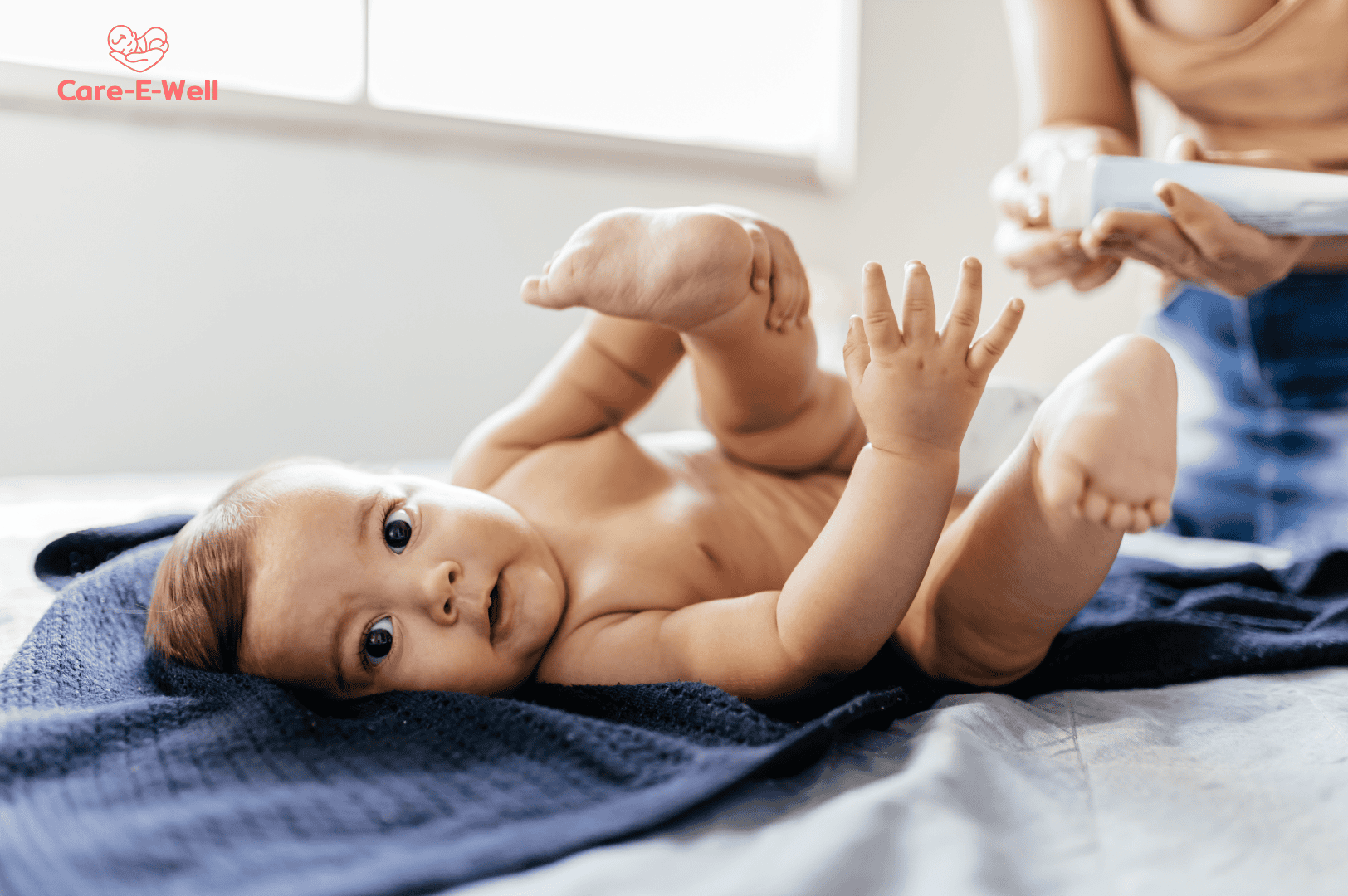
Diaper rash is redness or irritation in the skin covered by a diaper. The most common everyday pattern develops when delicate skin spends too long in contact with moisture, stool and friction. Frequent loose stools, repeated wiping, a poor diaper fit or a product that irritates the skin can make the problem worse.
Mild irritation often improves with simpler care: change stool promptly, reduce prolonged wetness, clean gently, pat rather than rub, allow the skin to dry and use a simple protective barrier when needed. A rash that is severe, spreading, blistered, weeping, very painful, infected-looking or accompanied by fever or an unwell baby needs professional assessment rather than more home products.
The first goal in diaper rash care is to reduce irritation: less stool and moisture contact, less friction and fewer unnecessary products.
What causes diaper rash?
Diaper-area skin faces a combination of moisture, warmth, friction and contact with urine and stool. When skin remains damp, it becomes more vulnerable to rubbing and irritation. Stool is particularly irritating because it contains digestive substances and microorganisms.
A rash may therefore appear after longer intervals between changes, frequent bowel movements, diarrhoea, a period of illness or a change in products. Tight diapers can increase friction, while diapers that are too loose may leak and spread stool or urine over a larger skin area.
- prolonged moisture against the skin
- stool left in contact with the skin
- frequent loose stools or diarrhoea
- friction from wiping, elastic or a poorly fitting diaper
- repeated use of irritating or fragranced products
- heat and occlusion inside the diaper area
- skin sensitivity or an existing skin condition
- secondary infection complicating already irritated skin
Not every diaper-area rash has the same cause, which is why a rash that does not behave like simple irritation should be assessed rather than repeatedly treated by trial and error.
What does ordinary irritant diaper rash look like?
A typical irritant rash often appears as red, sore-looking skin on areas that have the most contact with the diaper. The buttocks, lower abdomen, genital area and upper thighs may be affected. The baby may be uncomfortable during wiping or when urine or stool touches irritated skin.
Mild irritation usually stays superficial. Deep open sores, blisters, pus, marked swelling or a rapidly spreading rash are not features to dismiss as ordinary redness.
Skin folds can sometimes be less affected in straightforward irritant rash because they have less direct contact with the diaper surface, but parents should not try to diagnose the cause from one visual feature alone.
Can diaper rash be caused by diarrhoea?
Yes. Frequent watery stool means the skin is exposed to stool more often and usually needs more cleaning, increasing both chemical irritation and friction. WHO notes that diarrhoea can also cause dehydration, so repeated watery stools are more than a skin-care issue in a baby.
Change stool promptly, clean gently and monitor urine output and the baby's general condition. Do not focus so heavily on the rash that reduced wet diapers, poor feeding or lethargy are missed.
Seek prompt medical advice for repeated watery diarrhoea with fewer wet diapers, poor drinking or feeding, repeated vomiting, blood in stool, unusual sleepiness or a baby who looks unwell.
Can a diaper that is too small cause rash?
A tight diaper can increase pressure and friction, especially around the waist and thighs. Deep persistent marks, a stretched waistband or difficulty fastening comfortably suggest the fit should be reassessed.
Sizing up is not a treatment for every rash. If the current diaper fits comfortably and the redness is mostly related to stool or moisture, changing size alone will not remove the cause.
A diaper that is too large can also create problems if it leaks repeatedly and leaves more skin in contact with urine or stool.

How often should you change diapers when a baby has a rash?
Change stool as soon as practical and check urine more frequently while the skin is irritated. The goal is to avoid leaving already damaged skin wet for long periods.
There is no single timer that every family needs to follow. Diaper absorbency, stool frequency, age and the severity of the rash all matter. A lightly wet diaper in healthy skin is different from the same diaper against raw, irritated skin.
Nighttime checks may need to be more frequent temporarily if a significant rash is present.
What is the gentlest way to clean diaper rash?
Use clean water and a soft cloth, or a baby wipe that your baby's skin tolerates, and remove stool without repeated scrubbing. WHO emphasises hygienic newborn skin care and handwashing as part of essential newborn care.
Pat the area dry instead of rubbing. If dried stool is difficult to remove, soften it with water rather than scrubbing harder.
Stop using a wipe, cleanser or cosmetic product if redness repeatedly worsens after use. When the skin barrier is damaged, products that were previously tolerated may sting.
Should you use soap at every diaper change?
Usually not. Routine diaper changes mainly require removal of urine and stool. Repeated cleansing with soap can add unnecessary exposure to detergents, especially when the skin is already sore.
When a cleanser is needed, use a mild product intended for babies and follow its instructions. Rinse or wipe residues away as directed.
Does diaper-free time help?
Short periods without a diaper can help the skin dry and reduce friction, provided the baby is kept warm and placed on a safe, easy-to-clean surface. This is a practical supportive measure rather than a requirement.
A newborn should not be left uncovered long enough to become cold. WHO emphasises thermal protection as part of essential newborn care.
Stay with the baby throughout diaper-free time, especially on any raised surface.
Should you use a barrier cream?
A simple barrier ointment is commonly used to create a physical layer between irritated skin and moisture or stool. It can be particularly useful when stools are frequent or the skin is already mildly inflamed.
Use one straightforward product rather than layering several creams, oils and powders. If you are unsure what is suitable for a newborn, ask a pharmacist, midwife or paediatric healthcare professional.
A barrier product protects the skin; it does not make it appropriate to leave stool in the diaper for a long period.
Should you use baby powder for diaper rash?
Powder is not necessary for routine diaper-rash care. The main practical goals are prompt stool removal, appropriate changing, gentle cleansing, drying and reducing friction.
Loose powder can become airborne close to a baby's face. If moisture remains a recurring problem despite good diaper care, discuss the cause and suitable skin products with a healthcare professional rather than adding several products at once.
When could infection be involved?
Irritated skin can sometimes become complicated by infection. A clinician may consider fungal or bacterial causes when a rash has an unusual distribution, involves the folds prominently, develops small surrounding spots, becomes very weepy or crusted, or does not improve as expected.
Those features are not reliable enough for parents to diagnose a yeast or bacterial rash from a photograph alone. Different rashes can look similar, particularly on different skin tones.
If infection is suspected, treatment depends on the cause. Seek professional advice rather than using leftover antifungal, antibiotic or steroid creams without guidance.
Should you use antifungal cream for every persistent diaper rash?
No. Antifungal treatment only helps when a fungal cause is actually present. Irritant dermatitis, eczema, bacterial infection and other skin conditions need different management.
Because this article is a general diaper-rash guide, the safest approach is to have a persistent or atypical rash assessed before starting a medicated treatment, especially in a newborn.
What about steroid creams?
Do not routinely use a steroid cream on a baby's diaper area without appropriate professional advice. The diaper creates an occlusive environment, and skin in the genital and groin area can absorb topical medicines differently from less-covered skin.
If a clinician recommends a medicated cream, use the exact product, amount and duration advised rather than continuing it indefinitely because redness remains.
Can wipes cause diaper rash?
Some babies develop irritation after exposure to a particular wipe, fragrance, preservative or cleanser. If the timing is convincing, stop the suspected product and return to simple water and a soft cloth while the skin settles.
One episode of rash does not mean all wipes are unsuitable. Reintroduce products cautiously or choose a simpler formulation once the skin is healthy if you want the convenience of wipes.
Can a new diaper brand cause irritation?
Possibly. Diapers differ in fit, surface materials, elastics and lotions. A new product can also coincide with teething, diarrhoea, antibiotic treatment, illness or a change in stool frequency, so timing alone does not prove an allergy.
If redness repeatedly appears soon after using one product and improves when it is removed, try another suitable diaper. Seek advice when reactions are severe or recurrent.
What should you do at the first sign of mild diaper rash?
- Change stool promptly and check wet diapers more often.
- Clean with water and a soft cloth or a well-tolerated wipe.
- Avoid repeated rubbing or scrubbing.
- Pat the skin dry.
- Check whether the diaper is too tight or leaking.
- Use a simple barrier ointment if appropriate for your baby.
- Give brief diaper-free time when practical and warm enough.
- Watch whether redness is clearly improving over the next changes.
If the rash is worsening rather than improving, or the baby develops other symptoms, move from home care to professional assessment.
What should you avoid doing?
- do not scrub sore skin to remove every trace of cream
- do not leave stool against irritated skin for long periods
- do not layer several medicated creams without guidance
- do not use leftover prescriptions from another child or earlier rash
- do not assume every bright red rash is yeast
- do not use an excessively tight diaper to prevent leaks
- do not ignore fever, poor feeding or reduced activity because the problem appears to be “only skin”
WHO newborn guidance stresses early recognition of danger signs and prompt care when a newborn is unwell.

How can you prevent diaper rash?
Prevention is mainly about keeping the skin barrier intact. Change stool promptly, avoid leaving the diaper extremely wet for long periods, clean gently and make sure the diaper fits without pressure or large gaps.
- wash hands before and after diaper care
- use clean water and clean changing materials
- minimise unnecessary friction
- pat skin dry before fastening a fresh diaper
- change products that repeatedly irritate the skin
- use a simple barrier when your baby's skin needs extra protection
- reassess fit as the baby grows
- respond quickly during diarrhoea or very frequent stooling
WHO specifically includes hygienic skin care and infection prevention in essential newborn care.
Does every baby need barrier cream at every change?
No. Healthy skin does not necessarily need a thick layer of product at every diaper change. Some babies benefit from routine barrier protection because they stool frequently or develop irritation easily; others do well with simple cleaning and timely changes.
Use the least complicated routine that keeps your baby's skin comfortable and healthy.
What if the rash is in a newborn?
Use a lower threshold for professional advice in the first weeks. Newborn skin is delicate, and a newborn who is unwell can deteriorate more quickly than an older infant.
WHO and UNICEF advise families to seek care for newborn danger signs such as feeding problems, reduced activity, breathing difficulty or fever.
A newborn with a rapidly worsening rash, blisters, open sores, pus, significant swelling, fever, poor feeding, unusual sleepiness or reduced activity needs prompt medical assessment.
When should diaper rash be checked by a healthcare professional?
- the rash is severe or rapidly worsening
- there are blisters, open sores or significant skin breakdown
- pus, crusting or spreading swelling appears
- the rash is very painful
- the rash spreads well beyond the diaper area
- the baby develops fever or looks unwell
- a newborn is feeding poorly or unusually sleepy
- the rash is not improving with simple care
- you suspect a medicated treatment may be needed
Persistent rash deserves assessment because the next step depends on the cause. More frequent product changes are not a substitute for diagnosis when ordinary irritant care is failing.
What if the rash appears together with diarrhoea?
Protect the skin, but also monitor hydration. WHO identifies dehydration as the main immediate danger of diarrhoeal illness, particularly in young children.
Continue age-appropriate feeding and seek medical advice when diarrhoea is persistent, bloody or accompanied by dehydration signs or a generally unwell baby.
Frequently asked questions
How quickly should mild diaper rash improve?
A mild irritant rash should begin moving in the right direction once moisture, stool contact and friction are reduced. If it is worsening or not improving despite simple care, seek advice rather than continuing the same routine indefinitely.
Is diaper rash always caused by infrequent changes?
No. Frequent stooling, diarrhoea, friction, skin sensitivity, products and infection can all contribute even when parents change diapers regularly.
Can I use water instead of wipes while the skin is sore?
Yes. Clean water and a soft cloth are a simple option and may be more comfortable when irritated skin stings with wipes.
Does a bright red rash mean yeast?
Not necessarily. Colour alone cannot reliably identify the cause. Persistent or atypical rash should be professionally assessed before medicated treatment.
Should I change the diaper during the night if there is a rash?
Change stool promptly and consider more frequent urine checks while the skin is significantly irritated. The need depends on wetness, absorbency and how sore the skin is.
The key takeaway
Diaper rash most often improves when the diaper area is kept cleaner, drier and exposed to less friction. Change stool promptly, check wet diapers more often while skin is sore, cleanse gently, pat dry and use a simple protective barrier when helpful. Avoid turning a mild rash into a complicated treatment routine. If the rash is severe, persistent, infected-looking or accompanied by fever, poor feeding, reduced activity or other illness, seek professional assessment.
Sources and References
- World Health Organization — Caring for a newborn
- World Health Organization Regional Office for Europe — Newborn health
- World Health Organization — Newborns: improving survival and well-being
- World Health Organization — Essential newborn care
- World Health Organization — Essential newborn care course, second edition
- World Health Organization — Keeping newborns and children under 5 years clean and safe
- World Health Organization — Raising the importance of postnatal care
- World Health Organization — Diarrhoeal disease
- UNICEF Parenting — Newborn health warning signs
Did this Insight help?
A little love for something worth reading.


