
Care-E-Well Insights
Does the 3-Day Potty Training Method Work?
Does the 3-day potty training method work? Learn what research shows, what three days can achieve and when to change course.
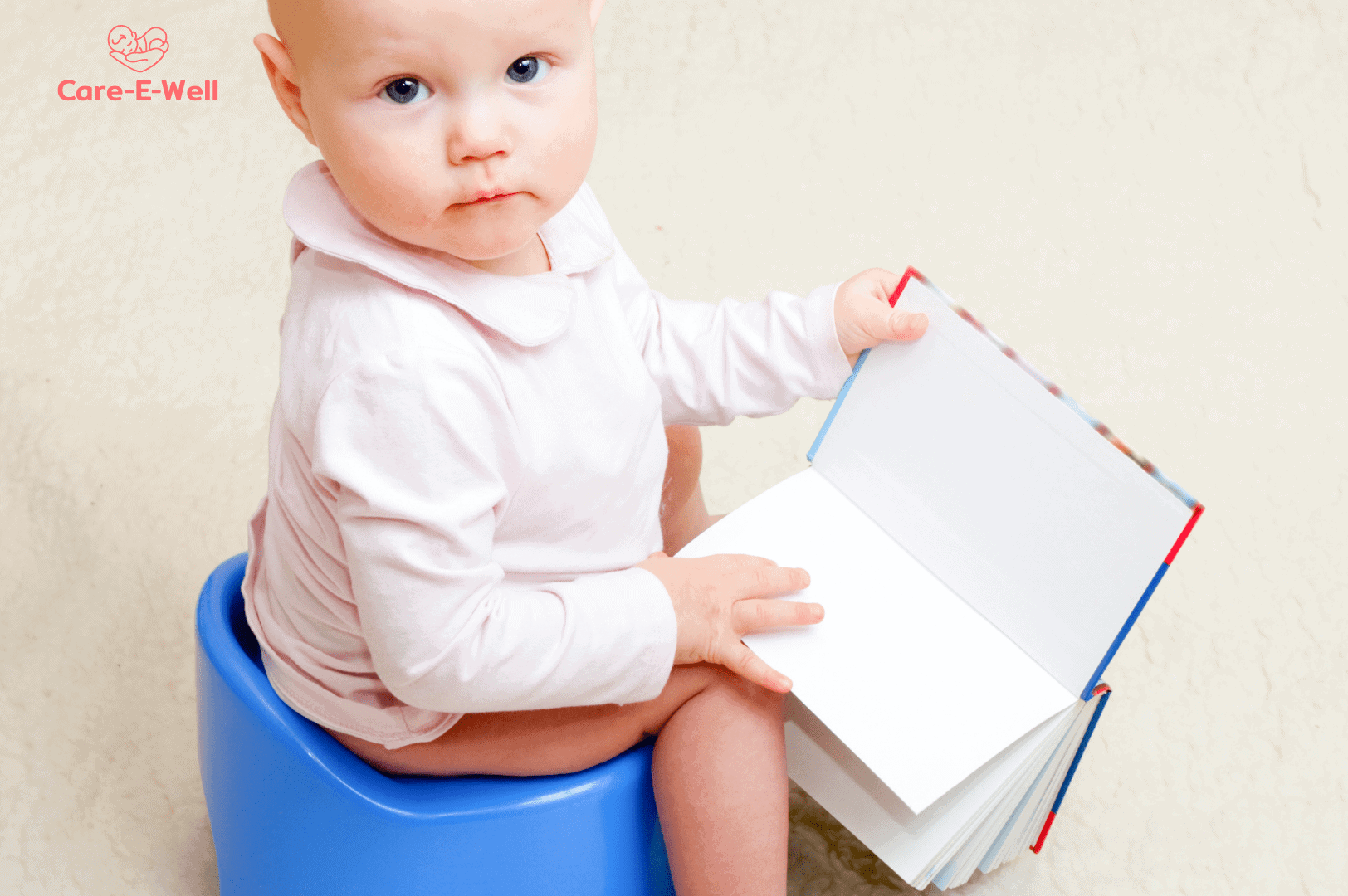
Does the 3-day potty training method work? It can help some ready toddlers make noticeable progress over a focused few days, but there is no strong evidence that a modern consumer “3-day method” reliably produces complete toilet independence in three days.
The scientific literature includes older rapid toilet-training protocols and newer intensive programmes, but they are not all the same as the popular home method described online. Some were developed in very different populations or settings, and researchers themselves note that intensive toilet training in typically developing children has received relatively little study.
Treat three days as a focused learning period, not a deadline your child must meet.
What is the 3-day potty training method?
The phrase usually describes an intensive home approach in which caregivers set aside several days to focus closely on toileting. Common versions involve removing daytime diapers, watching for elimination signals, offering frequent toilet opportunities and giving immediate feedback when the child uses the potty.
There is no single standardised scientific protocol called “the 3-day potty training method.” Different books, websites and families use the name for different routines, which makes broad claims about its success difficult to evaluate.
Research does include “rapid” or “intensive” toilet training, but those protocols may use different schedules, reinforcers, fluid strategies, prompting systems and accident responses. A study of one intensive method therefore cannot automatically validate every commercial or social-media version of a three-day plan.
Where did rapid toilet training come from?
Behavioural rapid toilet-training research dates back decades. Azrin and Foxx published an intensive protocol in 1971 for institutionalised people with profound intellectual disability, followed by research on a rapid “dry pants” method for children in 1973.
Those historical studies influenced later behavioural programmes, especially for people with developmental disabilities. However, their populations, environments and some intervention components differ substantially from what most parents mean today when they talk about potty training a typically developing toddler over a long weekend.
A 2016 paper specifically noted that there was little research on intensive toilet training in typically developing children. More recent research has expanded the evidence for structured programmes in childcare and developmental-disability settings, but it still does not justify a universal promise of three-day success at home.

So can a child really make progress in three days?
Yes. A concentrated period can give a ready child many chances to connect body sensations with the potty, practise clothing skills and experience a consistent routine. Some children may move from little awareness to frequent successful toilet use surprisingly quickly.
But “progress” is not the same as complete independence. A child who urinates in the potty with frequent adult prompting on day three may still be learning to initiate, stop playing, manage clothing, poop comfortably, use unfamiliar toilets and stay dry during sleep.
- recognising the urge to urinate
- telling an adult or going independently
- getting to the toilet in time
- managing clothing
- sitting and releasing comfortably
- wiping and handwashing with age-appropriate help
- transferring the skill to childcare, outings and unfamiliar bathrooms
These parts can develop at different speeds. A three-day window cannot compress every developmental component into the same timetable.
What does the research say about intensive methods?
Evidence comparing toilet-training methods remains limited. A review in CMAJ concluded that there was no high-level evidence proving one method best, while observational work has found no clear long-term voiding advantage of one commonly used training approach over another.
A cluster randomised trial has evaluated an intensive group toilet-training programme in daycare centres, showing that structured programmes can be studied prospectively. That does not mean the results transfer directly to a parent-led three-day home programme because the setting, protocol and support are different.
Research on rapid toilet training for children with intellectual and developmental disabilities is larger, and systematic reviews describe many variations in intensity and components. Those findings are useful for understanding learning principles, but they should not be presented as direct evidence that every typically developing toddler can be trained in three days.
Readiness still matters
A focused method is more likely to be workable when the child already has several underlying skills. Intensive repetition cannot substitute for developmental readiness.
- the child shows some awareness of wetness, urination or bowel movements
- they can follow simple directions
- they can sit securely on the potty or toilet
- they can participate in pulling clothing up and down
- they show at least some willingness to engage with the routine
- bowel movements are generally soft and comfortable
If your toddler has no awareness of elimination, strongly fears the toilet or becomes highly distressed with repeated sits, increasing the intensity may create more conflict rather than more learning.
How to use a three-day approach without making three days the goal
If your family likes the idea of a focused weekend, use it as an opportunity to observe and practise rather than as a pass-or-fail test.
- Choose a period when you can stay relatively consistent and unhurried.
- Make sure the child is showing several readiness signs.
- Use a stable potty or toilet setup with supported feet.
- Dress the child in clothing that is quick to remove.
- Offer frequent but reasonable opportunities while also watching natural body signals.
- Praise communication, sitting and successful toilet use.
- Respond to accidents neutrally and help the child change.
- Keep normal hydration available; do not force excessive drinking simply to manufacture more toilet attempts.
- At the end of the three days, assess what your child learned rather than whether they are “fully trained.”
If your child is improving but still has accidents, continue calmly. The method has not failed simply because learning extends beyond the advertised timeframe.
The useful question after three days is “What is my child understanding now?” rather than “Why are there still accidents?”
What should you avoid in an intensive potty-training weekend?
Avoid punishment, shame and escalating corrective routines. Historical rapid protocols sometimes included components that modern programmes have modified or removed. Contemporary behaviour-analytic literature describes adaptations that reduce or eliminate overcorrection and other aversive elements, especially when they cause distress.
Do not interpret “intensive” as keeping a child on the toilet for long periods or turning the entire day into repeated negotiations. Learning requires opportunities, but a child also needs normal play, food, fluids, rest and emotional space.
Avoid comparing your child with success stories claiming complete training in a weekend. Published research shows substantial individual variation in toileting development and training duration.
What about poop during a 3-day method?
Bowel training often follows a different pattern from urination. A child may become dry for urine while still asking for a diaper to poop, withholding stool or avoiding the toilet.
Do not increase pressure when bowel movements become difficult. Painful defecation and constipation are associated with stool withholding and toileting refusal, and recent paediatric reviews emphasise addressing bowel discomfort before pushing training forward.
Seek healthcare advice if your child has persistent hard or painful stools, repeated stool withholding, blood in the stool, marked abdominal swelling or significant ongoing pain. A three-day schedule should never take priority over comfortable bowel function.
When should you stop or change the plan?
Change course when the method is producing escalating distress, the child is repeatedly withholding urine or stool, constipation appears, or you realise the child lacks the awareness needed to participate.
You do not necessarily have to return to zero. Keep the useful parts, such as consistent language and a familiar potty, while reducing the frequency of prompting or pausing the underwear transition. A later restart can build on what the child already learned.

What counts as success after three days?
Look for skill development rather than perfection. Meaningful progress may include telling you after an accident, pausing before urinating, sitting willingly, having several successful voids, starting to initiate or understanding where urine and stool belong.
Full daytime independence usually requires more than producing urine in a potty under close adult supervision. Night-time dryness is also a separate developmental process and should not be included in a three-day success standard.
Frequently asked questions
Can a 2-year-old be potty trained in three days?
Some 2-year-olds may make rapid progress, while others are not yet ready. Age alone cannot predict whether a three-day intensive period will work; awareness, communication, willingness and bowel comfort matter more.
Should I cancel the method if there are accidents on day three?
No. Accidents are part of learning. If your child is gaining awareness and participating without major distress, you can continue the routine beyond three days.
Does the 3-day method work better than gradual potty training?
Current evidence does not establish a universal winner for typically developing toddlers. Different structured and child-oriented methods can work, and the best fit depends on the child and family.
Should I keep my child naked for three days?
Some popular versions use naked time, but there is no scientific rule that it is required. The practical goal is easy access to the potty and clear feedback about elimination, which can also be achieved with simple clothing.
What if my child refuses to sit during the 3-day method?
Do not turn refusal into repeated forced sitting. Check readiness, toilet comfort, constipation and fear. Reducing intensity or pausing may be more productive than pushing harder.
The key takeaway
The answer to “does the 3-day potty training method work?” is that it may create useful momentum for some ready toddlers, but science does not support a guaranteed three-day deadline. Use focused practice if it suits your family, keep the approach positive, and judge success by learning and growing independence rather than a calendar.
Sources and References
- Warzak WJ, Forcino SS, Sanberg SA — Advancing Continence in Typically Developing Children
- Kiddoo D — Toilet training children: when to start and how to train
- Foxx RM, Azrin NH — Dry pants: A rapid method of toilet training children
- Azrin NH, Foxx RM — A Rapid Method of Toilet Training the Institutionalized Retarded
- Van Aggelpoel T, De Wachter S, Neels H, et al. — Implementing a new method of group toilet training in daycare centres: a cluster randomised controlled trial
- Colaco M, Johnson K, Schneider D, et al. — Toilet Training Method Is Not Related to Dysfunctional Voiding
- Travers JC, Forbes HJ, Zimmerman KN, et al. — A Systematic Review of Rapid Toilet Training Intervention Intensity for Individuals with Intellectual and Developmental Disabilities
- Donnelly MG, Karsten AM — Resolving Barriers to Continence for Children with Disabilities: Steps Toward Evidence-Based Practice
- Blum NJ, Taubman B, Nemeth NM — Relationship Between Age at Initiation of Toilet Training and Duration of Training: A Prospective Study
- de Morais MB — Prevention of pediatric functional constipation: a narrative review
Did this Insight help?
A little love for something worth reading.


