
Care-E-Well Insights
High-Powered Magnet Safety for Young Children
Learn high-powered magnet safety for young children, why multiple swallowed magnets can injure the bowel, and how to prevent access.
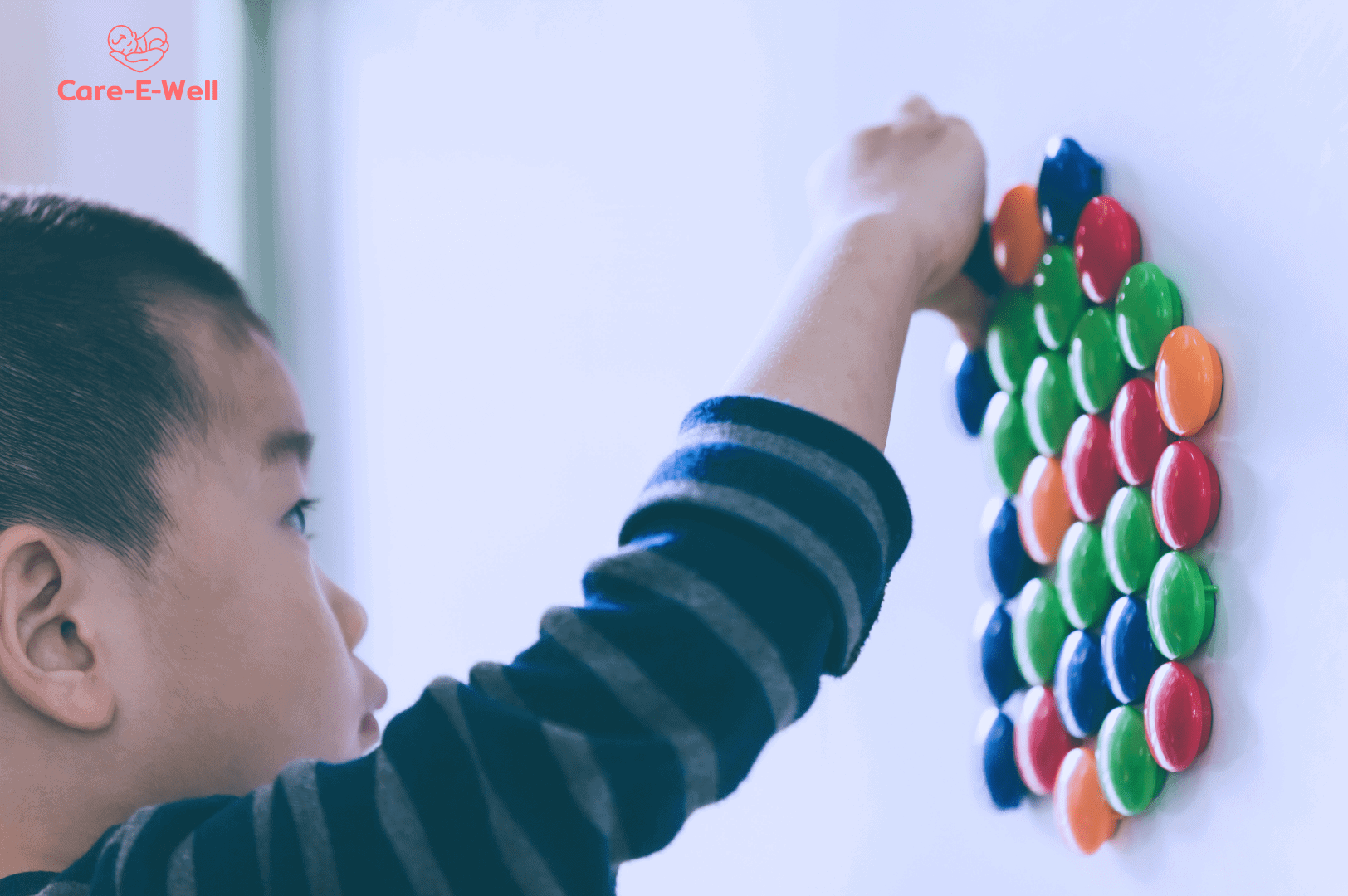
High-powered magnet safety for young children matters because these small, shiny objects can cause a type of internal injury that ordinary swallowed objects do not. If two or more strong magnets are swallowed, they can attract each other through different loops of bowel, trapping tissue between them and causing pressure injury, loss of blood supply, perforation, fistulas or obstruction.
The safest approach is prevention: keep loose high-powered magnets completely out of young children’s environments, inspect toys and household products for magnets that can come loose, and manage older siblings’ magnetic sets separately. If you suspect a child swallowed one or more magnets, seek urgent medical assessment even if the child has no symptoms.
Suspected ingestion of high-powered magnets requires urgent medical advice. Do not wait for abdominal pain, vomiting or stool passage before seeking assessment, because serious bowel injury can develop while a child initially appears well.
Why are high-powered magnets different from ordinary magnets?
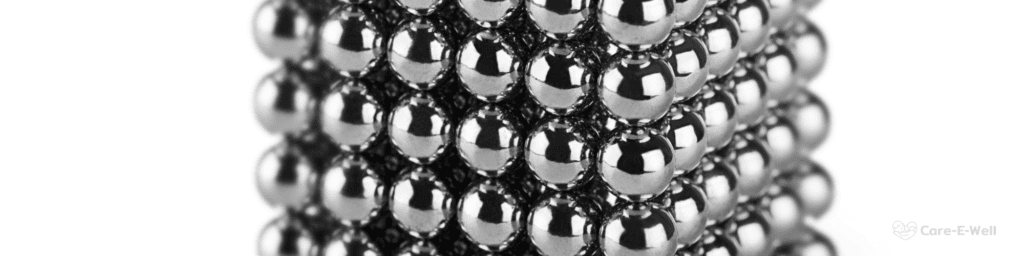
Many modern small magnets are made from rare-earth materials such as neodymium and can generate much stronger attraction than traditional weak refrigerator magnets. Their small size makes them easy to swallow, while their magnetic force allows them to interact through layers of tissue.
A single swallowed object often moves through the digestive tract without interacting with another object. Multiple strong magnets are different: magnets in separate bowel loops may pull tightly toward each other and compress the bowel walls caught between them.
Prolonged compression can reduce blood flow, causing tissue injury and eventually a hole or abnormal connection between parts of the intestine. Published pediatric case series describe perforation, fistula formation, obstruction, volvulus and the need for surgery after multiple-magnet ingestion.
The danger is not simply that magnets are small enough to swallow. Their attraction to each other inside the body creates the distinctive risk.
Where can high-powered magnets appear in a family home?
The most obvious source is a set of small magnetic balls, cubes or construction pieces, but strong magnets can also be hidden inside household products. Parents should think about loose magnets and about magnets that are meant to remain sealed inside an item.
- high-powered magnetic desk or novelty sets
- magnetic construction toys intended for older children
- magnetic jewellery or accessories
- fridge or noticeboard magnets with detachable pieces
- magnetic closures on bags, cases or boxes
- small electronic accessories
- craft magnets
- educational kits and science projects
- toys containing embedded magnets
- household gadgets with small magnetic components
Product design and magnet strength vary. A large, securely enclosed magnet is not the same situation as a tiny loose neodymium sphere, but any product that can release a small strong magnet deserves attention in a home with young children.
Why are several swallowed magnets so dangerous?
Imagine two magnets reaching different parts of a folded intestinal tube. They can attract across the two bowel walls and clamp those walls together. The child may continue playing normally while pressure builds at the trapped tissue.
The resulting injury can progress from local inflammation to ischemia, necrosis, perforation or a fistula connecting two parts of the gastrointestinal tract. If the magnets obstruct or twist the bowel, vomiting and abdominal distension may develop. Infection can follow perforation.
This mechanism explains why clinicians do not manage confirmed multiple-magnet ingestion as if it were simply a collection of ordinary small objects waiting to pass.
Is swallowing one magnet safe?
Do not assume so. A single magnet may follow a less complicated course than multiple magnets, but parents may not know the true number swallowed, a second magnet may be ingested later, or another metallic object may also be present.
Imaging may be needed to determine number, location and movement. Strong magnets can also overlap on an image and appear to be a single object. For these reasons, suspected magnet ingestion deserves prompt professional assessment rather than a home decision that “it was only one.”
Tell clinicians exactly what type of magnet may be involved and whether other magnets from the same set are missing.
Can a magnet and a metal object cause the same problem?
Potentially, yes. A strong magnet can attract a metallic foreign body through bowel tissue. The risk depends on the objects and their locations, so suspected co-ingestion of a magnet and metal object should be reported clearly to the medical team.
Do not deliberately offer another magnet or metal object to “test” whether one was swallowed. Diagnosis belongs in a medical setting.
Why can magnet ingestion be hard to notice?
Many ingestions are unwitnessed. A toddler can remove a small magnet from a damaged toy, and an older child may put magnets in the mouth while playing. Some children remain asymptomatic early in the course.
Later symptoms can resemble common gastrointestinal illnesses, which may delay recognition if nobody knows magnets were accessible.
- abdominal pain or tenderness
- vomiting
- abdominal swelling or distension
- fever
- refusing food
- unusual lethargy or distress
- constipation or difficulty passing stool
- signs of gastrointestinal bleeding
Symptoms indicate concern, but waiting for symptoms is not a safe screening strategy after a credible suspected ingestion.
What products should parents inspect for loose magnets?
Start with toys, especially products that have been dropped, cracked or chewed. A magnet that was originally embedded behind plastic can become exposed when the casing breaks.
- Check seams, plastic housings and magnetic connectors for cracks.
- Confirm paired magnetic pieces still contain all expected magnets.
- Remove toys with a missing or loose magnet from use immediately.
- Look for small magnets on the floor after breakage.
- Inspect second-hand toys before bringing them into a young child’s play area.
- Follow manufacturer instructions for repair, recall or disposal rather than gluing a loose magnet back in place without guidance.
A strong magnet that has separated from a toy should be treated as a high-risk loose object, not returned to the toy box while a repair is planned.
What about magnetic toys for older siblings?
Older children may use products that are not appropriate for a toddler. The safest system separates small high-powered magnetic pieces from areas the younger child can access.
- use magnetic sets at a table or in a room inaccessible to the younger child
- store the complete set in a closed, secure container immediately after use
- count pieces when the set design makes this practical
- stop play and search immediately if a magnet goes missing
- never let children use tiny magnets as pretend jewellery or mouth accessories
- teach older siblings to tell an adult if a piece breaks or disappears
Do not place responsibility for toddler safety on the older sibling. Adults should manage storage, inspect the play area and decide whether a high-powered magnet set belongs in the home at all.
In a mixed-age household, “for older children” only works when the product is physically kept away from younger children between uses.
Should families keep loose high-powered magnet sets at home?
Families with babies and young children should consider whether the benefit of loose high-powered magnet sets outweighs the difficulty of guaranteeing that every tiny piece stays controlled. Research documents severe injuries after these products were swallowed, including cases in which the ingestion was not witnessed.
If the magnets are very small, numerous and powerful, complete removal from the young child’s environment is a more reliable prevention strategy than relying on supervision each time the set is used.
Product regulations differ by country and change over time. Follow current local product-safety rules and recall notices where applicable, but remember that a legally purchased older product can still present a household hazard if its magnets are accessible.
How should loose magnets be stored?
If high-powered magnets are present, store them in a closed container in a locked or reliably inaccessible place. “High” storage alone may not remain inaccessible once a child moves chairs or climbs furniture.
Keep magnets separate from child-accessible craft supplies, desk drawers and toy baskets. Do not store them in an open bowl, on the refrigerator at toddler height or attached to a metal surface where a child can pull them off.
After adult use, account for pieces before leaving the area. Tiny magnetic balls can roll beneath furniture and remain hidden until a crawling child finds them.
What if a magnet is missing from a toy or set?
Stop using the item and keep the child away from the area while you search. Check the floor, furniture gaps, clothing and nearby containers. If a child could have accessed the missing magnet and you cannot find it, seek urgent medical advice.
Do not wait for the child to report swallowing it. A toddler may not understand what happened, and an older child may stay quiet because they fear getting into trouble.
Bring product information or an identical magnet to the medical setting if requested and if doing so does not delay care.
Why should parents not wait to check the stool?
Home stool monitoring may be part of medical advice in selected foreign-body situations, but parents should not decide on that approach themselves after suspected high-powered magnet ingestion. The key questions—how many objects are present, where they are and whether they are separating or attracting across tissue—may require imaging and clinical assessment.
Delay matters because tissue can remain compressed while a child appears stable. Follow the medical team’s monitoring or removal plan rather than substituting a home wait-and-see strategy.
How are swallowed magnets evaluated medically?
Clinicians commonly use radiographic imaging to identify magnet-like foreign bodies and estimate their number and location. Management depends on factors such as number of magnets, location, symptoms, timing, whether they move on repeat imaging and whether another metallic object may be involved.
Some cases can be managed endoscopically; others require surgery when there is concern for bowel injury or the magnets cannot be safely retrieved another way. The article cannot provide an individual treatment algorithm because those decisions require real-time medical assessment.

Can magnets cause injury without abdominal symptoms?
Yes. Published cases include children with limited or initially absent symptoms despite internal injury. Magnets can create local fistulas or small perforations before a child appears dramatically unwell.
This is one reason the history of access matters. If magnets are missing or ingestion was witnessed, tell clinicians even if the child is eating, playing and not reporting pain.
What should grandparents, schools and childcare settings check?
High-powered magnets can enter a child’s environment through older toys, craft materials, science kits or adult desk products. Settings that care for mixed ages should inventory small magnetic products and keep them inaccessible to younger children.
- remove loose desk-magnet sets from common areas
- inspect magnetic building toys for missing components
- keep craft magnets in locked adult storage
- separate older children’s magnetic projects from toddler rooms
- report and search for any missing magnet immediately
- discard or quarantine damaged magnetic products
The same check is useful in holiday homes and relatives’ houses where older toys may have been stored for years.
What should you do after suspected magnet ingestion?
Seek urgent medical assessment after suspected ingestion of a high-powered magnet, multiple magnets, or a magnet with a metal object. Do not induce vomiting, do not give another magnet or metal object, and do not delay care to see whether symptoms develop or the object appears in the stool.
If the child also has severe abdominal pain, repeated vomiting, a swollen or rigid abdomen, blood in vomit or stool, marked lethargy, collapse or breathing problems, treat the situation as an emergency and call emergency services.
Frequently asked questions
Are refrigerator magnets dangerous?
Risk varies with size, strength and whether a small magnet can detach. A large intact decorative magnet differs from a tiny high-powered loose magnet, but any small detachable magnet should be kept out of young children’s reach.
Is one swallowed magnet less dangerous than two?
Multiple magnets create the classic risk of attraction across bowel loops, but a suspected single-magnet ingestion still needs professional assessment because the number may be uncertain and a second object may be involved.
Can a child feel magnets attracting inside the body?
Not reliably. Serious tissue compression can occur without a distinctive sensation that tells the child or parent what is happening.
Should I count the magnets in an older child’s set?
If the product contains a manageable number of small high-powered pieces, knowing the expected count can help identify a missing magnet. More important is secure storage and immediate action whenever a piece is lost.
Can I watch an asymptomatic child at home after a suspected ingestion?
Not without medical advice. A child can initially appear well despite a high-risk magnet ingestion. Contact urgent medical services for assessment rather than relying on symptoms alone.
The key takeaway
High-powered magnet safety for young children is primarily about keeping these objects out of reach before an ingestion occurs. Tiny rare-earth magnets can attract through bowel walls, and multiple swallowed magnets can cause pressure necrosis, perforation, fistulas and obstruction while early symptoms remain minimal. Keep loose magnet sets away from young children, inspect toys for escaped magnets, separate older siblings’ magnetic products, account for missing pieces and seek urgent medical assessment whenever ingestion is suspected.
Sources and References
- Hussain SZ, Bousvaros A, Gilger MA, et al. — Management of Ingested Magnets in Children
- Zheng Y, Zhang Z, Yan K, et al. — Retrospective analysis of pediatric patients with multiple rare-earth magnets ingestion: a single-center experience from China
- De Roo AC, Thompson MC, Chounthirath T, et al. — Rare-Earth Magnet Ingestion–Related Injuries Among Children, 2000-2012
- Mandhan P, Alsalihi M, Mammoo S, et al. — Troubling Toys: Rare-Earth Magnet Ingestion in Children Causing Bowel Perforations
- Khan A, Eldos Y, Alansari K, et al. — Clinical Presentation and Outcome of Multiple Rare Earth Magnet Ingestions in Children of Qatar: A Single-Center Experience
- Phen C, Wilsey A, Swan E, et al. — Non-Surgical Management of Gastroduodenal Fistula Caused by Ingested Neodymium Magnets
- Lorenze A, Downey S, Costello LM, et al. — Gastric Mucosa Fistula Secondary to Magnet Ingestion
- Montaruli E — Volvulus and Intestinal Perforation Following Magnet Toy Ingestion
- Kumar S, Ghani A — Complications related to unwitnessed magnet ingestion in paediatrics: case report
Did this Insight help?
A little love for something worth reading.


