
Care-E-Well Insights
How Often Should You Change a Baby’s Diaper?
How often should you change a baby's diaper? Learn when to change poop, wet diapers, newborn nappies and overnight diapers.
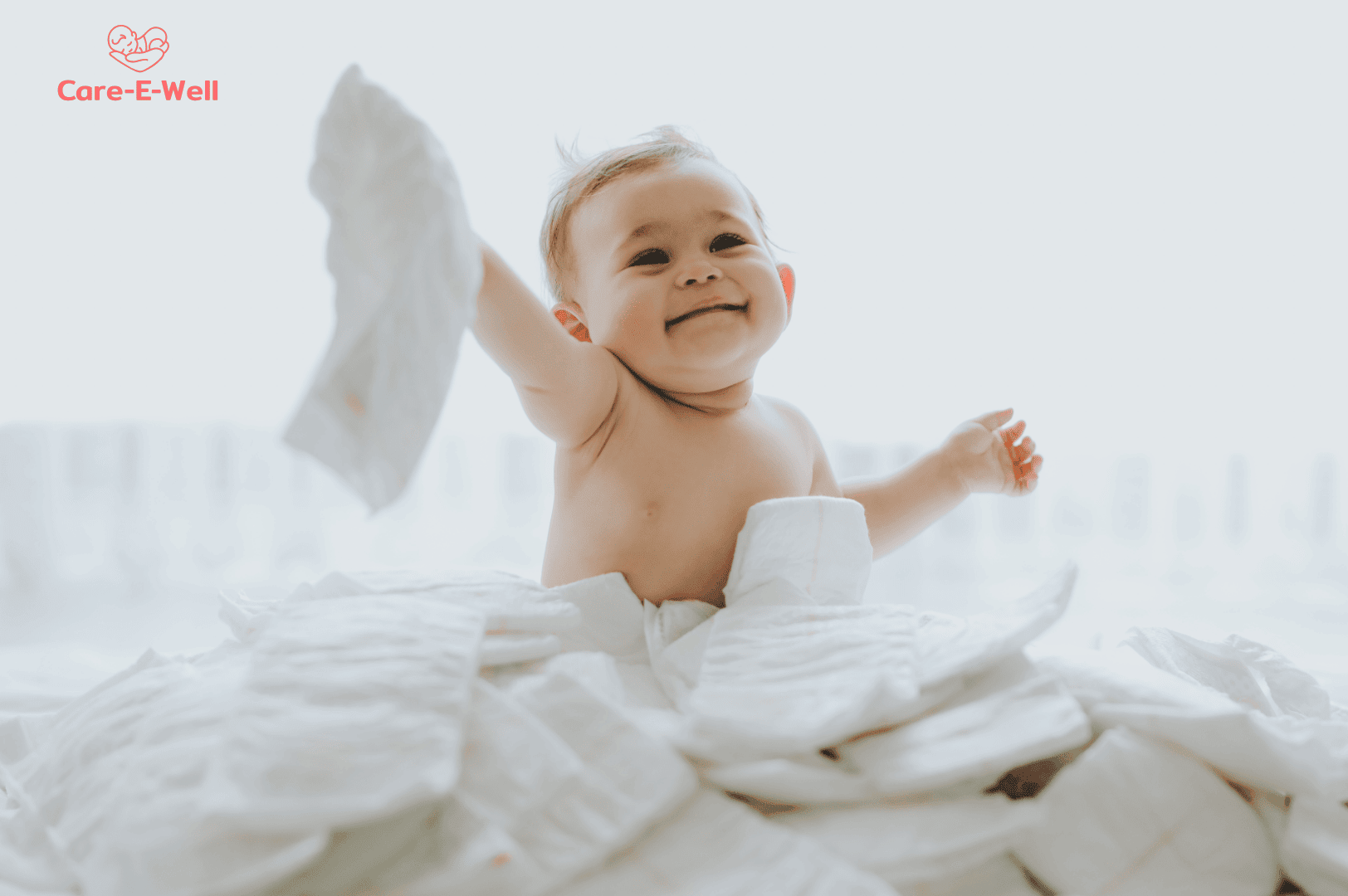
How often should you change a baby's diaper? There is no single clock-based schedule that fits every baby. Change a diaper promptly after stool and often enough after urine that the skin is not left damp or uncomfortable for long periods. Newborns usually need more frequent checks because they feed, urinate and stool often.
A practical routine is to check at natural care points—after waking, around feeds, before sleep and whenever the diaper feels full or the baby seems uncomfortable. Highly absorbent disposable diapers can hold urine without feeling wet on the surface, so the baby's skin, diaper fullness and usual output matter more than a strict two-hour rule.
Think “check regularly, change stool promptly, change urine when meaningfully wet” rather than trying to follow an exact timetable.
Is there a recommended number of diaper changes per day?
Not one universal number. UNICEF notes that newborns use many diapers each day and recommends changing the diaper when it becomes wet or soiled to help keep the baby comfortable and reduce irritation.
The number of changes depends on age, feeding pattern, stool frequency, diaper type and how much urine one diaper absorbs. A newborn who stools after several feeds may need far more changes than an older baby who stools once a day.
Counting changes is therefore less useful than watching the condition of the diaper and the baby's skin.
Should you change a diaper immediately after poop?
Yes, as soon as practical. Stool contains digestive enzymes and other irritants that can damage skin when contact is prolonged.
Clean gently, pay attention to skin folds, pat the area dry and put on a fresh diaper. If the baby has diarrhoea, checks and changes may need to be much more frequent because repeated watery stool increases moisture and irritation.
If stool is unusually bloody, white, black after the meconium stage or accompanied by illness, the priority is medical advice as well as skin care.
Do you need to change a diaper after every pee?
Not necessarily after every small urination, particularly with a modern absorbent disposable diaper. A baby may urinate more than once before the diaper becomes meaningfully full.
Change when the diaper is clearly wet, heavy, sagging, leaking or causing discomfort, and sooner if the baby has sensitive or irritated skin.
Cloth diapers usually feel wetter against the skin and often need more frequent changing than highly absorbent disposables.
How often should you check a newborn's diaper?
Frequent checks are useful because newborn output is also a clue to feeding and hydration. Wet diapers should increase as feeding becomes established, and WHO uses at least six wet disposable nappies per day after the early days as one reassuring sign of adequate breast-milk intake.
Checking around feeds is convenient, but do not turn diapering into a rigid feed-by-feed requirement. Some babies stool during or just after feeding; others do not.
If a newborn has clearly fewer wet diapers than expected, feeds poorly or is unusually sleepy, seek feeding or medical support rather than simply changing more often.

Should you change the diaper before or after feeding?
Either can work. A before-feed change can gently wake a sleepy newborn and lets you start the feed with a clean diaper.
An after-feed change may catch stool that arrives during feeding, but it can also wake a baby who has just settled. Babies who spit up easily may be more comfortable if you avoid a lot of lifting and bending immediately after a full feed.
Use the sequence that works for your baby unless your maternity or neonatal team has given a specific feeding plan.
What if the baby poops during a feed?
You do not need to interrupt the first sound of bowel movement if the baby is actively feeding and comfortable. Finish or pause the feed safely, then change the stool-filled diaper promptly.
If the baby has very frequent stool, protect the skin with gentle cleaning and, when appropriate, a simple barrier product rather than scrubbing repeatedly.
Can leaving a wet diaper on cause diaper rash?
Prolonged moisture contributes to skin maceration and increases friction, while stool is particularly irritating. Keeping the diaper area reasonably dry and reducing contact time with stool are basic preventive measures.
Diaper rash also has other causes, including friction, diarrhoea, skin sensitivity and sometimes infection. Frequent changes help, but they do not prevent every rash.
If the rash is severe, blistered, weeping, spreading or not improving with simple care, seek professional advice.
What about a baby with sensitive skin or an existing rash?
Change more promptly when the diaper becomes wet and immediately after stool. Use gentle cleansing and minimise rubbing.
Let the skin dry before closing the fresh diaper. A barrier ointment can be useful for irritant rash or frequent stools, but avoid layering multiple fragranced products or treatments without a clear reason.
A newborn with rapidly worsening rash, open sores, pus, fever or poor feeding needs medical assessment.
How do diaper types change the routine?
Disposable diapers vary in absorbency, fit and how they distribute urine. Some remain dry-feeling against the skin even when they contain a substantial amount of urine.
Cloth diapers generally provide less separation between urine and skin, so many families change them sooner. Reusable systems also differ depending on inserts and covers.
No diaper type removes the need to change stool promptly or monitor the skin.
Do wetness indicators matter?
They can be convenient, especially with newborns, but they are not a medical monitor. The indicator tells you that moisture reached a strip; it does not measure hydration or tell you whether the baby has produced enough urine over 24 hours.
Feel the diaper, look at its fullness and pay attention to the baby's output pattern rather than relying only on the line.
Should you change a diaper every time the baby wakes?
Check it, but a change is not automatically necessary. If the diaper is only lightly wet, the skin is healthy and the baby is comfortable, an immediate change may not add much.
Stool, leakage, a very full diaper or irritated skin are stronger reasons to change. For newborns, a diaper check also gives you useful information about feeding and hydration.
What about changes before naps?
A clean or reasonably dry diaper before a longer sleep period can reduce the chance that the baby wakes from discomfort or leaks.
If the diaper was changed only recently and is still barely wet, another routine change may be unnecessary. Avoid waking a settled baby simply to satisfy a timetable unless your baby's medical or feeding plan requires it.
How often should diapers be changed at night?
Night changes depend on age, stool, skin and how full the diaper is. A stool-filled, leaking or very full diaper should be changed. A lightly wet highly absorbent diaper in a sleeping baby does not always need immediate changing.
Newborns wake frequently for feeding, so night feeds are a natural time to check. Older babies with healthy skin may need fewer urine-only changes overnight.
Keep nighttime changes calm and efficient, then return the baby to a safe sleep surface.
How can you make frequent newborn changes easier?
- keep diapers, cloths or wipes and spare clothes within reach
- prepare the clean diaper before opening the dirty one
- use a washable changing mat
- keep lighting soft for night changes
- clean gently instead of repeatedly scrubbing
- pat rather than rub the skin dry
- restock the changing area before supplies run out
Never leave a baby unattended on a raised changing table, bed or sofa while reaching for supplies. UNICEF specifically identifies changing tables, beds and sofas as fall risks for babies.

What if the baby hates diaper changes?
Many babies dislike being undressed, cold or interrupted. Warm hands, a calm voice and having everything ready can shorten the uncomfortable part.
If crying is new or extreme, check for rash, tight elastic, constipation, genital irritation or another source of pain. Persistent distress deserves assessment rather than being dismissed as a dislike of diapering.
Can you change too often?
Frequent changing itself is not harmful when cleaning is gentle. The bigger problem can be the repeated wiping, rubbing and product exposure that accompanies unnecessary changes.
If the diaper is nearly dry, avoid scrubbing the skin each time. When a change is needed, use simple gentle cleansing and minimise friction.
When should diaper output prompt medical advice?
Diaper changes are not only a hygiene routine in the newborn period; output provides health information.
Seek prompt advice if a newborn has markedly fewer wet diapers, around eight hours without urine, persistent watery diarrhoea, blood in stool, white or very pale stool, repeated vomiting, poor feeding, unusual sleepiness or looks unwell.
WHO and UNICEF recommend postnatal monitoring because feeding problems and changes in activity can be early signs that a newborn needs additional care.
How should you change a diaper safely?
- Prepare everything before placing the baby on the changing surface.
- Keep one hand near the baby throughout the change.
- Remove the dirty diaper and clean stool from the skin and folds gently.
- Pat visible moisture away.
- Check for redness, broken skin or pressure marks.
- Fasten the clean diaper snugly without obvious tightness.
- Dispose of the used diaper and wash your hands.
A well-organised routine is faster, calmer and safer than leaving the baby to search for wipes or clothing.
Frequently asked questions
Should I change my baby's diaper every two hours?
Not by the clock alone. Check regularly, change stool promptly, and change urine when the diaper is meaningfully wet, full or uncomfortable.
Do newborns need more changes than older babies?
Usually, because they feed and eliminate frequently and their output is useful for monitoring feeding and hydration.
Can I wait after a poop if the baby is asleep?
Stool should be changed promptly because prolonged contact is more irritating to the skin than urine alone.
Should I change before every feed?
No. It is a convenient routine for some families, not a requirement. Before or after feeding can both work.
Does a full diaper always mean the size is too small?
No. It may simply be time for a change. Recurrent leaks, deep pressure marks or poor coverage suggest a separate fit issue.
The key takeaway
How often should you change a baby's diaper? There is no universal schedule. Check regularly, change stool as soon as practical and change urine often enough to keep the baby comfortable and the skin from staying damp for long periods. Newborns need frequent checks, while older babies in highly absorbent diapers may go longer between urine-only changes. Let output, skin condition, comfort and diaper fullness guide the routine.
Sources and References
- UNICEF Uruguay — Cuidados del recién nacido: 10 consejos
- World Health Organization — Caring for a newborn
- World Health Organization — Breastfeeding: Questions and answers
- UNICEF Parenting — Newborn baby health: Mini Parenting Master Class
- UNICEF Parenting — Newborn health warning signs
- UNICEF Parenting — How to babyproof your home
- World Health Organization Regional Office for Europe — Newborn health
- World Health Organization — WHO recommendations on maternal and newborn care for a positive postnatal experience
- World Health Organization — Essential newborn care course, second edition
Did this Insight help?
A little love for something worth reading.


