
Care-E-Well Insights
Hypothermia in Babies and Children: Signs and First Aid
Hypothermia in babies and children: learn early signs, safe warming steps and when cold exposure needs emergency medical care.
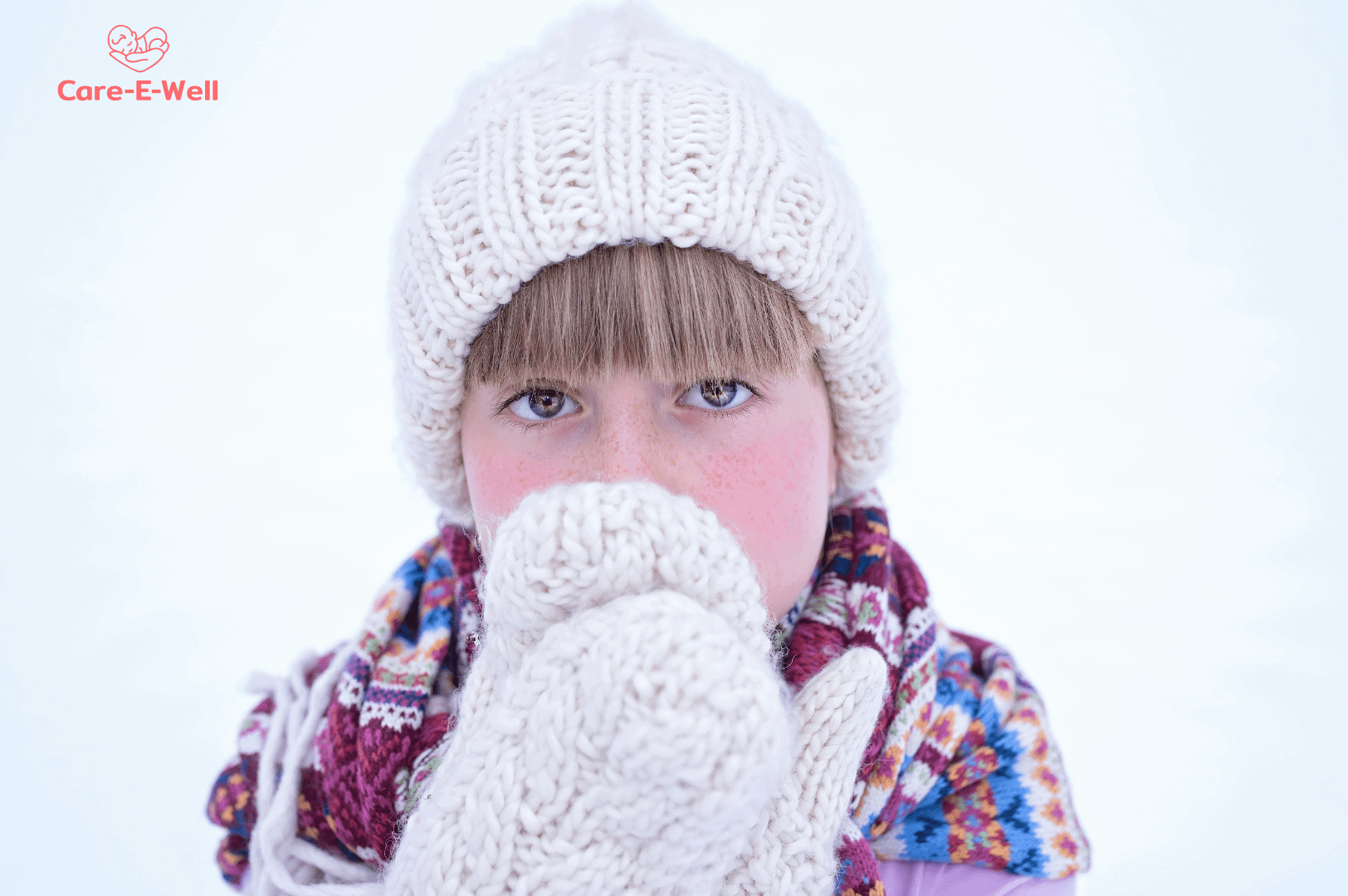
Hypothermia in babies and children means the body is losing heat faster than it can replace it. Mild cold stress may begin with shivering, cold skin, tiredness and clumsiness. More severe hypothermia can cause slowed thinking, unusual sleepiness, confusion, reduced responsiveness, abnormal breathing and eventually cardiac arrest.
First aid starts by stopping further heat loss. Move the child out of wind, rain or cold water, remove wet clothing when practical, dry them, add warm dry layers and insulate them from the ground. If the child is confused, difficult to wake, not shivering despite being very cold, breathing abnormally or has had significant cold-water immersion, call emergency services.
A very cold child with reduced consciousness, abnormal breathing, collapse or severe weakness needs emergency care. Handle them gently, prevent further heat loss and monitor breathing continuously.
Why do babies and young children cool down faster?
Children have a larger body-surface area relative to their body mass than adults, so they can lose heat more quickly. Infants also depend heavily on caregivers for clothing, shelter and temperature control and cannot describe early symptoms such as numbness or dizziness.
Newborns have specialised heat-producing mechanisms, including brown fat, but these do not make them immune to cold stress. Premature, low-birth-weight, unwell or exhausted babies can be especially vulnerable.
A baby who feels cold and is unusually sleepy, feeding poorly or less responsive should be assessed more cautiously than an older child who can clearly describe how they feel.
What counts as hypothermia?
Clinically, hypothermia generally refers to a core body temperature below the normal range, commonly below 35°C in older children and adults. However, home thermometers and peripheral readings can be inaccurate in a cold child.
Parents should respond to the whole situation rather than relying on one number. Significant cold exposure plus confusion, reduced consciousness, abnormal breathing or severe weakness is enough to justify urgent action.
What are early signs of cold stress or mild hypothermia?
- shivering
- cold, pale skin
- numb fingers or toes
- tiredness
- clumsiness or reduced coordination
- irritability
- slower speech or thinking
- reduced interest in play
- hunger or thirst after prolonged exposure
In mild hypothermia the child is usually awake, able to communicate and still shivering. Shivering is the body’s attempt to produce heat. A child who is very cold but stops shivering while becoming drowsy or confused may be getting worse, not better.
What signs suggest more severe hypothermia?
- confusion or unusual behaviour
- marked drowsiness or difficulty waking
- slurred speech
- inability to walk normally
- weak or absent shivering despite severe cold
- slow or abnormal breathing
- very slow pulse
- collapse
- loss of consciousness
Severe hypothermia can slow breathing and circulation dramatically. Do not assume a very cold, unresponsive child is beyond help; call emergency services and follow resuscitation instructions.
What should you do first for a cold child?
- Move the child into shelter or the warmest safe environment available.
- Protect them from wind, rain, snow and cold surfaces.
- Remove wet clothing when this can be done without excessive delay or exposure.
- Dry the child and replace wet layers with warm dry clothing.
- Wrap them in blankets, coats or other dry insulation, including around the head if appropriate.
- Insulate underneath the child as well as over them.
- Monitor responsiveness and breathing.
- Call emergency services for severe symptoms or significant cold-water exposure.
The goal is to stop continued cooling first. In outdoor settings, even simple insulation and getting off cold ground can make a meaningful difference while evacuation is organised.
Should you use a hot bath or direct heat?
Avoid very hot baths, heating pads, open flames or hot-water bottles directly against the skin of a significantly cold child. Cold skin may have reduced sensation, which increases burn risk, and aggressive peripheral heating can be uncomfortable or unsafe in more severe hypothermia.
For a mildly cold, fully alert child, a comfortably warm room, dry layers and blankets are appropriate. More severe hypothermia needs controlled rewarming by emergency professionals.

Is skin-to-skin contact useful for a cold baby?
Skin-to-skin contact is an established part of newborn thermal care, particularly for stable newborns and small or preterm babies. A mildly chilled, otherwise well baby can often be warmed against a caregiver’s bare chest under dry blankets in a warm environment.
Skin-to-skin care is not a substitute for urgent assessment when a baby is lethargic, feeding poorly, breathing abnormally, very cold after prolonged exposure or difficult to wake.
Should you rub cold arms and legs?
Do not vigorously rub or massage very cold limbs. Rubbing does not safely reverse core hypothermia and can damage cold-sensitive skin.
Handle a severely hypothermic child gently. Significant hypothermia can make the heart more electrically unstable, and unnecessary rough movement is best avoided while emergency care is arranged.
Can you give a warm drink?
A fully alert older child with mild cold exposure who can swallow normally may have a warm drink as part of comfort and rewarming. Do not give oral fluids to a child who is drowsy, confused, vomiting or unable to swallow safely.
Babies should continue their normal feeding plan when they are well enough to feed, rather than being given improvised warm drinks. Poor feeding in a cold baby is a reason for medical assessment.
What if the child fell into cold water?
Cold-water immersion combines hypothermia risk with drowning risk. Once the child is safely out of the water, breathing takes priority. If they are unresponsive and not breathing normally, begin CPR immediately and call emergency services.
Remove wet clothing when practical, dry the child and insulate them. A child who needed rescue breaths or CPR, was unconscious, has ongoing coughing or breathing difficulty, or remains significantly cold needs emergency assessment.
Do not delay CPR in order to warm a child who is not breathing normally after cold-water submersion. Oxygenation and circulation come first.
Does cold water ever protect the brain?
Rare reports describe good neurological recovery after prolonged cold-water submersion, especially when rapid cooling occurred before severe oxygen deprivation. This does not make cold water reliably protective and should never change prevention or delay rescue.
Because severely hypothermic children can have very slow signs of life, emergency teams may continue resuscitation and specialised rewarming in situations that would look hopeless to a bystander.
How should breathing be checked in a very cold child?
Look carefully for normal breathing. Severe hypothermia can slow respiratory rate, so the assessment may take a little more attention than usual. Gasping or irregular agonal breaths are not normal breathing.
If the child is unresponsive and not breathing normally, start age-appropriate CPR and follow emergency-dispatch instructions. Do not spend a long time trying to find a pulse if you are a lay rescuer.
What if the child is unconscious but breathing?
Keep the airway open and protect the child from further cooling. If there is no reason to suspect major trauma, place an unconscious child who is breathing normally in a stable side-lying recovery position and continue monitoring.
If a fall, diving accident or other significant trauma may have caused spinal injury, minimise unnecessary movement while maintaining the airway and following emergency-dispatch instructions.
Can hypothermia happen indoors?
Yes. Babies can become cold in poorly heated rooms, after bathing, in wet clothing or during illness. A newborn’s environment does not need to be freezing for heat loss to become significant.
Older children may also cool indoors after returning from wet outdoor play if they remain in damp clothing or become exhausted. Children with limited mobility, neurological conditions or serious illness may be less able to generate or conserve heat.
What about hypothermia during sleep?
A cool bedroom that is otherwise safe does not automatically cause hypothermia in a healthy child. The concern is a genuinely cold child with symptoms, significant environmental exposure or inadequate insulation.
For babies, avoid overheating as well as chilling. Use normal safe-sleep clothing appropriate for the room rather than piling on heavy bedding, hot-water bottles or heating devices in the sleep space.

When should you call emergency services?
- loss of consciousness
- difficulty waking or marked confusion
- abnormal, very slow or absent breathing
- collapse
- severe weakness or inability to walk
- significant cold-water immersion with respiratory symptoms
- suspected severe hypothermia after prolonged exposure
- a baby who is very cold, lethargic or feeding poorly
- hypothermia combined with major trauma
When is a medical review appropriate even if it is not an emergency?
Arrange medical advice when a child remains unusually tired, cold or unwell after rewarming, when shivering continues for a long time, when there is concern for frostbite, or when an infant has had a significant cold exposure.
A child with an underlying condition that affects temperature regulation may need a lower threshold for review and an individual prevention plan.
What does frostbite look like?
Frostbite is local cold injury rather than whole-body hypothermia. Affected skin may become numb, pale, waxy, firm or later blistered. Fingers, toes, ears and the nose are common sites.
Protect the area from refreezing and avoid rubbing it. Significant frostbite needs medical assessment because tissue damage may evolve over time.
How can families prevent hypothermia outdoors?
- dress children in dry layers appropriate for wind and temperature
- replace wet gloves, socks and clothing promptly
- use windproof outer layers when needed
- take regular warm-up breaks
- keep spare dry clothing available on longer outings
- avoid prolonged exposure when a child is exhausted or ill
- use appropriate flotation and water-safety equipment near cold water
- check babies frequently rather than assuming a pram cover is enough
Wind and wet clothing can increase heat loss substantially. A cool day can become much more hazardous when clothing is soaked or the child is exposed to strong wind.
Dryness and insulation are powerful first-aid tools. Removing the child from wind and wet conditions often matters as much as adding another layer on top.
Frequently asked questions
Does shivering mean the child is safe?
No. Shivering is a useful heat-producing response, but a child can still be hypothermic. Stopping shivering while becoming more drowsy or confused is concerning.
Should I use a hair dryer to warm a cold baby?
No. Direct hot air can burn delicate skin and does not provide controlled core rewarming. Use a warm environment, dry layers and skin-to-skin care for a stable mildly chilled baby.
Can I put a cold child in a hot shower?
For significant hypothermia, avoid sudden very hot exposure. Dry, insulate and seek emergency guidance when symptoms are severe.
What if the child says they feel fine after warming up?
A mildly chilled child who returns fully to normal may only need observation. Significant cold-water immersion, loss of consciousness, abnormal breathing or persistent symptoms still warrant medical assessment.
Is a cold baby always hypothermic?
Not necessarily. Hands and feet can feel cool while core temperature is normal. Concern rises when the chest or abdomen also feels cold or the baby is lethargic, feeding poorly or otherwise unwell.
The key takeaway
Hypothermia in babies and children is best managed by preventing further heat loss and recognising severity early. Move the child to shelter, remove wet clothing, dry them, add warm insulation and monitor breathing. Mild cold stress in an alert child may improve with simple rewarming. Confusion, reduced consciousness, abnormal breathing, collapse or severe symptoms after cold-water immersion require emergency help. Handle severely hypothermic children gently, avoid aggressive direct heat and start CPR if an unresponsive child is not breathing normally.
Sources and References
- Singer D — Pediatric Hypothermia: An Ambiguous Issue
- Nemeth J, Alameddine L, El Tawil C — Just the facts: environmental pediatric hypothermia
- Hewett Brumberg EK, Douma MJ, Alibertis K, et al. — 2024 American Heart Association and American Red Cross Guidelines for First Aid
- Zideman D, Singletary EM, Borra V, et al. — European Resuscitation Council Guidelines 2021: First aid
- Davis CA, Schmidt A, Sempsrott J, et al. — Wilderness Medical Society Clinical Practice Guidelines for the Treatment and Prevention of Drowning: 2024 Update
- Schmidt A, Sempsrott J, Hawkins SC, et al. — Wilderness Medical Society Clinical Practice Guidelines for the Treatment and Prevention of Drowning: 2019 Update
- Kříž D, Piantino J, Fields D, et al. — Pediatric Hypothermic Submersion Injury and Protective Factors Associated with Optimal Outcome
- Bird F, House J, Tipton M — Adaptation of the Cold Shock Response and Cooling Rates on Swimming Following Repeated Cold-Water Immersions in Children
- Nemeth M, Miller C, Bräuer A — Perioperative Hypothermia in Children
Did this Insight help?
A little love for something worth reading.


