
Care-E-Well Insights
Insect Stings and Bites: First Aid and Warning Signs
Insect stings and bites in children: learn first aid, anaphylaxis warning signs, tick removal and when urgent medical help is needed.
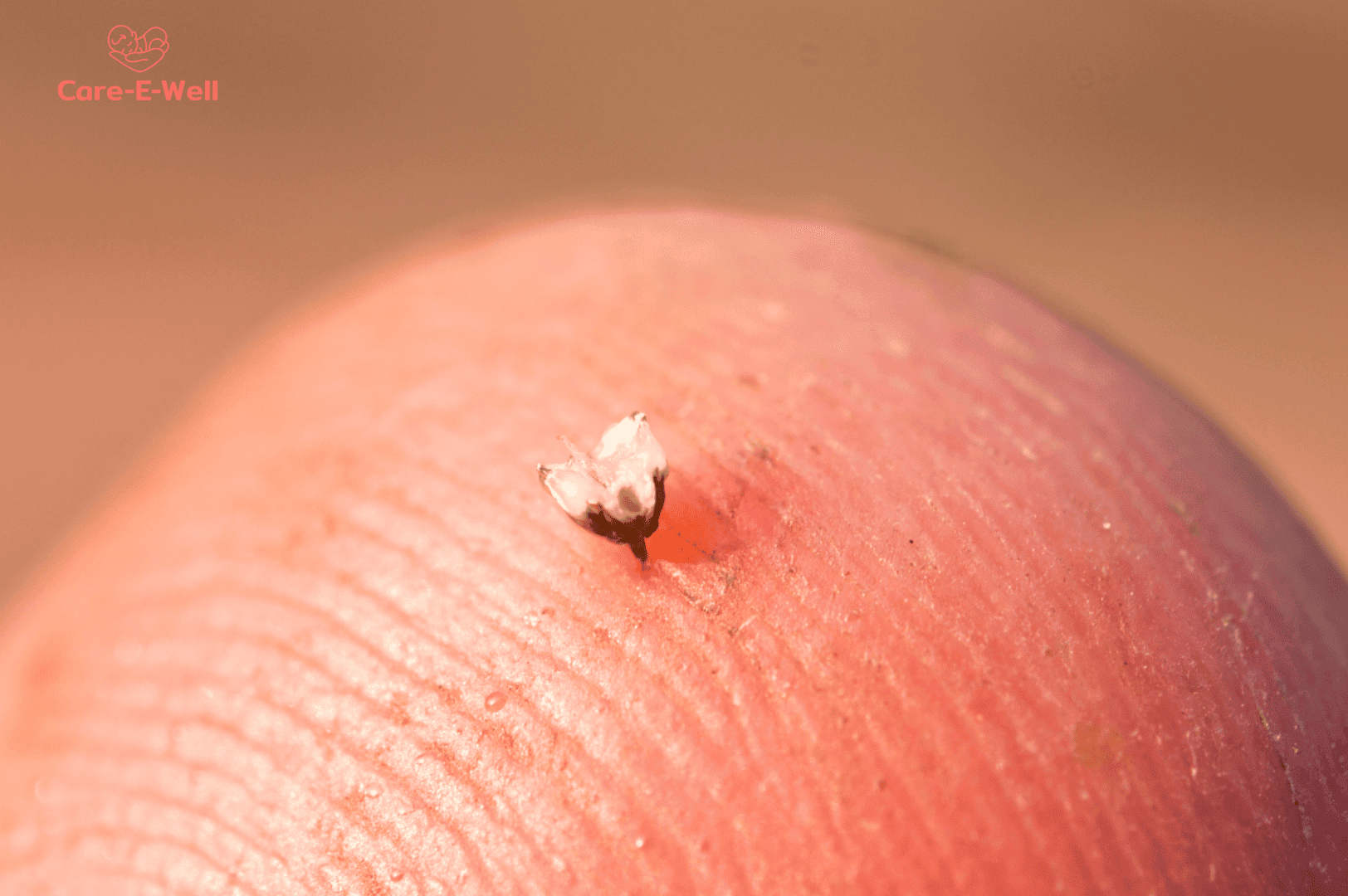
Most insect stings and bites in children cause a local reaction: pain, redness, itching or swelling around the site. The first steps are usually simple—move the child away from the insect, remove a visible bee stinger promptly, clean the skin and use a cool compress for comfort. The important part is watching for symptoms that spread beyond the sting or bite site.
A rapidly developing allergic reaction is different. Breathing difficulty, throat or tongue swelling, collapse, marked dizziness or widespread allergic symptoms can signal anaphylaxis. If the child has a prescribed adrenaline auto-injector and their emergency plan indicates its use, give it promptly and call emergency services. Antihistamines may help itching or hives, but they do not replace adrenaline in anaphylaxis.
Local swelling can look dramatic without being anaphylaxis. What changes urgency is not swelling size alone, but breathing, circulation, consciousness and symptoms affecting more than the local sting or bite area.
What should you do first after an insect sting?
Move the child to a safe place so further stings are less likely. Wasps and some other stinging insects can sting repeatedly, so leaving the immediate area matters before you focus on the skin.
- Check how the child is breathing and behaving.
- Look for a retained stinger if a bee sting is possible.
- Remove a visible stinger promptly.
- Wash the area gently with soap and clean water.
- Apply a wrapped cool pack or cool compress for short periods to reduce discomfort and swelling.
- Watch the child for symptoms away from the sting site or signs of a rapidly worsening reaction.
Research and first-aid guidance emphasise speed of stinger removal. Do not spend precious time debating whether scraping or tweezers is the perfect method; remove the stinger as quickly and gently as practical.
How should a bee stinger be removed?
Honey bees may leave a barbed stinger in the skin. If you can see it, remove it promptly by scraping it sideways with a firm edge or lifting it with tweezers. Avoid squeezing a visible venom sac unnecessarily, but do not delay removal because you are worried about technique.
Wasps, hornets and many other stinging insects usually do not leave a stinger behind. If there is nothing visible in the skin, repeated digging with a needle or tweezers is more likely to injure the skin than help.
What is a normal local reaction?
A small area of pain, warmth, redness, itching and swelling around a sting or bite is common. Some children develop a larger local reaction that expands over several hours and can involve much of a hand, foot or limb.
A large local reaction can be uncomfortable and alarming, but it is not automatically anaphylaxis. The child should still be observed for systemic symptoms, particularly if they have a history of serious insect allergy.
Keep the skin clean and discourage scratching. A cool compress can reduce discomfort. Age-appropriate medicines for pain or itch may be useful, but product choice and dosing should follow the child’s clinician, pharmacist or medicine instructions rather than a generic internet dose.

What signs suggest anaphylaxis after a sting or bite?
Anaphylaxis is a serious systemic allergic reaction that can progress quickly. Skin symptoms are common but are not required; a child can have severe breathing or circulatory symptoms without obvious hives.
- noisy or difficult breathing
- wheeze, persistent cough or chest tightness
- swelling of the tongue or throat
- difficulty speaking or swallowing
- hoarse voice or stridor
- collapse, faintness or marked weakness
- pale, floppy or unusually unresponsive behaviour in a young child
- widespread hives or swelling combined with breathing, circulation or significant gastrointestinal symptoms
If anaphylaxis is suspected, use the child’s prescribed adrenaline auto-injector immediately according to their action plan and call emergency services. Do not wait to see whether an antihistamine works.
Is swelling of the lips or eyelids always an emergency?
Swelling around the eyes or lips can occur as part of an allergic reaction, but urgency depends on the whole picture. Isolated mild swelling in a comfortable child who is breathing normally is different from rapidly increasing facial swelling with tongue, throat, breathing or circulation symptoms.
When swelling is progressing quickly, involves the mouth or throat, or occurs with breathing difficulty, vomiting, collapse or altered responsiveness, treat it as potentially serious and seek emergency help.
What if the sting is inside the mouth or throat?
A sting inside the mouth or throat deserves urgent medical assessment because local swelling can narrow the airway even without a classic systemic allergic reaction. The same applies to rapidly increasing swelling of the tongue or neck.
Call emergency services for a sting in the mouth or throat if there is any breathing difficulty, drooling, voice change, trouble swallowing, tongue swelling or rapidly increasing swelling.
When are multiple stings more concerning?
Numerous stings can deliver a larger venom load and cause toxic effects even in a child who is not allergic. The risk depends on the insect, number of stings, child’s size, symptoms and medical history.
Seek urgent medical advice after many stings, especially in a small child, or if there is vomiting, headache, weakness, extensive swelling, breathing symptoms, dizziness, confusion or reduced responsiveness.
What should you do after a mosquito or other uncomplicated insect bite?
Wash the area, avoid scratching and use a cool compress for itch or swelling. Most uncomplicated bites settle without specific treatment.
Scratching can break the skin and increase the chance of secondary bacterial infection. Keep fingernails short and watch for redness that becomes progressively more painful, warm or swollen rather than simply itchy.
How do you remove an attached tick?
Tick bites differ from ordinary insect bites because some ticks can transmit infection. Evidence comparing removal techniques is limited, but systematic reviews and clinical guidance favour prompt mechanical removal with fine-tipped tweezers or a purpose-designed tick-removal device.
- Grasp the tick as close to the skin surface as possible.
- Pull upward with steady, even traction.
- Avoid twisting, crushing or repeatedly squeezing the tick.
- Clean the bite area and your hands afterward.
- Note when and where the tick exposure occurred.
Do not coat an attached tick with petroleum jelly, nail polish, fuel or other household substances, and do not burn it with a match. These methods can delay effective removal and may increase manipulation of the tick.
Tick-borne disease risks vary greatly by country, region, tick species and duration of attachment. If a child develops an expanding rash, fever, unusual headache, marked fatigue, facial weakness, joint symptoms or another concerning illness after a tick bite, seek medical advice and mention the exposure.
Should a tick be tested after removal?
Practices differ by region. In many places, clinical management depends more on the child’s symptoms, local epidemiology and the circumstances of the bite than on routine testing of the tick itself.
If your local health service recommends saving the tick for identification, place it in a closed container without handling it unnecessarily. Do not delay medical care while trying to identify the species at home.
What if you think it was a spider bite?
Many red, painful skin lesions are blamed on spiders without a spider ever being seen. Skin infection, other arthropod bites and inflammatory conditions can look similar.
Clean the area and use a cool compress for a mild local reaction. Seek urgent medical care for severe pain, rapidly spreading symptoms, muscle spasms, repeated vomiting, breathing difficulty, collapse, altered consciousness or a child who looks significantly unwell.
If the spider was safely seen or photographed, that information may help. Do not put yourself at risk trying to catch it.
What signs suggest the bite or sting is becoming infected?
- redness that is expanding and increasingly painful
- increasing warmth or swelling after the initial reaction should be settling
- pus or cloudy drainage
- red streaking away from the site
- fever with a worsening skin lesion
- increasing tenderness rather than itch alone
Infection does not usually develop immediately after a bite. Redness and swelling in the first hours may simply be the inflammatory or allergic response. A clinician can distinguish these patterns when the progression is unclear.

Should you use antihistamines or steroid creams?
Antihistamines can reduce itch and hives in some mild allergic reactions, and topical treatments may help selected local reactions. However, age limits, formulations and doses differ. Use a medicine suitable for the child and follow professional or product-specific instructions.
Antihistamines and corticosteroids are not substitutes for adrenaline when a child has anaphylaxis. Do not delay adrenaline while looking for an antihistamine.
What if the child has had a severe sting reaction before?
Children with a previous systemic reaction to bee, wasp or other insect venom should have an individual allergy plan. Depending on the history, this may include carrying adrenaline auto-injectors, training caregivers and referral to an allergy specialist.
Venom immunotherapy can reduce the risk of future systemic reactions in appropriately selected patients. That decision belongs with an allergy specialist after assessment of the child’s history and likely culprit insect.
A past serious reaction changes planning. Make sure the child’s current emergency plan and auto-injectors travel with them to school, childcare, parks and holidays.
When should you seek urgent medical help?
- any signs of anaphylaxis
- breathing difficulty, wheeze, stridor or throat/tongue swelling
- collapse, faintness, marked lethargy or altered responsiveness
- a sting inside the mouth or throat with swelling or swallowing symptoms
- many stings, especially in a small child
- rapidly worsening facial swelling
- severe systemic symptoms after a suspected spider or other arthropod bite
- a child who looks seriously unwell for any reason
When can you arrange a non-emergency medical review?
Medical review is useful when swelling is unusually extensive or persistent, the bite is becoming infected, a tick cannot be completely removed, the child develops a rash or illness after a tick bite, or you are unsure what caused a significant reaction.
A child who has had a systemic allergic reaction should also be reviewed after the acute episode so future risk, emergency medication and specialist referral can be addressed.
Frequently asked questions
Does a large swollen hand mean my child is having anaphylaxis?
Not necessarily. Large local reactions can cause substantial swelling around a sting. Anaphylaxis is suggested by systemic symptoms such as breathing difficulty, throat swelling, collapse or symptoms affecting several body systems.
Should I scrape a bee stinger or use tweezers?
Remove it promptly. Both approaches can work. Speed matters more than spending time choosing a perfect technique.
Can I give an antihistamine first and see what happens?
For mild local itch or hives, an antihistamine may help. If anaphylaxis is suspected, adrenaline is the first-line treatment and should not be delayed.
Should I squeeze a mosquito bite to remove venom?
No. Mosquito bites do not contain a removable venom deposit. Squeezing and scratching simply irritate the skin.
When should a tick bite be checked?
Seek advice if removal is difficult, the child develops an expanding rash, fever or other illness, or local public-health guidance recommends assessment because of the exposure circumstances.
The key takeaway
Most insect stings and bites in children need simple local care, but parents should know the warning signs that change the situation. Remove a bee stinger promptly, clean the area and use a cool compress. Remove attached ticks mechanically with fine-tipped tweezers rather than household remedies. Breathing difficulty, throat or tongue swelling, collapse or other signs of anaphylaxis require immediate adrenaline when prescribed and emergency help. Multiple stings, mouth or throat stings, severe systemic symptoms and worsening infection also need medical assessment.
Sources and References
- Ioannidis P, Clucas W — First Aid Guidelines for Bites and Stings: Educational Approach & Adaptation
- Tan J, Campbell DE — Insect allergy in children
- Przybilla B, Ruëff F — Insect Stings
- Järvinen KM — Allergic Reactions to Stinging and Biting Insects and Arachnids
- Clifford D, ní Chaoimh C, Stanley E, et al. — A longitudinal study of hymenoptera stings in preschool children
- Bilò MB, Bonifazi F — The natural history and epidemiology of insect venom allergy: clinical implications
- O’Neil ME, Mack KA, Gilchrist J — Epidemiology of Non-Canine Bite and Sting Injuries Treated in U.S. Emergency Departments, 2001–2004
- Huygelen V, Borra V, De Buck E, et al. — Effective methods for tick removal: A systematic review
- Carbone G, De Bona A, Septelici D, et al. — Beyond Mosquitoes: A Review of Pediatric Vector-Borne Diseases Excluding Malaria and Arboviral Infections
- Sturm GJ, Boni E, Antolín-Amérigo D, et al. — Allergy to stings and bites from rare or locally important arthropods
Did this Insight help?
A little love for something worth reading.


