
Care-E-Well Insights
How to Make Diaper Changes Easier for a Baby Who Hates Them
Make diaper changes easier for a baby who hates them with safer setups, simple distractions, responsive care and checks for pain.
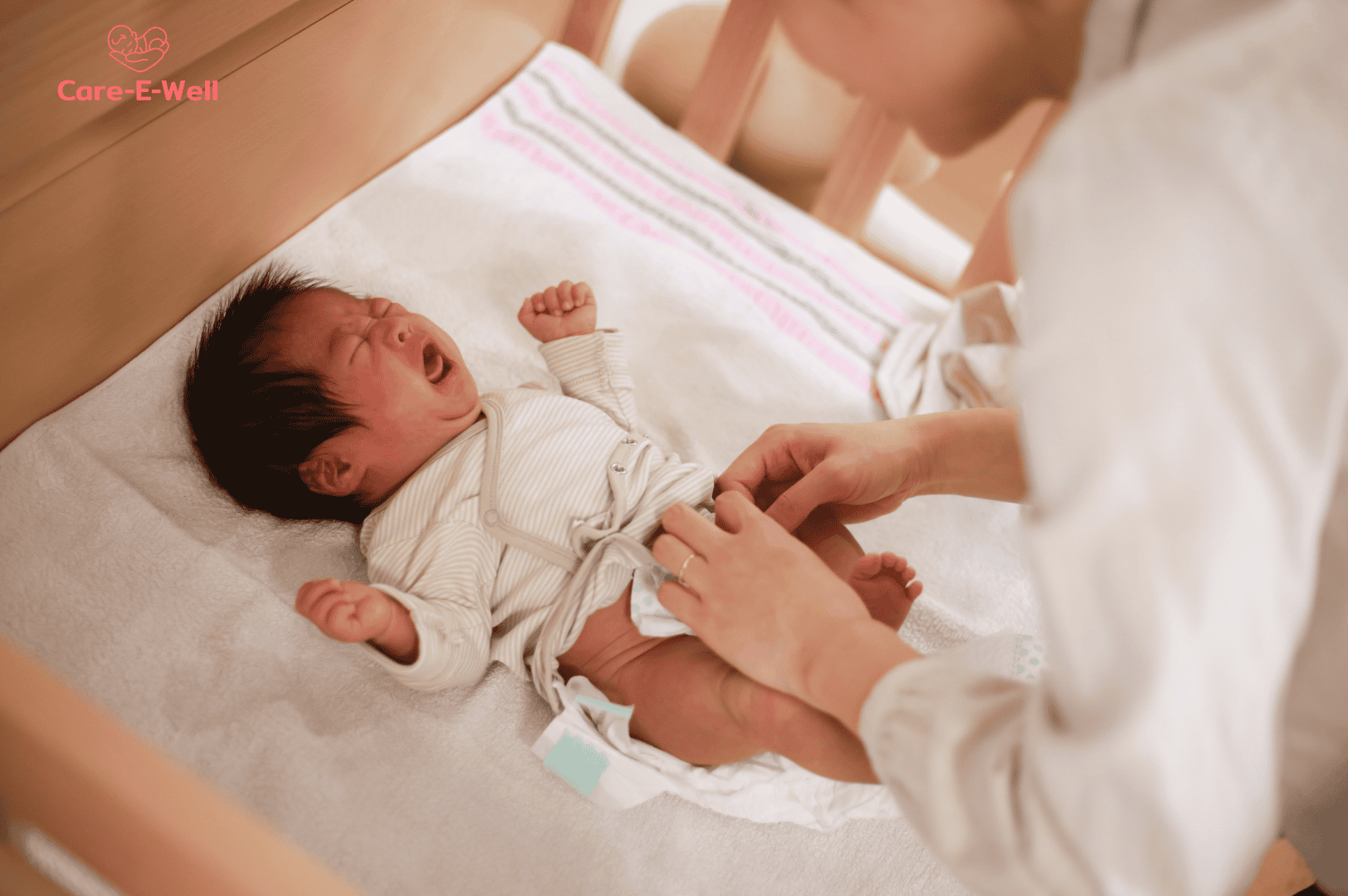
If your baby suddenly cries, arches, rolls away or fights every diaper change, the first step is not to “win” the change faster. Work out what may be making the routine unpleasant. Cold wipes, hunger, tiredness, being interrupted during play, sore skin, a tight diaper or simply disliking being held still can all contribute.
The most useful approach is usually preparation plus responsive caregiving: have everything ready, keep the change brief, talk to your baby, offer a simple distraction, give older babies small choices and pause when you can safely do so. If the distress looks like pain rather than frustration, check the skin and genital area and consider whether medical advice is needed.
A difficult diaper change is often easier when the baby knows what is happening, the adult is prepared and the routine is comfortable rather than rushed.
Why do some babies suddenly hate diaper changes?
Babies change quickly. A newborn may tolerate lying still, while a six- or nine-month-old may strongly prefer rolling, crawling or exploring. A diaper change interrupts that activity and briefly limits movement.
Other common reasons include being cold, hungry or overtired, having a rash, reacting to a product, feeling discomfort from constipation or diarrhoea, or disliking a particular changing position.
Responsive caregiving means noticing the baby's signals and responding appropriately. WHO describes responsive care as tuning into signals such as facial expressions, crying, movements and sounds, then responding to the child's needs. A diaper change is an everyday opportunity to use that principle.
Start by checking whether the baby is in pain
Before treating the problem as behaviour, look at the diaper area. Check for redness, broken skin, swelling, discharge, pressure marks, a hair or thread wrapped around a toe or genital area, and anything that seems unusually tender.
Notice whether crying happens only when the skin is wiped, when the legs are lifted, when urine touches the skin, or throughout the whole change. A predictable pain response offers a different clue from a baby who laughs until the moment you stop them from rolling.
Seek medical advice for severe rash, blisters, open sores, pus, marked genital swelling, difficulty urinating, blood in urine or stool, fever, significant pain, unusual sleepiness, poor feeding or a baby who looks unwell.
Prepare everything before you start
- a clean diaper
- wipes or lukewarm water and a soft cloth
- barrier cream if needed
- clean clothes if a change may be necessary
- a disposal bag or diaper bin
- one small safe toy or distraction
Preparation matters because leaving the baby mid-change creates both frustration and a fall risk. Once the baby is on a changing surface, keep one hand available to secure them and never step away.
Is the changing table still the best place?
For a very mobile baby, a floor-level changing mat can be easier and safer than a raised changing table. Rolling and twisting are less stressful when a fall is no longer the main concern.
Use a clean, washable mat with enough space around it. Keep creams, wipes and disposal bags out of the baby's reach even when they are within yours.
Floor changing does not mean the baby can crawl away covered in stool. It simply gives you a safer environment in which to manage movement calmly.

Make the routine predictable
Babies do not understand the full reason for a diaper change, but they can learn the sequence. Use the same short phrase before you begin, such as “diaper time,” then follow a familiar pattern.
- Tell the baby what is about to happen.
- Move to the changing area.
- Give the baby the usual safe toy or song.
- Remove the diaper and clean efficiently.
- Put on the fresh diaper.
- Celebrate completion with a cuddle or return to play.
Predictability can reduce the surprise of being picked up and laid down without warning.
Talk to your baby during the change
Narrating what you are doing can make the change feel more social and less like restraint. Use simple language: “I'm opening your diaper,” “now I'm cleaning,” “fresh diaper next.”
WHO nurturing-care guidance emphasizes responsive interactions, eye contact, talking and responding to a child's signals. These interactions support security and learning during ordinary care routines.
You do not need to perform constantly. A calm voice and brief eye contact can be enough.
Use one safe distraction, not a pile of objects
A small washable toy, board book, teether or song can occupy the baby's attention long enough to complete the change. Keep the item reserved for diaper time if novelty helps.
Avoid handing the baby creams, wipes packets, plastic bags, cords, batteries, phones with loose accessories or other objects that are not intended as toys.
If the baby throws the toy, do not turn the change into repeated retrieval. Keep the routine simple.
What if the baby keeps rolling over?
Rolling is a normal developmental skill, not misbehaviour. On a floor mat, let the baby roll briefly while you are still in a clean stage of the change, then gently guide them back when you need access to the diaper area.
During a stool change, keep one hand controlling the pelvis or thighs as needed so contamination does not spread. Avoid forcefully pinning the baby's shoulders or using painful restraint.
For an older baby, handing them a toy before opening the diaper often works better than trying to introduce distraction after they are already upset.
Give older babies small choices
Choice can reduce resistance when a baby or young toddler wants more control. Offer two safe options rather than asking a question with an impossible “no” answer.
- “Blue diaper or white diaper?”
- “Book or teether?”
- “Change on the mat or on the towel?”
- “Song first or after?”
The diaper still needs to be changed, but the child can participate in how the routine happens.
Let the baby help
Older babies can hold the clean diaper, lift a foot, pull a wipe from an adult's hand or put the old diaper into a bin after it has been closed safely.
Participation turns the routine into cooperation rather than something done entirely to the child. Keep expectations age-appropriate and do not hand over soiled items.
What if wipes are cold?
Some babies react strongly to a cold wipe, especially at night. You do not need a special warming device. Holding the wipe briefly in your clean hand or using lukewarm water and a soft cloth may make cleaning more comfortable.
Avoid hot water or wipes that feel warm enough to risk burning. The goal is simply to avoid a startling cold sensation.
Could the diaper itself be uncomfortable?
Yes. A diaper that is too small can leave deep marks, pull tightly across the abdomen or compress the thighs. A diaper that is too large can sag, leak and rub.
Check that the waistband is secure without digging in, the bottom is fully covered and the leg openings seal without pressure. If resistance started soon after a size or brand change, reassess fit.
Could diaper rash be making changes painful?
Sore skin can sting when wiped or when urine and stool touch it. Simplify the routine with prompt changes, water or a well-tolerated wipe, gentle patting and a simple barrier product when useful.
Do not scrub irritated skin to remove every trace of barrier cream. If a rash is persistent, spreading or unusual, seek professional assessment rather than adding more products.
What if the baby screams only during poop changes?
Stool changes usually require more cleaning, lifting and time, so a baby with irritated skin may find them more uncomfortable. Frequent loose stools can also make the skin raw.
Use enough water to loosen stool and reduce rubbing. Change stool promptly so it does not sit against already irritated skin.
If bowel movements themselves are painful, hard or associated with blood, discuss the pattern with a healthcare professional rather than assuming the baby simply hates diaper changes.
What if the baby cries when the legs are lifted?
Some babies dislike having both ankles lifted high. Instead, gently roll the hips to one side and then the other to clean beneath the bottom, or lift the pelvis only as much as necessary.
New, intense pain with movement, persistent crying when one hip or leg is moved, swelling or reduced movement needs medical assessment.

Should you rush through every difficult change?
Efficient is helpful; frantic is not. Rushing can increase rough wiping, missed stool in folds and accidental falls.
If the diaper is clean enough that you can safely pause for a few seconds, stop, reconnect with the baby, then continue. During a messy stool change, finish the essential cleaning first.
Make the change more comfortable for sensitive babies
- warm your hands first
- use lukewarm water if wipes sting
- keep the room comfortably warm
- avoid unnecessary stripping
- reduce strong fragrances
- use soft lighting at night
- choose a floor mat for mobile babies
- keep the routine short and predictable
Small environmental changes can remove several triggers at once.
Safety matters more than cooperation
Never leave a baby unattended on a changing table, bed, sofa or other raised surface, even if they have never rolled before.
Keep one hand near the baby when reaching for supplies. If you need to leave the area, pick the baby up or place them safely on the floor or in another appropriate safe space first.
Do not use straps, improvised restraints or objects placed across the baby's body to prevent rolling.
When should difficult diaper changes prompt medical advice?
- severe or rapidly worsening diaper rash
- blisters, open sores, pus or marked swelling
- significant pain when urine or stool touches the skin
- difficulty or pain when urinating
- blood in urine or stool
- hard painful stools or persistent bowel difficulty
- one leg or hip seems painful to move
- genital swelling or discharge
- fever, poor feeding or unusual sleepiness
- a baby who looks generally unwell
Behaviour can communicate discomfort before a baby can point to the problem. Persistent distress that seems painful deserves attention.
Frequently asked questions
Is it normal for an older baby to fight diaper changes?
Yes. Increased mobility and a desire to keep playing commonly make lying still less appealing. Use a safe floor setup, distraction and participation.
Should I hold my baby down?
Use only the gentle control needed to complete hygiene safely. Avoid forceful restraint. Change the environment and technique first.
Can I let my baby crawl away between diapers?
During a clean urine-only change, a short supervised floor-level pause may be practical. During stool changes, clean first to prevent contamination.
What is the best distraction?
A simple safe toy, song, book or face-to-face interaction that reliably holds your baby's attention without creating another safety problem.
What if the baby cries every time I wipe?
Check for rash or broken skin and try lukewarm water with a soft cloth. Persistent pain, severe redness or other symptoms needs assessment.
The key takeaway
How to make diaper changes easier for a baby who hates them starts with understanding the reason for resistance. Prepare supplies, use a safe floor-level setup for mobile babies, make the routine predictable, talk to your baby, offer a simple distraction and involve older babies in small ways. Keep cleaning gentle and diaper fit comfortable. If the baby seems to be in pain, has severe rash, urinary difficulty, swelling, blood, fever or other signs of illness, treat the distress as a health clue rather than a behaviour problem.
Sources and References
- World Health Organization — Nurturing care for early childhood development
- World Health Organization — Improving early childhood development
- World Health Organization — Helping children learn, be happy and thrive
- World Health Organization and UNICEF — Nurturing care for every newborn: thematic brief
- World Health Organization and UNICEF — Nurturing care practice guide
- World Health Organization — Caring for a newborn
- World Health Organization — Essential newborn care
- World Health Organization — Keeping newborns and children under 5 years clean and safe
- UNICEF Parenting — Newborn health warning signs
- UNICEF Uruguay — Cuidados del recién nacido: 10 consejos
Did this Insight help?
A little love for something worth reading.


