
Care-E-Well Insights
Potty Training: Complete Step-by-Step Guide for Parents
A calm step-by-step potty training guide covering readiness, routines, accidents, resistance, rewards, regression and when to pause.
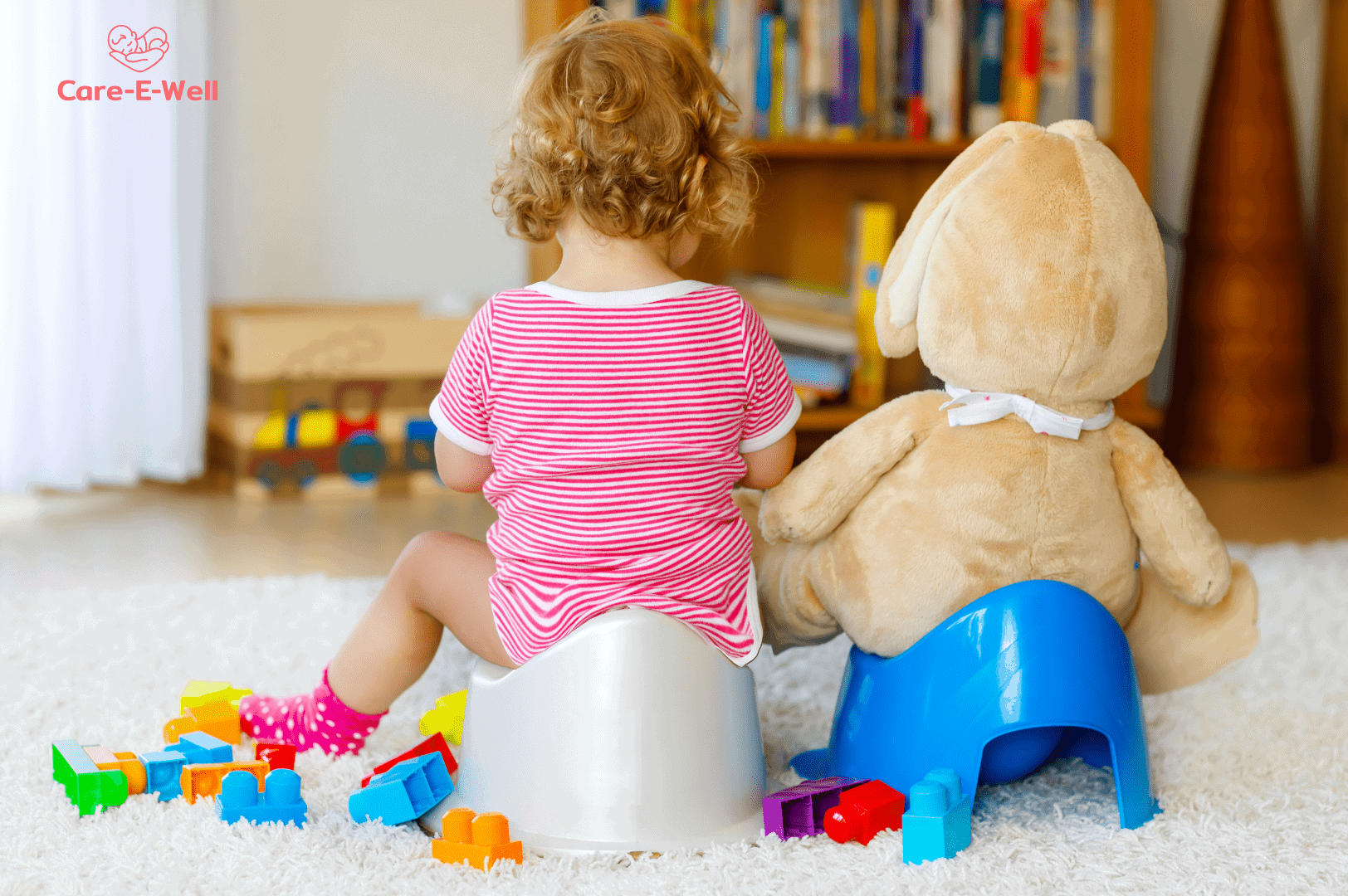
Potty training works best when parents treat it as a developmental skill, not a deadline. Some children show interest during the toddler years; others need more time. UNICEF materials on common parenting concerns specifically frame toilet training as something to approach in developmentally appropriate and realistic ways, while WHO guidance on early childhood development emphasises responsive caregiving, learning opportunities and supportive caregiver-child interactions.
That means the goal is not to make a child comply as quickly as possible. The goal is to help them notice body signals, understand what the toilet or potty is for, practise the sequence, and gradually become more independent without turning toileting into a power struggle.
Potty training is learning. Progress usually comes from readiness, repetition and calm support—not pressure, shame or a race against another child's timetable.
Before you start potty training
Look for a cluster of readiness signs
Age alone is not enough. UNICEF notes that a 2-year-old may begin showing interest in potty training, but children develop differently. Readiness becomes more useful when several abilities come together: growing communication, mobility, ability to follow simple instructions, awareness of routines and interest in copying adults.
A child does not need to be fully independent before training begins. You can help with clothing, wiping, handwashing and getting onto the potty. What matters is that the child can participate and gradually understand the sequence.
Choose a low-pressure period
Major changes can temporarily disrupt skills children already have. UNICEF describes regression as common in toddlers and notes that changes or stress can affect previously mastered toileting. If possible, avoid launching an intensive new routine in the middle of a move, new childcare setting, new sibling arrival or another major transition.
You do not need a perfect stress-free week, but it helps when caregivers can respond consistently and accidents will not create panic.
Decide on a potty or toilet setup
A floor potty can feel accessible because the child can sit with feet supported. A toilet reducer can work well when paired with a stable step so the child can climb safely and sit comfortably.
There is no universal evidence that one setup trains children faster. Choose the option your child accepts and that allows a stable, relaxed posture.
Step 1: Introduce the idea before expecting results
Use simple language for urine, stool, potty and toilet. Let the child see that toileting is an ordinary body-care routine rather than something embarrassing.
Show the sequence: clothes down, sit, pee or poop if the body is ready, wipe with help as needed, clothes up, flush if appropriate, wash hands. At first, the child may only practise sitting briefly.

Step 2: Make the potty easy to reach
Keep the potty in a predictable, accessible place. If you use a toilet reducer, make sure the child can reach it with adult support and has stable foot support.
Easy access matters because toddlers have limited ability to delay once they recognise an urge. Clothing also matters; choose trousers or underwear the child can pull down without complicated fasteners.
Step 3: Offer predictable opportunities
Instead of asking every few minutes, create a few natural routine moments: after waking, before leaving home, before bath time, or at times when your child commonly urinates or has a bowel movement.
Keep the invitation neutral. "It's potty time; would you like to try?" is different from "You have to sit until you go." Short, regular opportunities build familiarity without making the child feel trapped.
Step 4: Help your child connect body signals with the potty
Children gradually learn to recognise sensations that come before urination or a bowel movement. You can label what you observe without criticism: "You stopped playing and you're holding your body. Maybe your pee is coming."
This is responsive caregiving in practice: notice, interpret and support rather than command. WHO's early-childhood guidance places responsive interactions at the centre of learning and development.
Step 5: Praise participation, not only a dry result
Notice the steps the child controls: telling you they need to go, walking to the bathroom, pulling clothes down, sitting, trying, wiping with help or washing hands.
This keeps success broader than producing urine or stool on demand. A child cannot always make their bladder or bowel empty just because an adult has decided it is time.
"You noticed your body and told me" teaches more than "Good child for staying dry."
Step 6: Handle accidents calmly
Accidents are part of learning. Keep the response brief: change clothes, clean up together in an age-appropriate way, and remind the child where pee or poop goes next time.
Avoid shame, ridicule or disappointment. UNICEF's parenting resources emphasise developmentally appropriate expectations and positive approaches to behaviour. A child who fears the adult reaction may start hiding accidents or resisting the routine.
Step 7: Keep the routine consistent across caregivers
Parents, grandparents and childcare staff do not need identical wording, but the basic approach should match. Agree on the terms you use, how often you offer the potty, how you handle accidents and when you use nappies or training pants.
Inconsistent expectations can be confusing—for example, if one caregiver insists the child sit for long periods while another follows the child's signals.
Step 8: Let daytime skills develop before expecting perfect nights
Night-time dryness involves sleep and bladder development as well as learned toileting habits. Do not assume a child who uses the toilet while awake must immediately stay dry all night.
UNICEF discussions of regression and nighttime wetting emphasise supporting the child without shame. Treat overnight protection as a practical tool when needed rather than a failure.
Step 9: Watch bowel comfort closely
Poop training can become difficult if stool is painful or the child starts withholding. If a child associates the toilet with pain, more pressure often makes the cycle harder.
Keep stools comfortable through an age-appropriate diet and fluids, and seek health-professional advice when constipation or painful bowel movements persist. The key point is that pain is not a behaviour problem.
If your child has persistent painful bowel movements, significant withholding, blood in stool, pain with urination or another health concern affecting toileting, seek professional advice rather than intensifying training.
Should you use rewards?
Praise and positive attention can support learning, but rewards are not essential. If you use a sticker or small chart, keep it focused on participation rather than bodily output and avoid making the reward so important that the child feels pressured to perform.
Some children are motivated by choosing underwear, flushing, washing hands or telling another caregiver about their success. Others respond best to quiet acknowledgement.
What if your child says no?
A clear, repeated refusal can mean the child wants control, feels uncomfortable, has tired of repeated prompts or needs a different approach. Reduce pressure before escalating it.
You can keep the potty available, continue normal bathroom language and offer predictable opportunities without forcing sitting. A short pause can be more productive than weeks of conflict.

What if potty training starts well and then goes backwards?
Regression is common in childhood development. UNICEF specifically notes that children may temporarily lose toileting skills during stress or transition. Respond with support, restore predictable routines and avoid treating regression as deliberate misbehaviour.
If a child loses several developmental skills, or toileting regression is accompanied by other symptoms that worry you, discuss it with a health professional.
A practical potty-training routine
- Choose a stable potty or toilet setup your child can access safely.
- Use simple, consistent words for pee, poop and toileting.
- Offer short sits at a few predictable times each day.
- Watch for body signals and help the child connect the sensation with the potty.
- Make clothing easy to lower and raise.
- Praise communication and participation.
- Respond to accidents calmly and matter-of-factly.
- Keep expectations similar across caregivers.
- Reduce pressure if resistance rises.
- Address pain, constipation or other health concerns before expecting progress.
How long does potty training take?
There is no evidence-based number of days that applies to every child. Learning may happen quickly in one area and slowly in another. A child may understand urination before bowel movements, use the potty at home before childcare, or stay dry in the day long before night.
Measure progress by growing awareness and independence rather than a deadline.
Frequently asked questions
What is the best age to potty train?
There is no single best birthday. UNICEF notes that interest may emerge around age 2, but development varies. Look at readiness, communication, participation and family circumstances rather than age alone.
Should I make my child sit until they pee?
Long forced sits can turn the potty into a conflict. Short, predictable opportunities with permission to get up are more consistent with a responsive, developmentally appropriate approach.
Are accidents a sign that training is failing?
No. Expect accidents while children learn to recognise signals, pause play, reach the bathroom and manage clothing in time.
Should I stop nappies immediately?
Families use different transitions. The useful question is whether the plan helps the child connect body signals with toileting without creating unnecessary stress. Overnight protection may continue longer than daytime support.
Conclusion
Parents make potty training more sustainable when they create the conditions for learning: readiness, access, simple routines, calm repetition and supportive responses to accidents. The child supplies the developmental timing.
If training becomes a daily battle, reduce pressure and reassess. If pain, constipation or another health issue is involved, address that first rather than interpreting the problem as stubbornness.
Sources and References
- UNICEF Agora — Common parenting concerns — https://agora.unicef.org/course/info.php?id=23672
- UNICEF Armenia — Parents Meeting TV Show: Potty training — https://www.unicef.org/armenia/en/parents-meeting-tv-show-follow-our-season-5
- UNICEF Parenting — Your toddler's developmental milestones at 2 years — https://www.unicef.org/parenting/child-development/your-toddlers-developmental-milestones-2-years
- UNICEF Parenting — Child regression: What it is and how you can support your little one — https://www.unicef.org/parenting/child-development/what-is-childhood-regression
- UNICEF Parenting — How to prepare your child for a new sibling — https://www.unicef.org/parenting/child-care/preparing-for-a-new-sibling
- World Health Organization — Improving early childhood development: WHO guideline — https://www.who.int/publications/i/item/97892400020986
- World Health Organization — Summary: Improving early childhood development WHO guideline — https://www.who.int/publications/m/item/improving-early-childhood-development-who-guideline-summary
- World Health Organization — Nurturing care for early childhood development — https://www.who.int/publications/i/item/9789241514064/
- World Health Organization — Nurturing care handbook — https://www.who.int/publications/i/item/9789240058415
- World Health Organization — Operationalizing nurturing care for early childhood development — https://www.who.int/publications/i/item/9789241516471
Estimated reading time: 9 minutes
Did this Insight help?
A little love for something worth reading.


