
Care-E-Well Insights
Signs It Is Time to Size Up Diapers
Signs it is time to size up diapers include tight tabs, deep marks, poor coverage and repeat leaks. Learn what to check before changing size.
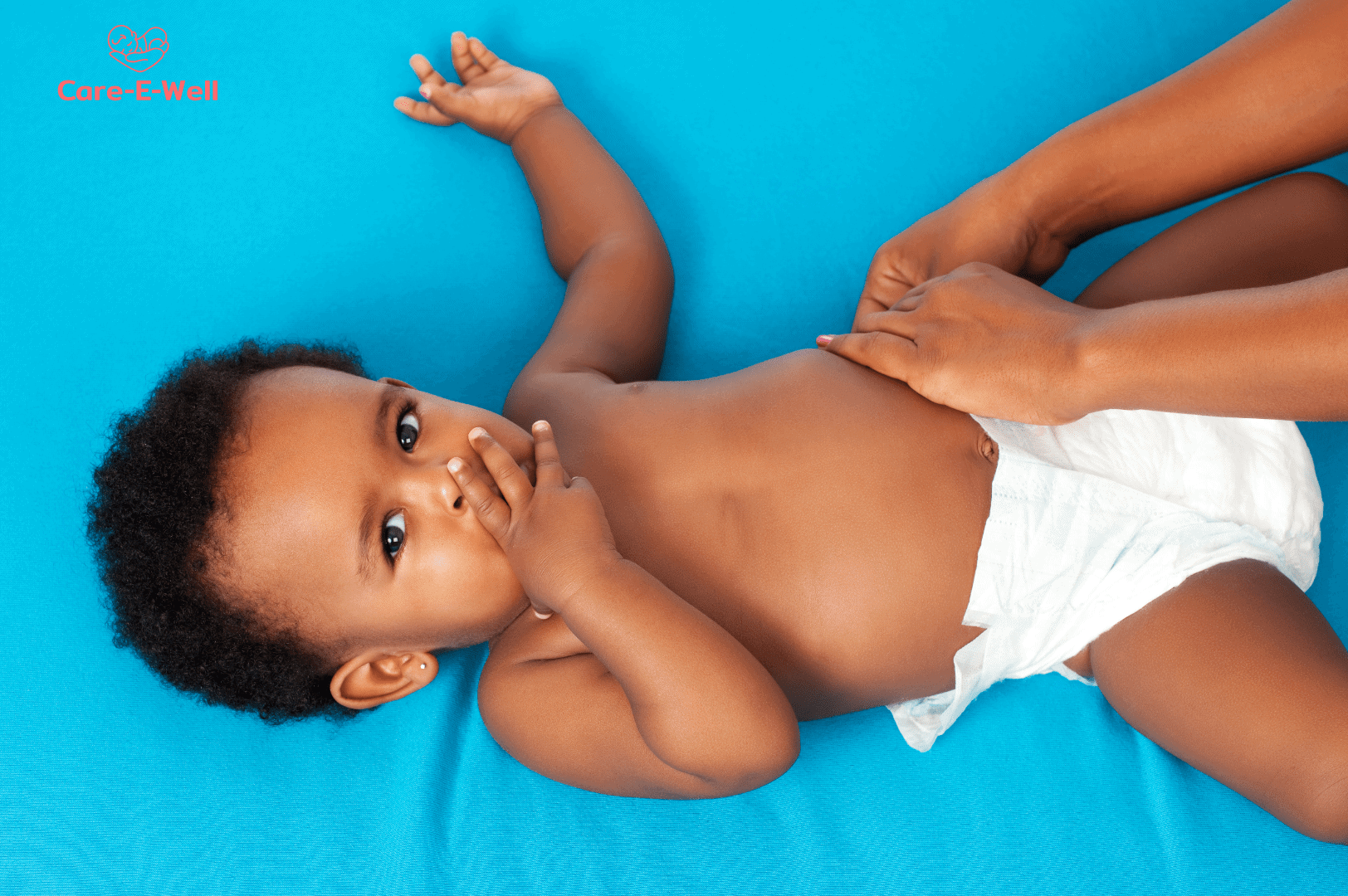
The clearest signs it is time to size up diapers are not a number on the packet. They are changes in fit and performance: fastening tabs that are becoming difficult to close comfortably, repeated deep marks at the waist or thighs, inadequate coverage, frequent leaks despite correct positioning, or a diaper that looks short from front to back.
Weight ranges are useful starting points, but babies with the same weight can have different waist, thigh and torso proportions. If the current diaper still seals comfortably and performs well, you do not need to move up just because your baby has entered an overlapping size range. If several fit problems are appearing together, testing the next size is reasonable.
Size up because the current diaper no longer fits or performs well—not simply because your baby reached a number on a chart.
What are the strongest signs it is time to size up diapers?
- fastening tabs are becoming difficult to close without pulling
- the waistband looks stretched or sits unusually low
- the diaper no longer covers the bottom fully
- deep or persistent pressure marks appear at the waist or thighs
- repeated leaks continue despite correct positioning
- blowouts are becoming frequent and the diaper looks short or tight
- the absorbent area seems too small for normal output
- the next size fits securely without creating obvious gaps
One sign by itself does not always mean the size is wrong. A single leak can happen because a leg ruffle folded inward, the diaper was off-centre or the baby produced an unusually large amount of urine or stool. Repeated patterns are more informative.
Do red marks mean the diaper is too small?
Light temporary impressions from soft elastic can occur, just as socks or clothing can leave short-lived marks. The concern is deeper, persistent or angry-looking pressure that suggests the diaper is compressing the skin.
Recheck the diaper after it has been on for a while. If the elastic leaves pronounced grooves, the tabs need considerable force to fasten, or the baby seems uncomfortable during movement, compare the next size.
Redness can also be caused by moisture, friction or diaper rash, so sizing up is not a treatment for every red mark. Severe, spreading, blistered or weeping skin needs medical assessment rather than repeated size changes.
What do the fastening tabs tell you?
Tabs are a practical fit clue because they show how much tension is needed to close the diaper. They should fasten securely without pulling the waistband tightly across the abdomen.
If the tabs barely reach, repeatedly pop open or require strong stretching, the diaper may be becoming too small. If the tabs overlap far beyond the intended fastening area and the waist still gaps, the diaper may instead be too large or the cut may not suit your baby's shape.
Different brands place tabs and fastening zones differently, so do not use a universal tab position as a rule.
Does a low waistband mean it is time to size up?
Sometimes. As a diaper becomes too short from front to back, the rear panel may sit lower than before and the front may no longer reach comfortably across the abdomen. Coverage around the bottom can also decrease.
Before sizing up, make sure the diaper is centred and fully opened. A diaper that has slid down because it was fastened unevenly can look too small when the real problem is placement.

Are frequent leaks a sign that the diaper is too small?
They can be, especially when the diaper is fully saturated, looks tight or no longer provides enough coverage. But leaks have several possible causes.
- the diaper may be too small and reaching capacity quickly
- the diaper may be too large and leaving gaps
- a leg ruffle may be folded inward
- the diaper may be fastened unevenly
- the absorbent core may be saturated after a long sleep period
- urine may be escaping through a gap before much of the core is wet
Look at where the leak starts. A saturated diaper leaking after prolonged wear suggests a capacity problem. A partly dry diaper leaking from one leg points more toward fit or positioning.
Do diaper blowouts mean you need a bigger size?
Repeated blowouts can be a sizing clue, particularly when stool escapes up the back and the diaper looks short or provides poor bottom coverage. Moving up can create more space for stool and improve back coverage when the current diaper has genuinely become too small.
One blowout is not enough to diagnose a sizing problem. Very loose or large-volume stool can overwhelm a correctly fitted diaper, and a diaper that is too large can also leak through leg gaps.
If blowouts are accompanied by repeated watery diarrhoea, poor feeding, reduced urine or a baby who looks unwell, focus on the baby's health rather than only changing the diaper size.
Should you size up when the diaper becomes saturated quickly?
First ask whether the diaper is being worn for an unusually long period or whether the baby's urine output has increased. A diaper that reaches capacity during a long overnight stretch may need more absorbency, but that does not automatically mean the daytime size is wrong.
If the current diaper is also tight, short or leaving pressure marks, the next size may solve both fit and capacity problems. If the fit is excellent, a more absorbent product intended for longer wear may be a better solution when appropriate for the baby's age and the product instructions.
What if your baby is between two weight ranges?
Overlapping weight ranges are normal in diaper sizing. They give families room to choose according to body shape rather than forcing a switch on a particular day.
If the smaller size fits comfortably and contains normal urine and stool, you can continue using it. If it is getting tight or short, try the next size and check whether the larger diaper still seals around the legs and waist.
The better size is the one that fits securely with less pressure and fewer leaks.
Can a bigger diaper be too big even if the weight range fits?
Yes. If the next size creates large thigh gaps, slides down, twists during movement or leaks while much of the core remains dry, your baby may not yet fit that cut securely.
In that situation, return to the smaller size if it remains comfortable or try another diaper shape. A bigger number is not automatically a better fit.
How should the waist fit?
The waistband should sit evenly and securely without being cinched around the abdomen. It should remain in position when the baby kicks, rolls or crawls.
Avoid rigid rules about fitting a precise number of fingers under the waistband. Diaper materials vary in stretch, and babies differ in shape. Comfortable contact without deep pressure or large gaps is a more useful test.
How should the leg openings fit?
Leg elastic should lie close enough to contain urine and stool while remaining comfortable. Large visible gaps increase leakage risk; deep grooves or obvious irritation suggest the opening is too tight or the diaper shape is unsuitable.
Always pull outer ruffles outward after fastening. Folded-in ruffles can produce leaks that look like a sizing problem.
Does crawling or rolling change diaper fit?
Yes. A diaper that worked perfectly for a less mobile baby may start shifting once rolling, crawling and climbing increase. Movement can reveal gaps that were not obvious while the baby was lying still.
Recheck the fit while the baby is active. If the diaper repeatedly twists, sags or slips even when correctly fastened, the size or product shape may need changing.
Should you size up for chunky thighs?
Not automatically. Fuller thighs may need a roomier leg cut while the waist still fits the current size. Going up can help if the leg openings are genuinely tight, but it can also create a loose waist.
If one area fits and another does not, a differently shaped diaper may work better than simply moving up.
What about very slim babies?
Slim babies can fall well inside a listed weight range yet still have leg or waist gaps. If the next size leaks before the absorbent core is full, the larger diaper may be premature.
Choose secure sealing and comfortable coverage rather than trying to keep pace with the size printed on a chart.
Should newborns be sized differently because of the cord stump?
For a newborn, keep the diaper edge from rubbing the healing umbilical stump. Some newborn diapers have a shaped front; others can be folded down if that does not compromise fit.
WHO recommends hygienic newborn skin care and clean, dry cord care. If a larger diaper presses directly on the stump or allows stool to contaminate it more easily, consider another size or shape.
Increasing redness, swelling, pus, foul-smelling discharge or a baby who is feeding poorly, unusually sleepy or febrile needs medical assessment rather than a diaper adjustment.
Should you use up the whole pack before sizing up?
No. If the diaper is clearly uncomfortable or repeatedly failing, there is no benefit in forcing the baby to finish a pack. Keep unopened packs for exchange if possible, or pass unused suitable products to another family or charity according to local rules.
On the other hand, do not discard a size because of one bad change. Check placement and watch for a pattern first.

How can you test the next size without overbuying?
Buy the smallest available pack or use a sample when possible. Try the next size during the day, when you can easily observe fit after movement and after a normal wet diaper.
- Put the diaper on with the absorbent core centred.
- Fasten both sides evenly.
- Check the waistband for pressure or gaps.
- Pull the leg ruffles outward.
- Check bottom coverage.
- Let the baby move normally.
- Recheck after urine or stool.
- Compare leaks, pressure marks and comfort with the previous size.
If the larger size solves tightness without creating gaps, the transition is probably appropriate.
Can a wrong diaper size cause diaper rash?
Poor fit can contribute to friction, pressure and leakage, all of which can make irritated skin harder to manage. However, diaper rash has several causes and is not simply a sizing problem.
Prompt stool changes, gentle cleansing and reducing prolonged moisture exposure matter regardless of size. WHO and UNICEF newborn-care guidance emphasises hygiene, clean skin and early recognition of health problems.
If a rash is severe, rapidly worsening, blistered, weeping, infected-looking or persistent despite simple care, seek professional advice.
When do diaper concerns need medical advice?
Seek medical advice when diaper issues occur with markedly reduced urine output, around eight hours without urination in a newborn, repeated watery diarrhoea, blood in stool or urine, white or very pale stool, fever, poor feeding, unusual lethargy, severe skin breakdown or a baby who looks unwell.
These signs can point to feeding, hydration, gastrointestinal or skin problems. Changing size may improve fit, but it should not delay assessment of a sick baby.
Frequently asked questions
Should I size up as soon as my baby reaches the next weight range?
No. Use the range as a starting point. Size up when the current diaper is becoming tight, short or unreliable and the larger size still seals securely.
Do leaks always mean the diaper is too small?
No. Gaps, positioning, folded ruffles and saturation can all cause leaks. Check where the leak starts before deciding.
Are red leg marks a sign to size up?
Deep or persistent marks are a strong reason to reassess fit. Light temporary elastic impressions can occur with a comfortable diaper.
Can I skip a diaper size?
Sometimes, if the intermediate size does not suit your baby's shape and the larger size seals properly. Fit matters more than progressing through every number.
What is the easiest way to know if the larger size is better?
Compare comfort, coverage, pressure marks and leak pattern over several changes. The better size should solve tightness without introducing new gaps.
The key takeaway
The best signs it is time to size up diapers are a combination of tight fastening, inadequate coverage, deep pressure marks, repeated leaks or blowouts, and a diaper that looks increasingly short. Weight ranges help you choose what to try, but actual fit decides what works. Test the next size when several signs appear together, and make sure the larger diaper still seals well around the legs and waist.
Sources and References
- World Health Organization — Caring for a newborn
- World Health Organization Regional Office for Europe — Newborn health
- World Health Organization — Essential newborn care
- World Health Organization — WHO recommendations on maternal and newborn care for a positive postnatal experience
- World Health Organization — Essential newborn care course, second edition
- World Health Organization — Raising the importance of postnatal care
- UNICEF Parenting — Newborn baby health: Mini Parenting Master Class
- UNICEF Parenting — Newborn health warning signs
- UNICEF Uganda — Key practice: Newborn care
Did this Insight help?
A little love for something worth reading.


