
Care-E-Well Insights
Swallowed Button Battery: Why It Is an Emergency
Swallowed button battery? Seek emergency care now. Learn why injury is rapid, when honey is appropriate and what not to do.
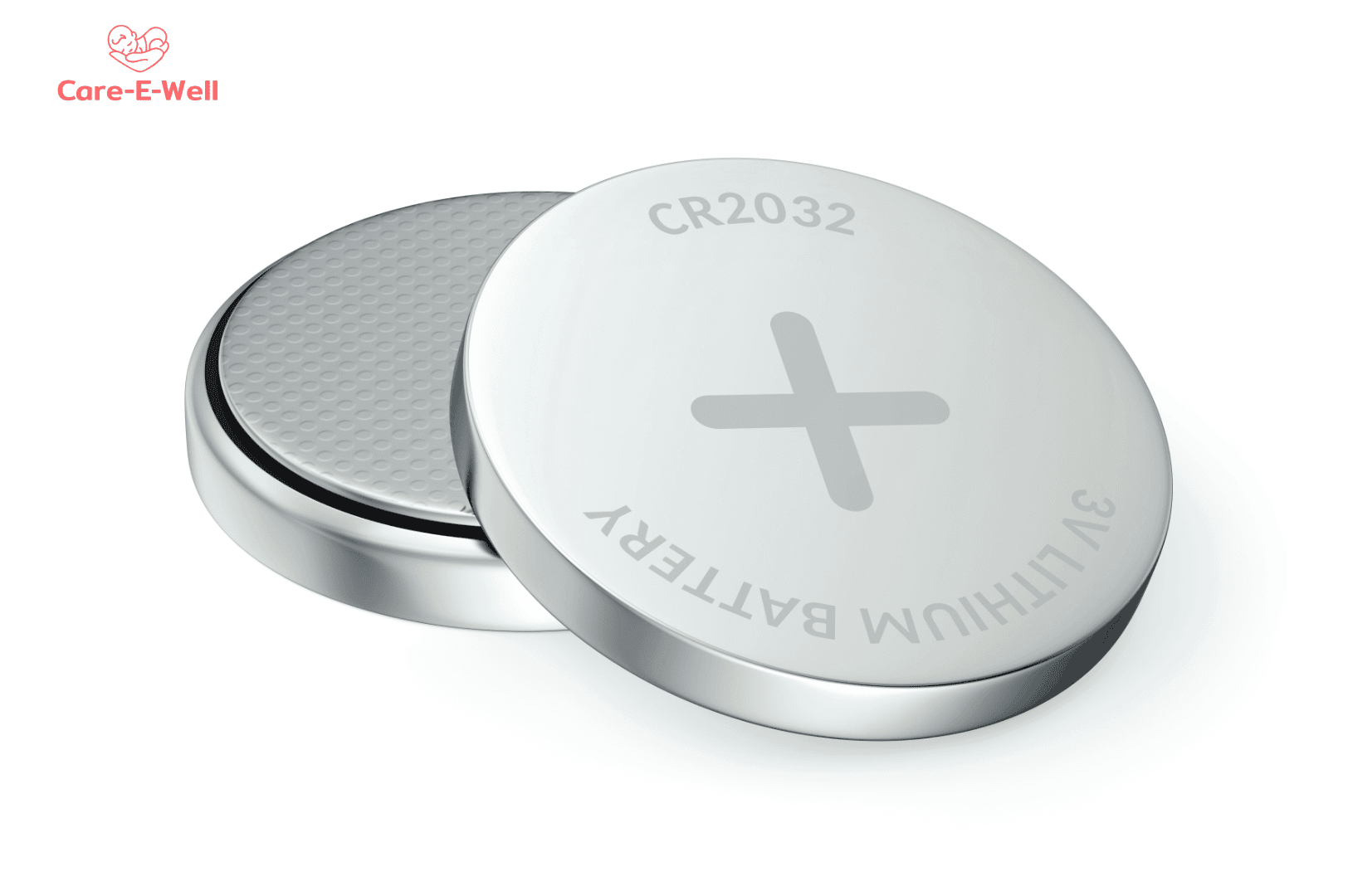
A swallowed button battery is a medical emergency because a battery lodged in the oesophagus can start causing severe tissue injury very quickly, sometimes before a child has obvious symptoms. If you think a baby or child may have swallowed a button battery, arrange immediate emergency assessment. Do not wait for coughing, pain, vomiting or difficulty swallowing to appear.
Do not make the child vomit and do not delay leaving for emergency care while trying home remedies. One narrow exception exists in current paediatric guidance: for a child aged at least 12 months, when the ingestion was within the previous 12 hours and the child can swallow normally, honey may be given while emergency care is being arranged—10 mL every 10 minutes, up to six doses. Honey is a harm-reduction measure, not an antidote, and it must never delay battery removal.
Suspected button-battery ingestion needs immediate emergency assessment even when the child looks well.
Why is a swallowed button battery so dangerous?
The main injury mechanism is electrical. When a lithium coin cell contacts moist tissue, an electrical current can generate hydroxide at the battery’s negative pole, creating a highly alkaline environment that burns tissue. Pressure and leakage can contribute, but electrical hydrolysis is central to the severe oesophageal injuries seen in children.
A battery trapped in the oesophagus can damage tissue within a short period. Reviews and clinical guidance commonly cite clinically important injury developing within about two hours, which is why diagnosis and removal are treated as time-critical.
Injury may also continue to evolve after the battery has been removed. That is why children with significant oesophageal injury may need specialist observation and follow-up even after successful retrieval.
A child can appear comfortable while a button battery is already causing internal injury. Symptoms are not a safe screening test.
What should you do immediately?
- Treat the possible ingestion as an emergency.
- Check that the child is breathing and responding normally.
- Call emergency services or follow your local emergency pathway for urgent hospital assessment.
- Note the approximate time the battery may have been swallowed.
- Bring an identical battery, the device or the packaging if available, but do not spend time searching if it delays care.
- Do not induce vomiting.
- Follow the narrow honey guidance only when all eligibility conditions are met.
If the child has choking, severe breathing difficulty, collapse or reduced responsiveness, emergency airway and resuscitation priorities come first.
When can honey be given?
Current paediatric button-battery guidance supports honey as a pre-hospital mitigation step under specific conditions. The child must be at least 12 months old, the suspected ingestion must have occurred within the previous 12 hours, and the child must be able to swallow.
The commonly recommended amount is 10 mL of honey every 10 minutes, for up to six doses, while the child is being taken for emergency assessment.
Never give honey to a child younger than 12 months because of the risk of infant botulism. Do not give honey to a child who cannot swallow safely, is vomiting repeatedly, has severe breathing problems or has reduced consciousness.
Honey should not be used when more than 12 hours may have passed because deeper injury or perforation may already be present and oral intake may be inappropriate. If timing is uncertain, emergency professionals should guide you.

Does honey make the battery safe?
No. Laboratory and animal studies suggest honey can reduce the rise in tissue pH and limit injury while the battery remains in contact with the oesophagus. Human evidence is much more limited, which is why systematic reviews describe honey as a mitigation strategy rather than a definitive treatment.
The battery still needs urgent localisation and, if it is in the oesophagus, prompt removal. Giving honey must never become a reason to wait at home.
What should you not give a child?
- do not induce vomiting
- do not give ipecac
- do not give activated charcoal
- do not give food to “push the battery down”
- do not give large drinks
- do not give honey to a child younger than 12 months
- do not give honey when the possible ingestion was more than 12 hours ago
- do not delay emergency assessment to prepare a remedy
Once emergency professionals take over, follow their instructions about whether the child should remain fasting.
What symptoms can a button battery cause?
Symptoms depend on where the battery is and how long it has been present. Possible early symptoms include coughing, gagging, drooling, refusal to eat, difficulty swallowing, vomiting, chest discomfort, noisy breathing, wheeze or unexplained irritability.
Unfortunately, symptoms can be vague or absent. Published cases show that batteries may initially be mistaken for respiratory or gastrointestinal illness, particularly when nobody saw the child swallow the battery.
Later complications can include bleeding, oesophageal perforation, fistulas between the oesophagus and airway or major blood vessels, infection, vocal-cord problems and strictures.
Vomiting blood, coughing blood, black stools, severe chest pain, collapse, new breathing difficulty or significant bleeding after a known or possible button-battery ingestion requires immediate emergency response.
How will the hospital find the battery?
Radiographs are usually obtained urgently to determine whether a battery is present and where it is located. Front and side views can help distinguish a button battery from a coin and identify its position.
Button batteries may show a characteristic double-rim or halo appearance on frontal imaging and a step-off appearance on a lateral view, but image interpretation belongs to clinicians. Parents should not delay care while trying to identify a battery from a home photo.
What if the battery is in the oesophagus?
An oesophageal button battery requires emergent endoscopic removal. This is the highest-risk location because prolonged contact can rapidly damage the oesophageal wall and nearby structures.
The child may need assessment for the depth and location of injury after removal. Severe injury can require additional imaging, specialist monitoring and restrictions on eating or activity.
What if the battery has already passed into the stomach?
Management is still clinician-led. Not every battery beyond the oesophagus requires immediate surgery or endoscopy, but decisions depend on age, battery size, symptoms, timing, associated objects and whether the battery moves through the gastrointestinal tract.
Do not assume that “it reached the stomach” means no further follow-up is needed. Large batteries in young children, symptomatic children and batteries that fail to progress may need additional intervention or imaging.
What if you do not know whether it was a coin or battery?
Treat uncertainty seriously. Coins and button batteries can look similar, and the safe approach is urgent radiographic assessment when a battery is possible.
Look for the source device only if it can be done immediately without delaying care. Common sources include remote controls, key fobs, thermometers, scales, hearing devices, toys, LED lights, greeting cards and small electronic accessories.
What if the child may have put a battery in the nose or ear?
Button batteries can also cause rapid local tissue injury in the nose or ear. Suspected insertion needs urgent medical removal rather than home probing with tweezers.
Do not pour liquid into an ear containing a suspected battery and do not push an object deeper while trying to retrieve it.
Why are lithium coin cells particularly concerning?
Modern lithium coin cells can have a larger diameter and higher voltage than older button cells. Larger cells are more likely to lodge in the oesophagus of a small child, and higher voltage can accelerate electrical injury.
However, parents should not try to rank risk by battery brand or size at home. Any suspected button-battery ingestion deserves urgent evaluation.
What if the child swallowed a used or “dead” battery?
A battery that no longer powers a device may still have enough residual voltage to cause serious injury. Used batteries should therefore be treated with the same urgency as new ones when swallowed.

Can the battery cause harm after it is removed?
Yes. Tissue injury can progress for days after removal because the alkaline environment and damaged tissue do not instantly return to normal. Serious delayed bleeding has been reported after oesophageal injuries.
Children with significant injury may be given very specific discharge instructions about symptoms, feeding, medicines and follow-up. Follow those instructions carefully.
After a documented oesophageal button-battery injury, any later gastrointestinal bleeding, coughing of blood, collapse or new major breathing problem is an emergency.
Should siblings be checked if batteries are missing?
If multiple batteries are unaccounted for and more than one child had access, tell emergency or poison specialists. Do not assume the child who admits touching the device is the only child who may have handled a battery.
How can button-battery ingestions be prevented?
- keep spare and used batteries locked away
- dispose of used batteries promptly and securely
- check that battery compartments require a tool or two independent movements to open
- repair or discard devices with loose battery covers
- keep remote controls, key fobs and small electronics out of reach
- check floors and furniture when a battery is dropped
- store batteries in original packaging rather than loose in drawers
- teach older children that batteries are not toys
A battery compartment that closes loosely with tape is not a reliable long-term safety solution if a young child can access it.
Frequently asked questions
My child has no symptoms. Can I watch at home?
No. A lodged oesophageal battery can cause severe injury without early symptoms. Suspected ingestion requires urgent localisation.
Can I give honey before leaving?
Only if the child is at least 12 months old, the ingestion was within 12 hours, the child can swallow, and doing so does not delay emergency care. Give 10 mL every 10 minutes up to six doses.
What if my child is 11 months old?
Do not give honey. The under-12-month restriction is important because honey can contain spores associated with infant botulism. Go directly for emergency assessment.
Should I make my child vomit so the battery comes back up?
No. Inducing vomiting is not recommended and may cause additional harm.
Is a swallowed battery always visible on X-ray?
Most button batteries are radiopaque and radiographs are central to assessment. Clinicians choose the views needed to locate and identify the object.
The key takeaway
A swallowed button battery is an emergency because severe oesophageal injury can begin rapidly and symptoms may be absent. Do not induce vomiting or wait at home. Arrange immediate emergency assessment. For a child aged 12 months or older, when ingestion was within 12 hours and swallowing is safe, current guidance allows 10 mL of honey every 10 minutes up to six doses while emergency care is being pursued. Honey may reduce injury but never replaces urgent imaging and removal.
Sources and References
- Mubarak A, Benninga MA, Broekaert I, et al. — Diagnosis, Management, and Prevention of Button Battery Ingestion in Childhood: A European Society for Paediatric Gastroenterology Hepatology and Nutrition Position Paper
- Zipursky AR, Ratnapalan S — Button battery ingestions in children
- Schmidt YM, Schröder AS, Henkel PV, et al. — The use of honey in button battery ingestions: a systematic review
- Bosschaert C, Vandenplas Y, De Greef E — Time Is Money in Case of a Button Battery Ingestion
- Krom H, Visser M, Hulst JM, et al. — Serious complications after button battery ingestion in children
- Eck JB, Ames WA — Anesthetic Implications of Button Battery Ingestion in Children
- Sethia R, Gibbs H, Jacobs IN, et al. — Current management of button battery injuries
- Lerner DG, Brumbaugh D, Lightdale JR, et al. — Mitigating Risks of Swallowed Button Batteries
- Sinclair EM, Stevens JP, McElhanon B, et al. — Single-Center Retrospective Review of Esophageal Button Battery Impactions
- Al Lawati TT, Al Marhoobi R — Timing of Button Battery Removal From the Esophagus and Clinical Outcomes
Did this Insight help?
A little love for something worth reading.


