
Care-E-Well Insights
Vegetarian and Vegan Weaning: Nutrients Parents Need to Plan
Vegetarian and vegan weaning needs careful planning. Learn which nutrients matter most, from B12 and iron to iodine, calcium and omega-3s.
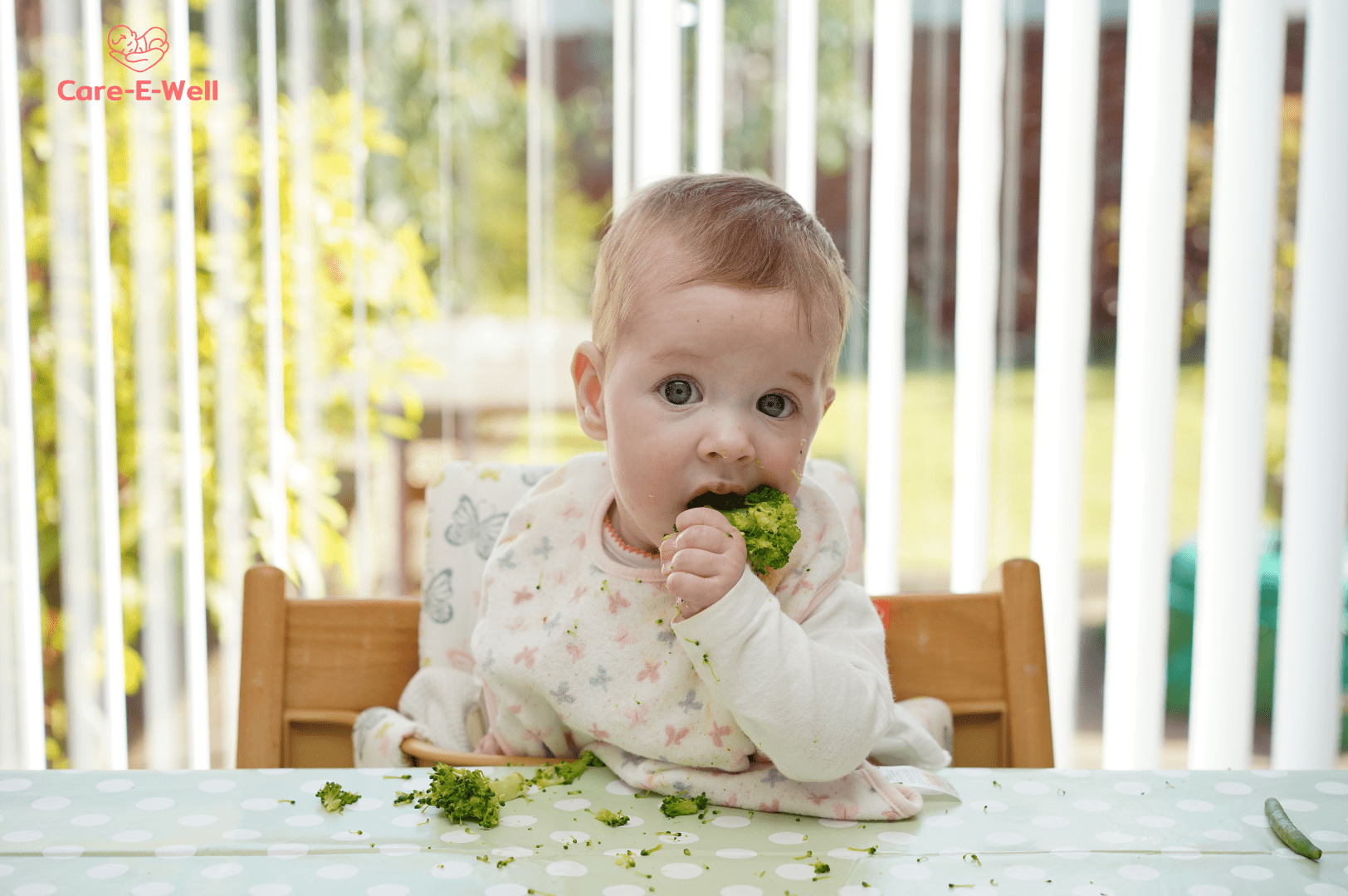
Vegetarian and vegan weaning can be compatible with thoughtful complementary feeding, but "plant-based" does not automatically mean nutritionally complete for a baby. Infants have high nutrient needs, small stomach capacity and rapid growth, so every spoonful has to work harder than it does in an adult diet.
The more foods a family excludes, the more deliberate the plan needs to be. For vegan babies in particular, vitamin B12 cannot be left to chance, and iron, zinc, iodine, vitamin D, calcium, protein, energy and omega-3 fats all deserve attention.
A vegan infant diet should be planned, not improvised. Before major milk or supplement changes, involve a paediatrician or paediatric dietitian who understands infant plant-based nutrition.
What is different about vegetarian and vegan weaning?
A vegetarian diet may still include dairy and eggs, which contribute protein, vitamin B12, iodine and other nutrients. A vegan diet excludes all animal-source foods, so several nutrients need to come from fortified foods, supplements or carefully selected plant foods.
WHO's 2023 complementary-feeding guideline emphasises dietary diversity and identifies animal-source foods as nutrient-dense contributors for children aged 6–23 months. WHO also notes that diets made almost entirely from plant foods can increase the risk of nutrient deficiencies. This does not mean a vegan diet is impossible; it means the margin for casual planning is smaller.
Keep breast milk or an appropriate infant formula central
Complementary feeding begins because milk alone no longer covers every nutritional need, not because milk suddenly becomes unimportant. WHO recommends continued breastfeeding alongside solids, and European infant and follow-on formulae are specifically formulated for infant nutritional requirements.
If a vegan family is not breastfeeding or needs supplementary milk, do not replace infant formula with an ordinary plant drink. Oat, almond, rice, coconut and standard soy drinks are not interchangeable with infant formula simply because they are plant-based.
Do not use homemade plant "milk" as the principal milk for an infant. If a baby needs a non-dairy formula, use an age-appropriate product recommended for infants and discuss the choice with a qualified health professional.
Vitamin B12 is non-negotiable in vegan weaning
Vitamin B12 is naturally concentrated in animal-source foods. EFSA sets dietary reference values for cobalamin because it is essential for normal blood formation and nervous-system function.
In a vegan diet, reliable B12 intake generally requires a fortified source or supplement. The baby's exact supplement plan should consider breast milk, formula, fortified foods and any maternal supplementation if breastfeeding. This is one area where copying an adult supplement schedule is inappropriate.
A breastfeeding mother following a vegan diet also needs her own B12 intake to be reliable. Maternal status can affect the amount available to the breastfed infant.

Iron needs active planning from the start
Around 6 months, complementary foods become important sources of iron. EFSA has repeatedly identified iron as a nutrient requiring attention in European infants and young children.
Plant sources include lentils, beans, chickpeas, tofu, finely ground or smooth nut and seed pastes, iron-fortified infant cereals and other fortified foods. The form and texture must remain appropriate for the baby's developmental stage.
Non-haem iron from plants is less readily absorbed than haem iron from meat. Pairing iron-rich plant foods with vitamin C-rich fruit or vegetables is a practical way to support absorption, while relying on tea or large quantities of dairy around iron-rich meals can be counterproductive.
Zinc matters for growth and immune function
Legumes, tofu, nut and seed pastes, whole grains and fortified foods can contribute zinc. However, plant compounds such as phytate can reduce mineral absorption, so variety and food preparation matter.
Soaking, fermenting, using leavened breads and serving a range of plant proteins can help diversify the diet. There is no need to turn infant feeding into a laboratory calculation, but a repetitive diet based mainly on fruit, vegetables and plain grains is not enough.
Iodine can be easy to overlook
Iodine is essential for thyroid hormone production and brain development. EFSA has highlighted iodine as a nutrient that can be low in some European infants and young children.
Vegan iodine planning can be particularly difficult because dairy and fish are common iodine sources in omnivorous diets. Seaweed is not a simple solution: iodine content can be extremely variable and some products can provide excessive amounts.
National recommendations for iodine supplementation differ. A paediatric dietitian or clinician can help decide whether a supplement is needed based on the baby's milk feeds, fortified foods and local food supply.
Vitamin D still needs attention
Vitamin D is important regardless of whether a baby is vegan, vegetarian or omnivorous. EFSA has established a dietary reference value for infants aged 7–11 months, and many European countries use national infant vitamin D supplementation programmes.
Follow the local infant supplementation recommendation rather than assuming food alone will reliably provide enough vitamin D. Fortified plant foods may contribute, but the amount varies by product.
Calcium without dairy
Breast milk or infant formula contributes calcium during infancy. As solids expand, calcium can also come from calcium-set tofu, suitable fortified foods, beans, some greens, nut and seed pastes and later appropriately fortified plant drinks when they are nutritionally suitable for the child's age.
Check labels rather than assuming every plant product is fortified. Two products that look similar can contain very different amounts of calcium, iodine, vitamin B12, protein and energy.
Protein quality and variety
Babies do not need animal protein at every meal, but they do need enough total protein and a varied amino-acid supply. Useful plant proteins include pulses, tofu, tempeh in suitable textures, smooth nut or seed pastes and grain-legume combinations across the day.
Vegetarian babies can also use eggs, yoghurt and cheese if these fit the family's diet and the baby tolerates them.
Avoid letting fruit and vegetables dominate to the point that energy and protein intake become too low. They are valuable foods, but they are not the whole meal plan.
Energy density matters in plant-based infant diets
High-fibre adult foods can fill a baby's small stomach before enough energy has been eaten. The answer is not to avoid fibre, but to combine high-fibre foods with energy-dense ingredients.
- add smooth nut or seed paste to porridge or yoghurt alternatives
- use avocado, tofu or olive/rapeseed oil in suitable meals
- choose energy-dense pulses and grains rather than only watery vegetables
- use age-appropriate fortified foods when they fill a genuine nutrient gap
Whole nuts are a choking hazard and should not be given to babies. Nut and seed pastes need to be smooth and offered in a form the baby can manage.
Omega-3 fats and DHA
Alpha-linolenic acid can come from foods such as ground flax, chia, walnuts and rapeseed oil, used in developmentally safe forms. Conversion from alpha-linolenic acid to DHA is limited and variable.
Some vegan families use algae-derived DHA. EFSA continues to assess safe intakes of supplemental DHA, including for infants. Whether a specific baby needs a DHA supplement depends on milk feeding, diet and local guidance, so use an infant-appropriate product rather than an adult capsule.

Food allergy introduction still matters
A vegetarian or vegan diet should not create unnecessary delay in introducing foods the family does eat. For example, vegetarian families who eat egg or dairy can introduce those foods during complementary feeding in age-appropriate forms.
Vegan families will naturally exclude egg and dairy for ethical or dietary reasons, but should still introduce tolerated plant allergens such as peanut or other nuts in safe forms when developmentally appropriate. Avoiding a food solely from fear of allergy is a different decision from excluding it because of the family's established diet.
What might a balanced vegan meal look like?
There is no single perfect plate, but a useful pattern is an iron- and protein-rich base plus an energy source plus fruit or vegetables. For example, lentil and vegetable mash with oil; iron-fortified cereal with fruit and smooth nut paste; or soft tofu with vegetables and a grain.
Meals evolve with texture skills. WHO encourages increasing variety and consistency as the baby develops, so a plant-based diet should not remain stuck at thin purées.
When should parents seek individual nutrition support?
- the baby is fully vegan
- growth is faltering or weight gain is a concern
- the baby eats a very narrow range of foods
- there are multiple food allergies
- the baby is premature or has a chronic medical condition
- the family is unsure about B12, iodine, vitamin D, iron or DHA supplementation
- the baby is not breastfed and the family is considering a non-dairy milk replacement
Professional support is not a sign that the diet has failed. It is a way to make a restrictive dietary pattern safer during a period of unusually rapid growth.
Frequently asked questions
Can a baby be vegan from the start of solids?
A vegan complementary diet can be planned, but it requires reliable infant milk feeding and deliberate attention to vitamin B12, iron, iodine, vitamin D, calcium, zinc, energy and essential fats. Professional dietetic input is strongly advisable.
Do vegan babies need vitamin B12 supplements?
They need a reliable B12 source. In many vegan infant diets that means supplementation or appropriately fortified products, but the dose and product should be matched to the baby's overall feeding pattern with professional guidance.
Is plant milk a suitable replacement for formula?
Ordinary plant drinks are not infant formula. Do not use them as the principal milk for a baby unless a clinician has specifically recommended an age-appropriate product.
Are lentils enough for iron?
Lentils are useful, but a varied iron strategy is better. Include several iron-rich foods and fortified options and pair them with vitamin C-rich foods.
Conclusion
Vegetarian and vegan weaning is less about finding one "perfect" food and more about covering a set of predictable nutrient priorities. Keep breast milk or appropriate infant formula central, build meals around iron and protein, and make B12, iodine, vitamin D, calcium, zinc, energy and omega-3 planning explicit rather than accidental.
Sources/References
- WHO — Guideline for complementary feeding of infants and young children 6–23 months of age. https://www.who.int/publications/i/item/9789240081864
- WHO — Complementary feeding. https://www.who.int/health-topics/complementary-feeding
- WHO — Infant and young child feeding. https://www.who.int/news-room/fact-sheets/detail/infant-and-young-child-feeding
- WHO — Healthy diet. https://www.who.int/news-room/fact-sheets/detail/healthy-diet
- WHO — Guideline Development Group on optimal intake of animal-source foods. https://www.who.int/groups/guideline-development-group-on-optimal-intake-of-animal-source-foods
- EFSA — Dietary reference values. https://www.efsa.europa.eu/en/topics/topic/dietary-reference-values
- EFSA — Dietary reference values: vitamin E and cobalamin. https://www.efsa.europa.eu/en/press/news/150709
- EFSA — Vitamin D: EFSA sets dietary reference values. https://www.efsa.europa.eu/en/press/news/161028
- EFSA — Scientific opinion on the tolerable upper intake level for iron. https://www.efsa.europa.eu/en/plain-language-summary/scientific-opinion-tolerable-upper-intake-level-iron
- EFSA — Scientific Opinion on the tolerable upper intake level for supplemental docosahexaenoic acid. https://www.efsa.europa.eu/en/efsajournal/pub/9858
- EFSA — 'Growing-up' formula: No additional value to a balanced diet, says EFSA. https://www.efsa.europa.eu/en/press/news/131025
- European Commission — Food for infants and young children. https://food.ec.europa.eu/food-safety/labelling-and-nutrition/specific-groups/food-infants-and-young-children_en
Estimated reading time: 8 minutes
Did this Insight help?
A little love for something worth reading.


