
Care-E-Well Insights
What to Put in a Baby and Child First-Aid Kit
Build a practical baby and child first-aid kit with dressings, tools, emergency information and safely stored medicines.
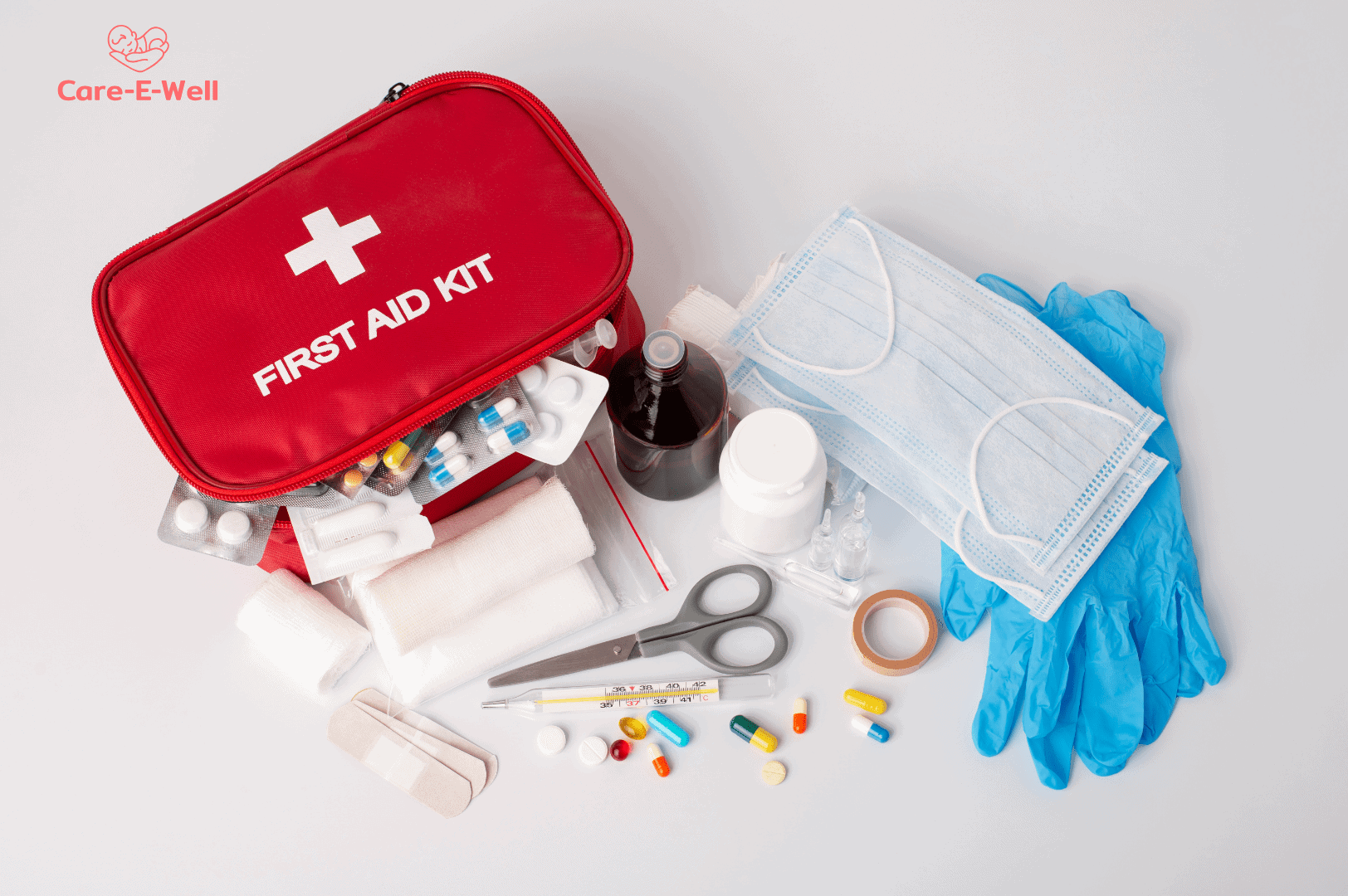
A useful baby and child first-aid kit should help you manage common minor injuries and buy time during an emergency—not tempt you to treat problems that need professional care. The most valuable contents are simple dressings, basic tools, emergency information and any prescribed rescue medicine your individual child needs.
Keep supplies organised where an adult can reach them quickly but a child cannot. Medicines need particularly secure storage, ideally locked or otherwise reliably inaccessible, and should remain in their original labelled containers. A first-aid kit works best when caregivers also know paediatric first aid and CPR.
Build the kit around actions you may actually need to take: stop bleeding, cover a wound, cool an injury, check temperature, remove a superficial splinter and find emergency information quickly.
What should be in a basic baby and child first-aid kit?
- assorted adhesive plasters or bandages
- sterile gauze pads in several sizes
- non-stick sterile wound dressings
- a sterile roller bandage or gauze roll
- medical adhesive tape
- a triangular bandage for simple support or securing a dressing
- disposable medical gloves
- blunt-ended first-aid scissors
- fine-tipped tweezers
- a digital thermometer suitable for your child’s age
- sterile saline pods or clean wound-rinsing supplies
- an instant cold pack or reusable cold pack stored separately as appropriate
- a simple CPR face shield or barrier device if you are trained to use one
- emergency contact and medical-information card
You do not need every size and product available in a pharmacy. A compact kit that is easy to understand is more useful than an overfilled box where essential items are difficult to find.
Which wound-care supplies are most useful?
Minor cuts and grazes are among the most common reasons families open a first-aid kit. Sterile gauze can apply direct pressure to bleeding, while adhesive plasters and non-stick dressings protect a cleaned wound afterward.
Keep several sizes because a toddler’s scraped knee and a baby’s small scratch need different coverage. Medical tape helps secure gauze when an adhesive plaster is the wrong shape.
Clean running water is suitable for many minor wounds. Sterile saline is useful when running water is unavailable or when you want a portable rinsing option. The kit does not need a collection of harsh disinfectants for routine wound cleaning.
Why should disposable gloves be included?
Gloves create a practical barrier when you are dealing with blood, vomit or other body fluids. They are particularly helpful when the injured child is not your own or when several caregivers may use the same kit.
Gloves do not replace hand hygiene. Wash or clean your hands before and after first aid when circumstances allow, and change gloves between different people or contaminated tasks.
What are scissors and tweezers for?
Blunt-ended scissors can cut tape, gauze or clothing without adding an unnecessary sharp-point hazard. Fine-tipped tweezers can help remove a superficial splinter or an attached tick when appropriate.
Tweezers are not suitable for digging into deep wounds, removing embedded objects from an eye or exploring puncture injuries. If an object is deeply embedded, leave it in place and seek professional care rather than turning the first-aid kit into a minor surgical set.

Do you need a thermometer?
A digital thermometer is one of the most useful items for families with babies and young children. Choose a device intended for the age group and learn how to use it before the child is ill.
The number is only one part of assessment. A baby or child who is difficult to wake, struggling to breathe, having a seizure or otherwise seriously unwell needs medical attention regardless of what the thermometer displays.
Should you include a cold pack?
A cold pack can help with discomfort and swelling after selected minor bumps, sprains or insect stings. Wrap it in cloth rather than placing an extremely cold surface directly against a child’s skin.
Cooling is first aid for comfort; it does not rule out fracture, head injury or deeper damage. Significant deformity, inability to use a limb, severe pain or neurological symptoms needs assessment.
What emergency information belongs in the kit?
A small waterproof card can be as important as a bandage. Include information that another caregiver could use if you were not present.
- the child’s full name and date of birth
- important allergies
- significant medical conditions
- prescribed emergency medicines
- emergency contact numbers
- the child’s clinician or relevant specialist contact when useful
- a brief copy or location of any allergy, seizure or other emergency action plan
Review the card whenever medicines, diagnoses or contact details change. Do not rely on one adult remembering everything during a stressful event.
Should medicines be kept in the first-aid kit?
Some families keep a small selection of age-appropriate over-the-counter medicines, but medicines should not be added simply because they appear on a generic checklist. Product choice, age restrictions and dosing differ, so confirm what is appropriate for your child with a clinician or pharmacist.
Keep every medicine in its original labelled container with its measuring device when one is supplied. Avoid loose tablets, unlabelled liquids or transferring medicines into food containers or small travel pots where identification becomes difficult.
A first-aid kit must not become an accessible medicine box. Child-resistant packaging is not child-proof. Store medicines locked or otherwise reliably inaccessible to children.
What about prescribed emergency medicines?
A child with a known severe allergy, asthma, seizure disorder or another condition may have prescribed rescue medication. These medicines should follow the child’s individual emergency plan, including where they are stored and which adults are trained to use them.
Emergency medication needs to be accessible to the responsible adult when required, which can conflict with the need to keep medicines away from children. Solve this with a secure adult-controlled system rather than hiding the medicine somewhere no one can find during an emergency.
Check expiry dates and device condition regularly. Replace used, damaged or expired rescue medicines promptly according to the child’s care plan.
What should not be routinely stocked?
- leftover prescription antibiotics
- medicines prescribed for another family member
- loose or unidentified tablets
- expired medicines or sterile supplies with damaged packaging
- multiple similar medicines that increase the chance of dosing mistakes
- sharp instruments intended for procedures rather than first aid
- products you do not know how to use
More equipment does not automatically make a kit safer. A small number of familiar items used correctly is preferable to specialised tools that encourage delayed medical care.
Do babies need different first-aid supplies?
Most core supplies are the same, but a baby’s kit should reflect smaller body size, delicate skin and limited ability to communicate symptoms. Small dressings, a suitable digital thermometer, saline, gloves and clearly documented medical information are especially practical.
If an infant has prescribed medicine, keep the correct dosing device with it. Do not rely on household teaspoons or memory. Because dosing changes as children grow, review the plan with a clinician or pharmacist rather than writing a permanent generic dose on the kit.
Should you include antiseptic wipes?
Antiseptic wipes can be convenient for cleaning intact skin or equipment, but they are not essential for every wound. For many minor cuts and grazes, thorough rinsing with clean water and appropriate dressing are the main first-aid steps.
Avoid using a product in the eyes, mouth or a deep wound unless its instructions specifically allow that use. Chemical eye exposures require immediate copious irrigation rather than wiping the eye with an antiseptic product.
Do you need burn cream or burn gel?
The immediate first aid for a thermal burn is prompt cooling with cool running water, not searching through the kit for a cream. Covering the cooled burn with a suitable clean non-stick dressing can protect it while medical advice is arranged when needed.
Do not let a specialised gel delay water cooling. Significant burns, burns involving the face, airway, hands, genitals or major joints, electrical or chemical burns, or burns in a very young baby deserve professional assessment.
What about a CPR face shield?
A compact barrier device is optional and can be useful for caregivers trained in rescue breathing. It should never become a reason to delay CPR while searching for equipment.
Paediatric cardiac arrest and drowning often involve respiratory causes, so caregivers benefit from practical CPR training. The best emergency preparation is not an object in a box but knowing what to do when a child is not breathing normally.
Where should the kit be stored?
Keep first-aid supplies in a dry, clearly identified place that responsible adults can reach quickly. Avoid a location where a toddler can climb to it or where medicines are left unlocked.
It can make sense to separate supplies from medicines: dressings and tools in a clearly accessible adult location, with medicines in locked storage. Prescribed rescue medicines should follow their specific action plan so they remain secure but promptly available to trained caregivers.
Should you keep a second kit for travel?
A smaller travel kit is useful for outings, holidays and childcare handovers. Include basic dressings, gloves, saline, a thermometer when practical, essential medical information and any prescribed emergency medicine the child needs.
Medicines can be damaged by temperature extremes, so a car is usually a poor permanent storage location for medication. Follow the storage instructions for each product and keep time-critical rescue medicine with the responsible caregiver rather than leaving it behind in luggage.

How often should you check the kit?
Check it regularly and before trips. Replace opened or contaminated sterile items, replenish supplies you have used and remove expired products.
Make sure scissors still work, tweezers are clean, the thermometer has power and emergency information remains current. A kit that has not been opened for two years may look complete while containing dead batteries, expired medicine or missing dressings.
Is a first-aid manual worth including?
Yes, provided it comes from a recognised training organisation or health authority and is current. A concise guide can refresh memory for less urgent situations.
In a serious emergency, call emergency services rather than reading through several pages before acting. Dispatcher instructions can guide CPR, airway management and other immediate steps in real time.
What matters more than the contents of the kit?
Training. Research on injury-prevention programmes and first-aid education consistently shows that equipment works best when caregivers understand the actions it supports. Learn paediatric CPR, choking first aid, bleeding control, burn first aid and how to recognise a seriously ill child.
The first-aid kit is preparation; first-aid skills are capability. Families benefit from both.
Frequently asked questions
Should I put antibiotics in a child’s first-aid kit?
Not as a routine stock item. Prescription antibiotics should be used for the person and condition for which they were prescribed, under professional guidance.
Do I need both saline and antiseptic?
Not necessarily. Clean water or saline is enough for many basic rinsing tasks. Use antiseptic products only for purposes allowed by their instructions.
Can medicines stay in a kitchen first-aid box?
Only if the storage is reliably inaccessible to children and meets the product’s temperature requirements. Locked medicine storage is safer than relying on a high shelf alone.
Should grandparents and babysitters have a separate kit?
A basic kit where the child regularly spends time is useful. More important, caregivers should know the child’s allergies, emergency plan and location of any prescribed rescue medicine.
What is the single most important emergency item?
There is no single object that replaces skills. A charged phone for emergency contact, clear medical information and caregivers trained in paediatric first aid may matter more than specialised gadgets.
The key takeaway
What to put in a baby and child first-aid kit is mostly simple: dressings, gauze, tape, gloves, scissors, tweezers, saline, a suitable thermometer, a cold pack and clear emergency information. Add only medicines that are appropriate for your individual child, store them securely in original packaging and keep prescribed rescue medication available according to the child’s action plan. Check the kit regularly, but invest in paediatric first-aid and CPR training as well—the kit supports good decisions; it does not replace them.
Sources and References
- Hewett Brumberg EK, Douma MJ, Alibertis K, et al. — 2024 American Heart Association and American Red Cross Guidelines for First Aid
- Zideman D, Singletary EM, Borra V, et al. — European Resuscitation Council Guidelines 2021: First aid
- Sušilová L — How to optimally assemble a home first aid kit for children?
- Sotnikova LI, Loskutova EE, Kurashov MM — Features of the formation of a home first aid kit for a child
- Kim YH, et al. — Infant Home Safety Programs for Parents: A Systematic Review
- Schwartz LM, et al. — Safe medication storage and disposal practices
- Farrell NM, et al. — Pediatric medication exposures involving pill organizers
- Achana F, et al. — The effectiveness of different interventions to prevent childhood poisoning
- Santos DF, et al. — Unsafe storage of medicines in households with children
Did this Insight help?
A little love for something worth reading.


