
Care-E-Well Insights
When Can Babies Start Drinking Water?
Babies can usually start small sips of water around 6 months with solids. Learn why milk still matters and how to introduce water safely.
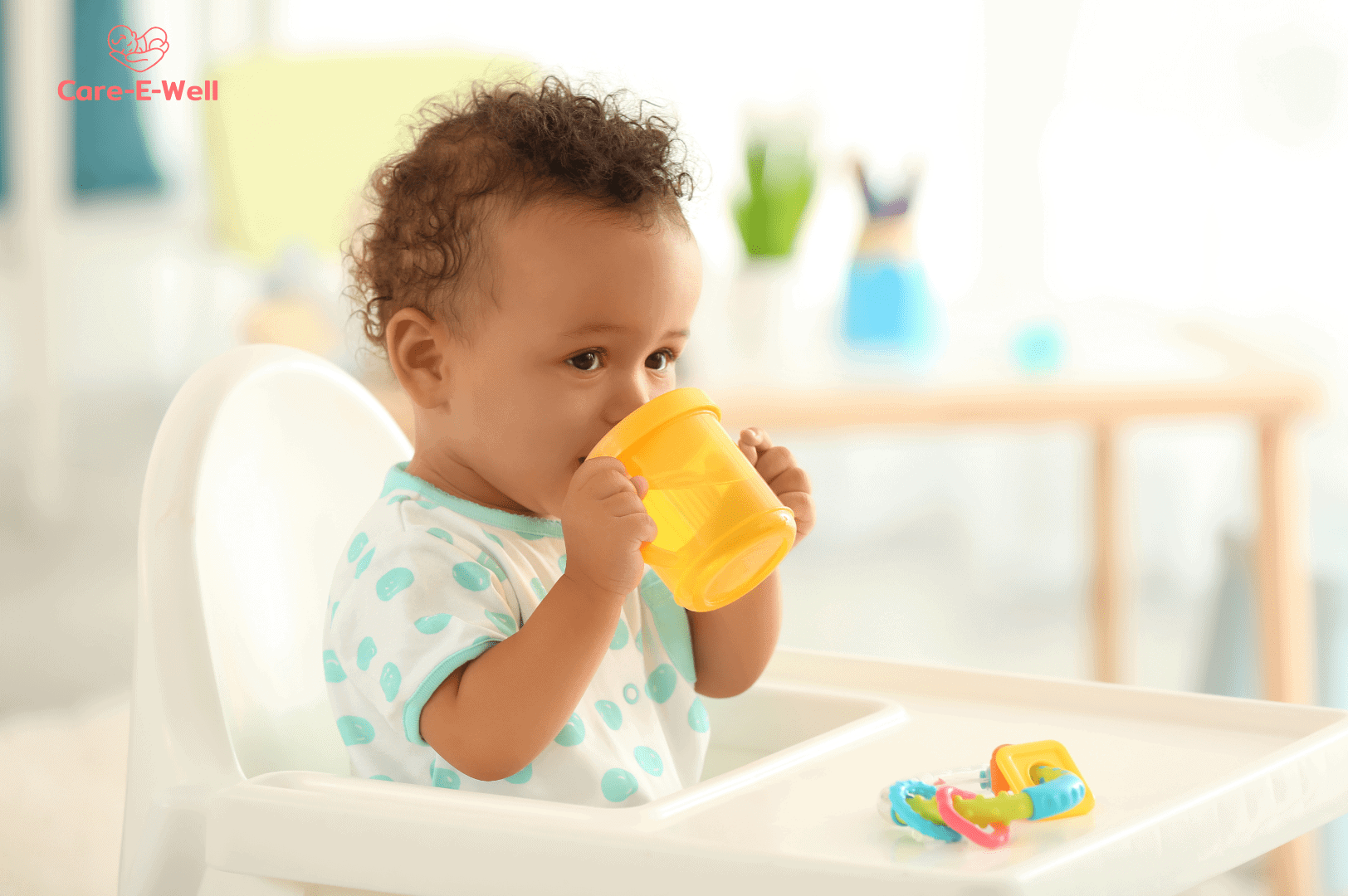
Babies can generally start having small amounts of plain water when complementary feeding begins, around 6 months. Before then, a healthy exclusively breastfed baby does not need extra water, even in hot weather; WHO defines exclusive breastfeeding as breast milk with no other foods or liquids, including water.
Formula-fed babies also obtain water through correctly prepared formula. Extra water should never be used to dilute feeds or replace the nutrition a young infant needs.
Around 6 months, water becomes a complementary drink. It does not replace breast milk or infant formula.
Why is water unnecessary before 6 months for breastfed babies?
Breast milk already contains the fluid a healthy young infant needs. Adding water can displace breast milk and therefore energy and nutrients. In settings where water safety is uncertain, unnecessary water also adds infection risk.
WHO and UNICEF therefore recommend exclusive breastfeeding for the first 6 months, meaning no additional water unless a specific medical situation requires otherwise.

What changes at around 6 months?
Complementary feeding introduces foods and other appropriate liquids alongside milk. Once a baby is eating solids, offering small sips of plain water with meals helps the baby practise drinking from a cup and becomes part of the transition toward a family diet.
Water should be safe and suitable for drinking. A small open cup or age-appropriate cup can be used; there is no nutritional need to introduce juice or sweet drinks instead.
How should water be introduced?
- Start when complementary foods begin and the baby is developmentally ready.
- Offer a small amount of plain water with meals.
- Let the baby practise sipping rather than expecting a full cup.
- Keep normal breast or formula feeds available.
- Increase access gradually as food intake and age increase.
Spilling, mouthing the cup and taking only one or two sips are normal early skills.
What kind of water should a baby have?
Use plain, safe drinking water appropriate for your local setting. Water quality and preparation advice can differ by country, particularly where tap-water safety is uncertain, so follow local public-health guidance rather than copying another country’s routine.
Avoid adding sugar, syrups or flavouring simply to make the baby drink more. Learning to accept plain water is enough, and sweeter drinks can displace milk and nutritious foods.
Can water replace milk after 6 months?
No. Water provides hydration but not the energy, fat, protein, vitamins and minerals supplied by breast milk or infant formula. During the first year, milk remains nutritionally important while complementary foods gradually expand.
If a baby fills up on water and begins taking substantially less milk or food, reduce unnecessary water and review the feeding pattern.
Why is too much plain water a concern?
Large amounts can displace nutrient-rich feeds. Very excessive intake can also disturb normal electrolyte balance, which is why parents should not encourage a young infant to drink large volumes for the sake of meeting an arbitrary target.
The EFSA reference value for water is a total-water concept: water comes from milk, other drinks and foods. It should not be interpreted as a requirement to make a baby drink that entire amount as plain water.
What about hot weather or illness?
Breastfed babies under 6 months should usually breastfeed more frequently rather than receive routine water. After complementary feeding begins, thirst and environmental conditions can influence how much additional fluid a baby wants.
Vomiting, diarrhoea, fever or significant heat exposure can change fluid needs quickly. Ordinary water is not a substitute for medical assessment or oral rehydration treatment when dehydration is a concern.
Seek prompt medical advice if a baby has markedly fewer wet diapers, a very dry mouth, unusual sleepiness, persistent vomiting or diarrhoea, poor drinking or other signs of dehydration.
The key takeaway
Babies can start drinking small amounts of water around 6 months when solids begin. Keep water plain, offer it with meals, and let milk remain the nutritionally important drink during the first year.

Frequently asked questions
Do breastfed babies need water before 6 months in summer?
WHO recommends exclusive breastfeeding for the first 6 months, which includes no routine extra water. More frequent breastfeeding usually meets fluid needs.
Can I put extra water into formula?
No. Prepare formula exactly according to its instructions. Extra dilution changes the nutrient and electrolyte concentration.
Is juice a good way to introduce drinking?
Plain water is the better routine complementary drink; sweet drinks are unnecessary.
Does a baby need to finish a cup of water with every meal?
No. Early water drinking is often only a few sips, and total fluid intake also comes from milk and foods.
Sources/References
- World Health Organization — WHO Guideline for complementary feeding of infants and young children 6–23 months of age
- World Health Organization — Breastfeeding
- World Health Organization — Infant and young child feeding
- UNICEF — Feeding your baby: 6–12 months
- EFSA Panel on Dietetic Products, Nutrition and Allergies — Scientific Opinion on Dietary Reference Values for water
- Chouraqui JP et al. — Total water intake and its contributors in infants and young children
- Lim SX et al. — Food Sources of Energy and Macronutrient Intakes among Infants from 6 to 12 Months of Age
- UNICEF — Feeding your baby: When to start with solid foods
Did this Insight help?
A little love for something worth reading.


