
Care-E-Well Insights
Why Shaking a Baby Is So Dangerous
Learn why shaking a baby can cause serious injury and what caregivers can do safely when crying becomes overwhelming.
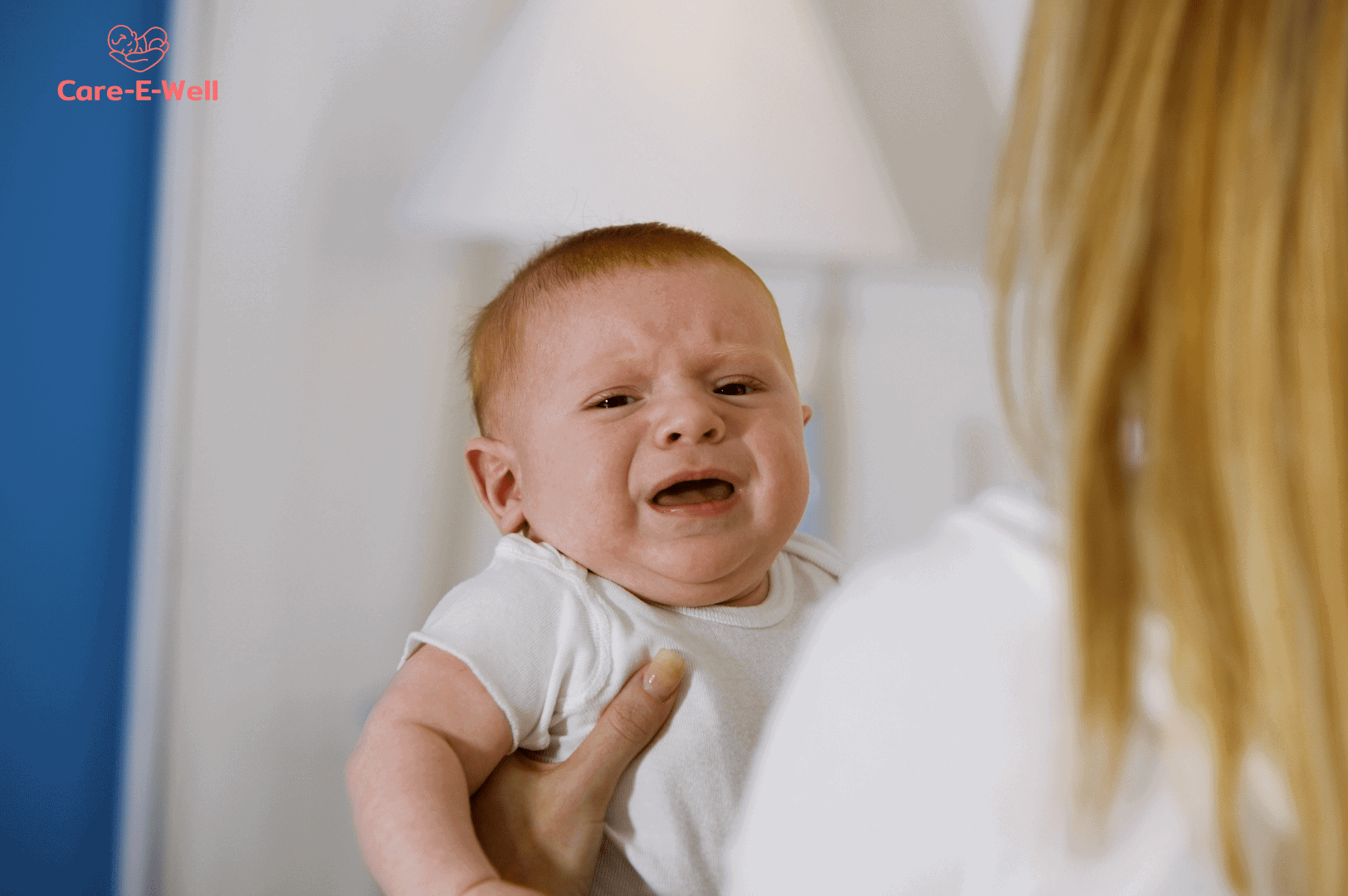
Shaking a baby is dangerous because an infant’s head is proportionally large, the neck is still developing, and rapid back-and-forth movement can place severe forces on the brain, blood vessels, eyes and neck. A baby does not need to hit a wall, floor or other object for violent shaking to cause serious injury.
This type of inflicted injury is usually described as abusive head trauma. It can cause brain bleeding, swelling, retinal injury, neck injury, permanent disability or death. The safest rule is simple: never shake a baby, even for a few seconds and even when crying feels impossible to stop.
Crying can be intense and exhausting, but shaking is never a safe soothing method. If frustration is rising, placing the baby safely down and stepping away briefly is safer than continuing to hold the baby while overwhelmed.
Why is a baby especially vulnerable to shaking?
Young babies have a relatively heavy head compared with the rest of the body, limited head control and developing neck muscles. When an adult shakes a baby violently, the head can rotate and accelerate rapidly while the torso is held or moved in a different way. Those forces can injure delicate structures inside the skull and neck.
Abusive head trauma is broader than the older term “shaken baby syndrome” because inflicted head injury may involve violent shaking, impact or a combination of mechanisms. Researchers and clinicians therefore focus on the injury pattern and the abusive force rather than assuming one exact mechanism in every case.
The important practical message for parents and caregivers does not depend on terminology: ordinary rocking, cuddling and gentle movement are not the same as violent shaking. The danger comes from forceful, rapid acceleration and deceleration of the infant’s head and body.

Why does crying matter so much in prevention?
Infant crying is a normal communication signal, but prolonged or difficult-to-soothe crying can be extremely stressful for caregivers. Research on abusive head trauma repeatedly identifies crying as a common trigger, particularly during the early months when normal crying often becomes more intense before gradually settling.
That does not mean a crying baby is doing anything wrong, or that a caregiver who feels frustrated will become abusive. It means families benefit from having a plan before they reach the point of exhaustion.
- Check basic needs such as feeding, temperature, diaper comfort, tiredness and whether the baby may be unwell.
- Try calm, low-intensity soothing such as holding, walking, skin-to-skin contact when appropriate, quiet voice, sucking or reducing stimulation.
- If nothing works and frustration is escalating, put the baby on a safe sleep surface on their back and step away for a short period.
- Ask another trusted adult to take over when possible.
- Seek professional advice if crying is unusually intense, persistent, associated with illness signs or feels very different from the baby’s normal pattern.
Studies of abusive head trauma prevention programmes show that education can improve caregiver knowledge about normal crying and safe coping strategies. However, evidence that education programmes alone reduce population-level abusive head trauma is mixed. That makes practical coping plans, social support and repeated reinforcement important rather than relying on one leaflet or one conversation.
What should you do if you feel close to losing control?
Put safety ahead of stopping the crying. If the baby has been fed and checked for urgent problems, place them on a firm, flat, safe sleep surface on their back, leave the room briefly and regulate yourself. A short period of crying in a safe place is safer than being held by an adult who feels they may shake, hit or handle the baby roughly.
Call or message someone who can take over. If you are alone, reduce stimulation, drink water, slow your breathing, and return only when you feel physically able to handle the baby gently.
If you think you may hurt the baby, do not keep holding them. Place the baby safely down and get immediate help from another trusted adult or an urgent professional service.
What if someone has already shaken a baby?
Treat this as a medical emergency. A baby can have serious internal injury even when there is no obvious bruise or external wound, and early symptoms may be non-specific.
Concerning signs can include unusual sleepiness, reduced responsiveness, breathing difficulty, repeated vomiting, seizures or unusual movements, poor feeding, a weak or abnormal cry, marked irritability, loss of consciousness or a sudden change in behaviour.
If a baby has been violently shaken or you suspect abusive head trauma, seek emergency medical assessment immediately. Do not wait for symptoms to appear and do not shake the baby again in an attempt to make them respond.
Is bouncing or ordinary play the same as shaking?
No. Normal caregiving movements such as gently rocking a baby, walking while holding them, careful bouncing on an adult’s knee or moving through everyday handling are not equivalent to violent shaking. Parents do not need to avoid all movement.
The distinction is force and loss of control. Safe movement supports the head and body appropriately for the baby’s developmental stage and remains gentle enough that the head is not whipping rapidly backward and forward.
How can families reduce the risk before a difficult night happens?
Prevention works best when every caregiver knows the same rule and the same escape plan. Grandparents, babysitters, partners and anyone caring for the baby should be told directly that shaking is dangerous and that it is acceptable to place a crying baby safely down for a short period when overwhelmed.
- Agree where the baby can be placed safely if a caregiver needs a break.
- Decide who can be called for relief, including during evenings or nights.
- Explain that crying may continue despite appropriate soothing.
- Make clear that no caregiver is expected to “make” the baby stop crying at any cost.
- Repeat the no-shaking rule when a new caregiver starts, rather than assuming they already know it.
This approach reduces the pressure to achieve immediate silence. The goal during a hard crying episode is safe, responsive care—not perfect soothing.

Can persistent crying mean something is medically wrong?
Sometimes. Most infant crying is part of normal development, but a baby who is difficult to console should still be assessed in context. Seek medical advice when crying is accompanied by fever, breathing difficulty, repeated forceful vomiting, poor feeding, fewer wet diapers, lethargy, swelling, injury, abnormal movements, a weak cry or a clear change from the baby’s usual behaviour.
Very young babies, premature babies and babies with medical conditions may need a lower threshold for professional assessment. When parents feel that something is wrong, that observation also deserves attention.
The key takeaway
Shaking is dangerous because a baby’s developing head, brain and neck cannot safely tolerate violent acceleration and deceleration. Difficult crying is common, and sometimes nothing stops it immediately. Safe caregiving means knowing when to stop trying, put the baby safely down, get support and return when calm enough to handle them gently.
Frequently asked questions
Can shaking a baby for only a few seconds cause harm?
Yes. There is no safe amount of violent shaking. Injury depends on the forces involved, and serious damage can occur without obvious external trauma.
What is the safest thing to do when I cannot stop the crying?
If urgent needs have been checked, place the baby on a safe sleep surface on their back, step away briefly and ask another trusted adult for help if possible.
Is gentle rocking safe?
Gentle, controlled rocking and ordinary handling are different from violent shaking. Keep movement smooth and support the baby appropriately for their age and head control.
Should a baby be checked if shaking happened but they look normal?
Yes. A baby who has been violently shaken needs urgent medical assessment because serious injury may not be visible immediately.
Sources/References
- Barr RG — Preventing abusive head trauma resulting from a failure of normal interaction between infants and their caregivers
- Allen KA — The Neonatal Nurse's Role in Preventing Abusive Head Trauma
- Lopes NRL, Williams LCA — Pediatric Abusive Head Trauma Prevention Initiatives: A Literature Review
- Altman RL et al. — Parent Education by Maternity Nurses and Prevention of Abusive Head Trauma
- Arneitz C et al. — Abusive head trauma and crying infant–Public awareness of newborn and infant trauma
- Guinness F et al. — Preventing abusive head trauma: what do frontline healthcare workers know about normal infant crying?
- Carollo A et al. — A Scientometric Review of Infant Cry and Caregiver Responsiveness: Literature Trends and Research Gaps over 60 Years of Developmental Study
- Goethals L et al. — Characteristics and Popularity of Videos of Abusive Head Trauma Prevention: Systematic Appraisal
- Schwab-Reese LM et al. — Evaluation of Period of PURPLE Crying, an Abusive Head Trauma Prevention Program
- Möller EL et al. — Infant crying and the calming response: Parental versus mechanical soothing using swaddling, sound, and movement
Did this Insight help?
A little love for something worth reading.


